
Table of Contents
- What Defines Luxury Packaging
- Materials and Finishing Techniques Used
- 1. Cosmetics and Fragrance
- 2. Fashion and Leather Goods
- 3. Premium Alcoholic Drinks
- 4. Watches and Jewelry
- 5. Gourmet Food and Confectionery
- 6. Electronics and High-End Goods
- 7. Tobacco
- Strategic Value of Custom Luxury Packaging
- FAQ
In today’s premium markets, packaging is no longer a secondary element—it is part of the product itself. Luxury packaging does more than protect a product.
It supports communicating the brand narrative. It also elevates perceived worth and influences the customer journey. When you carry it out effectively, it creates buzz and anticipation even before you reveal the product.
At its core, three factors define luxury packaging: material quality, structural integrity, and finishing precision. It communicates exclusivity, craftsmanship, and attention to detail. Unlike standard packaging, it often prioritizes tactile experience, visual depth, and long-term usability.
Custom luxury packaging plays a critical role in helping brands differentiate themselves in saturated markets. By tailoring structure, materials, and finishes to specific brand identities, companies can create packaging that is instantly recognizable and difficult to replicate.
What Defines Luxury Packaging
Luxury packaging is not determined by cost alone. Its effectiveness depends on how well it aligns with brand positioning and customer expectations.
Typical characteristics include:
- Rigid construction using high-density greyboard
- Layered materials, such as specialty paper, fabric, or leather wraps
- Precision finishing, including foil stamping, embossing, and soft-touch coatings
- Refined opening mechanisms, such as magnetic closures or drawer systems
Weight and texture are particularly important. A well-balanced box with a smooth surface and clean edges creates a strong first impression. In many cases, customers keep the packaging, extending brand exposure beyond the initial purchase.
Materials and Finishing Techniques Used
The effectiveness of luxury packaging depends heavily on material selection and finishing processes.
Common materials:
- Greyboard for structure and durability
- Coated or uncoated specialty paper for surface wrapping
- PU leather, velvet, or suede for premium tactile effects
- Molded pulp for sustainable luxury positioning
Key finishing techniques:
- Hot foil stamping for metallic branding
- Embossing and debossing for depth and texture
- Spot UV for contrast and highlight
- Soft-touch lamination for a refined feel
These elements must be carefully balanced. Overuse of finishes can reduce clarity and increase cost without improving perception. The most effective designs rely on controlled, deliberate application.
1. Cosmetics and Fragrance
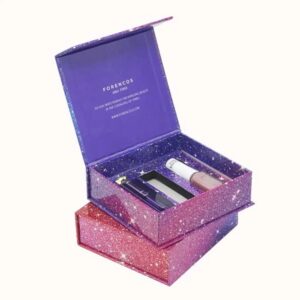
In cosmetics and fragrance, packaging often defines the product before it is tested. Luxury packaging enhances perceived quality and justifies higher price points.
- Rigid boxes with magnetic closures are widely used for perfumes
- Soft-touch finishes and foil accents reinforce premium positioning
- Custom inserts protect glass bottles and improve presentation
For fragrance products, unboxing is part of the experience. The opening sequence, interior layout, and material contrast all contribute to brand storytelling.
2. Fashion and Leather Goods
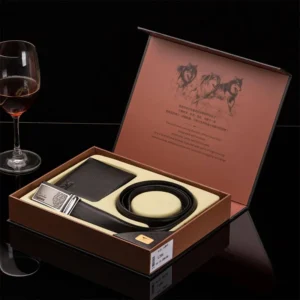
Luxury fashion brands rely heavily on packaging consistency to maintain brand identity.
- Drawer-style boxes and rigid cartons are commonly used for accessories
- Fabric linings or dust bags add functional value
- Minimalist design with precise logo placement reinforces brand recognition
Packaging in this sector must align with brand aesthetics—often understated but highly controlled. Even small inconsistencies in color or finish can affect perception.
3. Premium Alcoholic Drinks
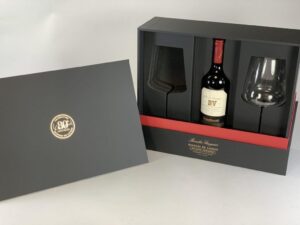
Packaging for premium spirits and wines must balance protection, branding, and regulatory requirements.
- Thick rigid boxes or wooden cases are often used for high-end bottles
- Internal supports prevent movement and breakage
- Foil stamping and embossing emphasize heritage and craftsmanship
In gifting scenarios, packaging becomes part of the purchase decision. Limited editions and collector packaging are common strategies to increase perceived value.
4. Watches and Jewelry
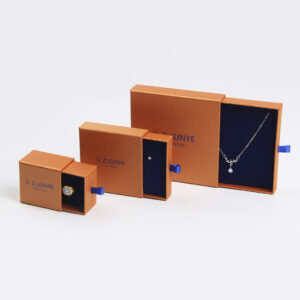
In this category, packaging is almost inseparable from the product.
- High-density rigid boxes with velvet or suede interiors are standard
- Precision inserts hold items securely and present them at optimal angles
- Hinged or magnetic structures enhance usability and durability
Luxury packaging in this sector often becomes a long-term storage solution, reinforcing brand presence over time.
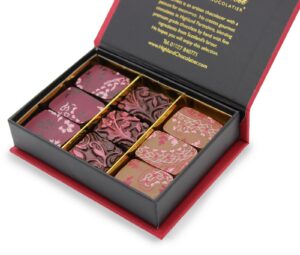
5. Gourmet Food and Confectionery
Premium food products rely on packaging to communicate quality, origin, and freshness.
- People often use rigid gift boxes with divided inserts.
- Window elements may be incorporated to showcase products
- Food-safe coatings and materials are essential
Seasonal packaging plays a major role in this sector. Limited-edition designs for holidays or special events can significantly increase sales.
6. Electronics and High-End Goods
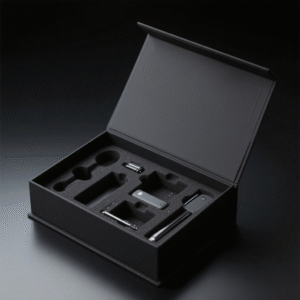
In electronics, packaging must combine precision engineering with visual appeal.
- Multi-layer structures protect sensitive components
- Custom inserts ensure accurate positioning
- Clean, minimal exterior design reflects technological sophistication
Unboxing experience is particularly important in this category. Smooth opening mechanisms and well-organized interiors contribute to perceived product quality.
7. Tobacco
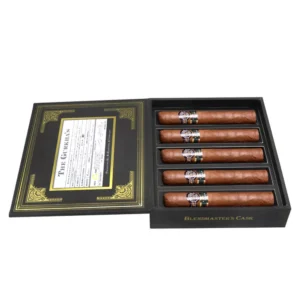
Tobacco products, particularly in premium segments, rely heavily on packaging for differentiation.
- Rigid boxes or specialty cartons are used for cigars and high-end products
- Humidity-resistant materials may be required
- Decorative finishes and embossing emphasize heritage and exclusivity
However, packaging in this industry must also comply with strict regulatory requirements, including health warnings and labeling standards.
Strategic Value of Custom Luxury Packaging
Across seven industries, custom luxury packaging plays a consistent role. It boosts perceived value, supports brand positioning, and improves customer experience.
Brands that invest in structured, well-designed packaging benefit from:
- Stronger shelf impact
- Higher perceived product quality
- Increased customer retention
- Better performance in gifting and e-commerce channels
Luxury packaging is not just about appearance. It creates a cohesive experience from first sight to opening and use.
FAQ
Luxury packaging means high-end packaging that uses premium materials, refined designs, and advanced finishes.
It helps increase product value and improve brand perception.
It helps set products apart, justify higher pricing, and create memorable customer experiences, especially in competitive markets.
Manufacturers widely use greyboard, specialty paper, PU leather, velvet, and sustainable molded pulp for both structure and aesthetics.
Yes. Even small brands can adopt simplified luxury packaging strategies by focusing on key elements such as structure and finishing.
A well-designed unboxing experience enhances customer satisfaction and increases the likelihood of repeat purchases.
Yes. Many brands now use FSC-certified paper, recyclable materials, and eco-friendly coatings to balance sustainability with premium quality.
Industries like cosmetics, fashion, premium beverages, jewelry, gourmet food, electronics, and tobacco are most affected. They depend heavily on brand perception.