
What Are Art Paper and Coated Paper?
Art paper and coated paper are commonly used paper materials in printed packaging, defined by a surface coating that enhances smoothness, ink control, and color reproduction.
In packaging applications, these papers are mainly used for visual presentation and printed surfaces, rather than for structural strength. They are typically laminated onto paperboard or corrugated materials to create finished packaging products.
Understanding the difference between art paper and coated paper is essential for selecting the right material based on print quality, cost, and production requirements.
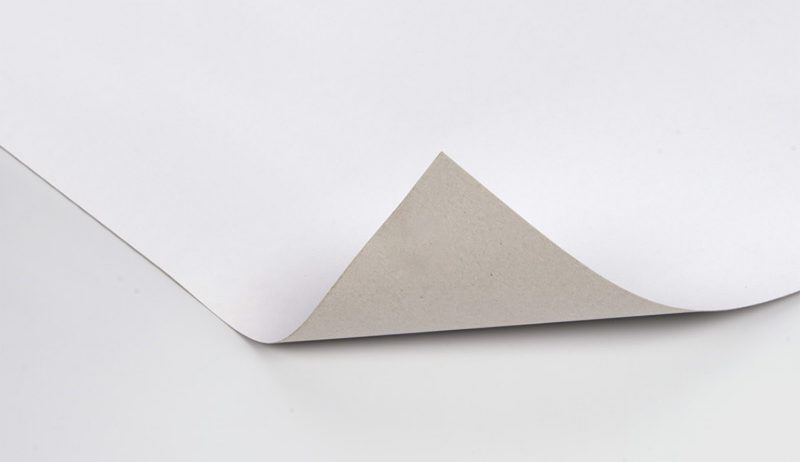
What Is Art Paper?
Art paper is a type of high-quality coated paper with a smooth, refined surface, available in gloss or matte finishes. It is designed to deliver superior color saturation and image clarity.
In packaging manufacturing, art paper is commonly used as:
- The outer wrapping layer of rigid boxes
- A laminated surface on corrugated packaging
- A decorative layer for premium retail boxes
Art paper is selected for aesthetic performance, not for load-bearing or protective functions.
What Is Coated Paper?
Coated paper is a broader category of paper materials treated with a coating layer composed of pigments and binders to improve printing performance.
In practical packaging usage, coated paper:
- Offers consistent ink absorption
- Supports stable offset and digital printing
- Is available in multiple grades and finishes
Coated paper is widely used for:
- Folding cartons
- Color boxes
- Product sleeves
- Printed inserts and wraps
While art paper is technically a subset of coated paper, the two are often distinguished in packaging by quality level and intended application.
Art Paper vs Coated Paper: Key Differences
| Aspect | Art Paper | Coated Paper |
|---|---|---|
| Surface finish | Very smooth, premium | Smooth, varies by grade |
| Print quality | High-end color accuracy | Commercial-grade consistency |
| Cost | Higher | Medium to low |
| Typical use | Luxury packaging | Mass-market packaging |
| Structural role | Decorative only | Decorative only |
Summary:
Art paper is preferred for premium branding and visual impact, while coated paper is chosen for cost efficiency and scalable production.
Common Grammages Used in Packaging
Typical paper weights used in packaging production include:
- 128–157 gsm: Standard folding cartons and color boxes
- 157–200 gsm: Higher-end retail packaging
- 200–250 gsm: Rigid box wrapping and luxury packaging surfaces
Increasing grammage improves surface stiffness and feel but does not replace structural materials such as grey board or corrugated board.
Printing and Finishing Compatibility
Both art paper and coated paper are compatible with common packaging finishing processes, including:
- Gloss or matte lamination
- Hot foil stamping
- Embossing and debossing
- UV coating and spot UV
- Die cutting and mounting
Their predictable behavior during printing and finishing makes them suitable for mass production environments.
How to Choose Between Art Paper and Coated Paper
Choose art paper when:
- High-end visual presentation is required
- Color accuracy and detail are critical
- Packaging is positioned as premium or luxury
Choose coated paper when:
- Cost control is a priority
- Large production volumes are involved
- Stable and consistent printing is sufficient
In many packaging projects, the two materials are interchangeable depending on supplier standards and quality expectations.
Common Misunderstandings
- Art paper is not cardboard or paperboard
- Coated paper does not provide structural protection
- Higher paper weight does not equal stronger packaging
These materials serve decorative and printing functions, not protective ones.
Frequently Asked Questions
Is art paper recyclable?
Yes. Art paper is recyclable, though coatings may slightly affect recycling efficiency depending on local facilities.
Can coated paper be used for food packaging?
Only when combined with approved food-safe liners or barrier materials.
Is art paper waterproof?
No. Coatings improve surface resistance but do not make the paper waterproof.
Why Trust This Guide
This guide is based on practical packaging manufacturing experience, focusing on material behavior in real production environments.
It reflects how art paper and coated paper are actually selected, printed, and finished in industrial packaging projects.