
What Are Offset Printing and Flexographic Printing?
Offset printing and flexographic printing are the two most widely used printing technologies in industrial packaging production.
Offset printing is known for high image accuracy and color consistency, while flexographic printing is valued for speed, scalability, and material adaptability.
Both processes serve different roles depending on packaging structure, production volume, and cost requirements.
Understanding the differences between these two printing methods helps brands and buyers select the most suitable solution for mass packaging manufacturing.
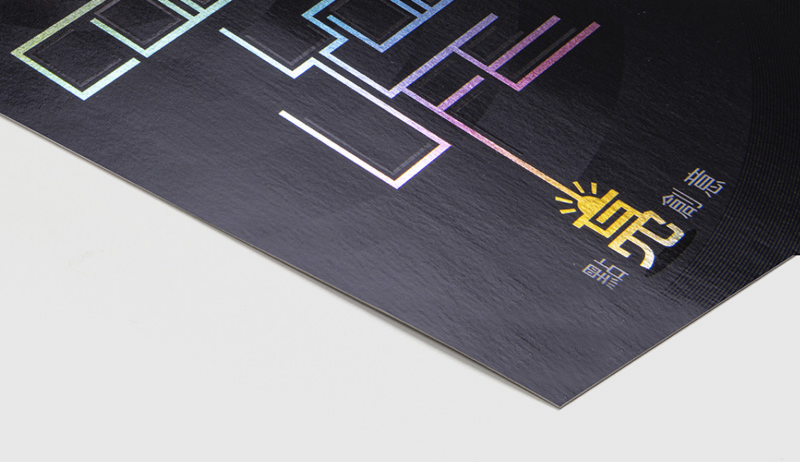
What Is Offset Printing?
Offset printing is a printing process in which ink is transferred from a metal plate to a rubber blanket and then onto the printing surface.
Key Characteristics of Offset Printing
- High image resolution and sharp details
- Excellent color reproduction
- Stable quality for long production runs
- Best suited for flat, smooth substrates
In packaging, offset printing is commonly used for:
- Folding cartons
- Rigid box outer wraps
- High-end retail packaging
- Cosmetic, electronics, and luxury packaging
From a manufacturing perspective, offset printing is chosen when visual quality and brand presentation are top priorities.
What Is Flexographic Printing?
Flexographic printing is a rotary printing process that uses flexible relief plates and fast-drying inks.
Key Characteristics of Flexographic Printing
- High-speed continuous printing
- Suitable for roll-to-roll production
- Works on a wide range of materials
- Lower cost per unit at high volumes
Flexographic printing is widely used for:
- Corrugated boxes
- Shipping cartons
- Flexible packaging
- Labels and paper bags
Flexo printing is optimized for large-scale, cost-efficient production, especially in logistics and transport packaging.
Offset Printing vs Flexographic Printing
| Aspect | Offset Printing | Flexographic Printing |
|---|---|---|
| Print quality | Very high, detailed | Moderate to good |
| Color accuracy | Excellent | Good, improves with calibration |
| Production speed | Medium | Very high |
| Best substrates | Paperboard, art paper | Corrugated, kraft, films |
| Setup cost | Higher | Lower |
| Unit cost | Lower at mid volumes | Lowest at large volumes |
| Typical use | Retail & premium packaging | Shipping & bulk packaging |
Summary:
Offset printing focuses on appearance, while flexographic printing focuses on efficiency and scalability.
Materials Compatibility
Offset Printing Works Best With:
- Art paper
- Coated paper
- White paperboard
- Laminated paper surfaces
Flexographic Printing Works Best With:
- Corrugated board
- Kraft paper
- Linerboard
- Flexible films
Material choice directly affects print clarity, ink absorption, and overall production stability.
Production Volume Considerations
- Offset printing is cost-effective for medium to large batches where quality matters.
- Flexographic printing excels in very large-volume orders with repetitive designs.
For packaging factories, flexographic printing is often integrated directly into corrugator or converting lines, reducing handling and turnaround time.
Environmental and Ink Considerations
- Offset printing typically uses oil-based inks but increasingly adopts low-VOC solutions.
- Flexographic printing commonly uses water-based or UV inks, making it more environmentally adaptable for large-scale packaging.
Ink selection is influenced by:
- Substrate type
- Regulatory requirements
- End-use environment
How to Choose the Right Printing Method
Choose offset printing when:
- Packaging is retail-facing
- Brand image and color accuracy are critical
- Premium visual quality is required
Choose flexographic printing when:
- Packaging is used for logistics or transport
- Production volume is high
- Cost efficiency is a priority
In many packaging projects, both methods coexist within the same supply chain.
Common Misunderstandings
- Offset printing is not suitable for corrugated board without mounting
- Flexographic printing quality depends heavily on plate quality and setup
- Higher resolution does not always equal better packaging performance
Correct process selection prevents unnecessary costs and production issues.
Frequently Asked Questions
Is offset printing better than flexographic printing?
Neither is universally better. Each serves different packaging needs.
Can flexographic printing be used for retail packaging?
Yes, but mainly for simple designs or large-volume products.
Which printing method is more cost-effective?
Flexographic printing is generally more economical for large runs, while offset printing suits smaller or premium batches.
Why Trust This Guide
This guide is written from an industrial packaging manufacturing perspective, reflecting real-world printing choices made in mass production environments.
It focuses on practical differences rather than theoretical comparisons.