
In the cosmetics industry, packaging is no longer a secondary consideration. It directly influences how a product is perceived, priced, and remembered. Whether displayed on a retail shelf or delivered through e-commerce, packaging shapes the customer’s first interaction with the brand. Well-executed Custom Cosmetic Packaging does more than protect—it communicates quality, positioning, and intent.
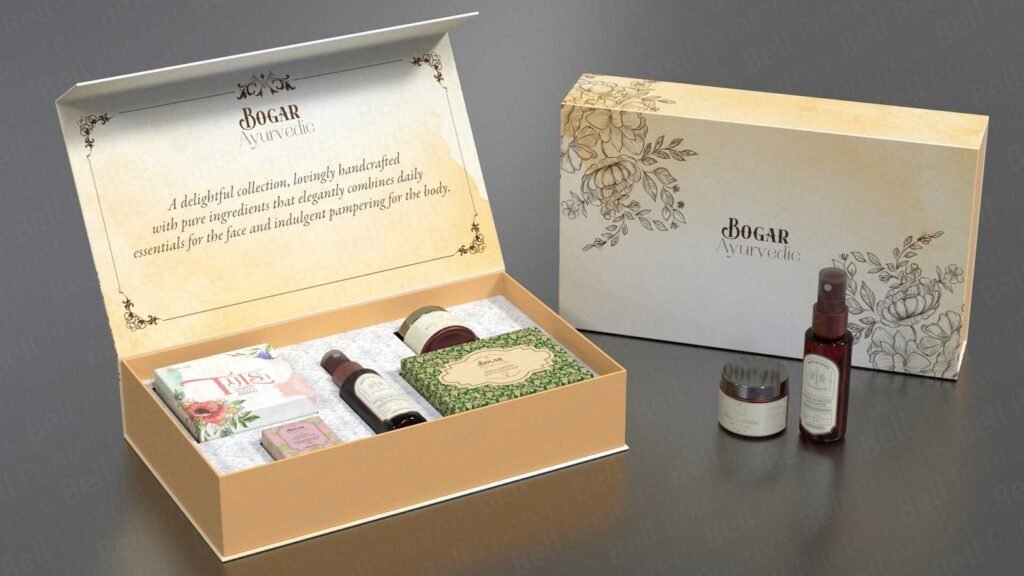
Packaging Structure in Cosmetic Packaging Design
Structure is the foundation of any effective packaging solution. It determines not only how the product is protected, but also how it is experienced.
- Folding cartons remain the most widely used format in cosmetic packaging boxes. They are cost-efficient, scalable, and suitable for high-volume production.
- Rigid boxes are typically reserved for premium skincare, fragrance, or gift sets. Their weight and durability immediately signal higher value.
- Drawer-style and book-style boxes are often used for PR kits or multi-product sets, where presentation and unboxing experience matter.
In practice, structure selection should align with pricing strategy. A $10 product packaged in a rigid box creates unnecessary cost pressure, while a $100 serum in a basic carton may struggle to justify its price.
In several skincare projects, switching from rigid boxes to reinforced folding cartons reduced packaging costs by over 30% without affecting shelf impact. The key lies in structural optimization rather than defaulting to expensive formats.
Material Choices for Cosmetic Packaging Boxes
Material selection is where many brands either reinforce their positioning or unintentionally weaken it.
- SBS paperboard is widely used for its smooth surface and print consistency, making it ideal for high-quality graphics.
- Kraft paper is often chosen for eco-conscious branding, though it requires careful design to maintain a premium look.
- Greyboard with specialty paper wrapping is the standard for rigid packaging, offering both strength and a luxury feel.
Sustainability is now a baseline expectation in many markets. However, material selection must consider product compatibility. Skincare products, especially those containing oils or active ingredients, may require coatings that provide resistance to moisture and leakage.
Balancing sustainability with performance is critical. A package that looks environmentally friendly but fails during transportation can damage both product and brand reputation.
Printing and Finishing in Beauty Packaging
Printing and finishing are what transform packaging from functional to desirable. In beauty packaging, small details often define the difference between “standard” and “premium.”
Common techniques include:
- Foil stamping for metallic accents
- Embossing or debossing for tactile branding
- UV coating to highlight key elements
- Soft-touch lamination for a refined, smooth surface
The most effective designs typically rely on restraint. One or two well-executed finishing techniques create stronger visual impact than layering multiple effects.
Consistency is equally important. Color variation across batches can weaken brand identity, especially for established cosmetic lines. Maintaining strict print standards and working with experienced suppliers helps ensure uniformity.
Insert Design and Product Protection
Inside the packaging, functionality becomes the priority. Cosmetic products—particularly glass bottles, droppers, and pumps—require secure internal support.
Common insert options include:
- EVA foam for high-end protection
- Molded pulp inserts for sustainable packaging
- Plastic or blister trays for precise positioning
For e-commerce brands, packaging must withstand transportation stress. Drop testing and structural reinforcement are essential to reduce damage rates and returns.
Customization Strategy in Cosmetic Packaging Development
Customization does not always mean starting from zero. In many cases, adapting existing structures is more efficient and cost-effective.
Full customization is typically justified when:
- Launching a flagship product
- Entering premium or luxury segments
- Establishing a strong brand identity
Partial customization works well for:
- Expanding product lines
- Seasonal packaging updates
- Managing cost-sensitive SKUs
For brands working with experienced manufacturers, early-stage packaging planning can significantly reduce long-term costs and avoid repeated redesign cycles. A reliable supplier contributes not only production capability, but also structural optimization and material guidance based on the target market.
MOQ, Cost Drivers, and Scalable Packaging Systems
Understanding cost structure is essential for long-term growth. The primary factors influencing packaging cost include:
- Order quantity
- Material type and thickness
- Printing and finishing complexity
Minimum order quantities can be challenging for emerging brands. A practical approach is to design packaging systems that can be reused across multiple products.
For example, a standardized box size combined with interchangeable inserts allows brands to support multiple SKUs while controlling tooling and inventory costs.
As production volume increases, unit costs decrease—particularly for rigid packaging and specialty finishes. Planning for scalability early helps avoid unnecessary redesign and cost spikes later.
Brand Consistency Across Skincare and Makeup Packaging Lines
As cosmetic brands expand, maintaining consistency across different product categories becomes more complex.
Inconsistent packaging—caused by multiple suppliers or uncontrolled print variations—can weaken brand recognition. To avoid this:
- Establish clear packaging guidelines
- Standardize materials and finishes
- Maintain physical samples for reference
Consistency allows customers to recognize a brand instantly, whether online or in-store. Over time, this recognition reduces reliance on additional marketing.
The Strategic Value of Custom Cosmetic Packaging
At a certain stage of brand development, packaging shifts from being a cost center to a value driver. Well-designed Custom Cosmetic Packaging supports higher pricing, improves perceived quality, and enhances customer experience.
Consumers often associate packaging quality with product effectiveness. This is particularly true in skincare and fragrance categories, where differentiation is subtle and perception plays a major role in purchasing decisions.
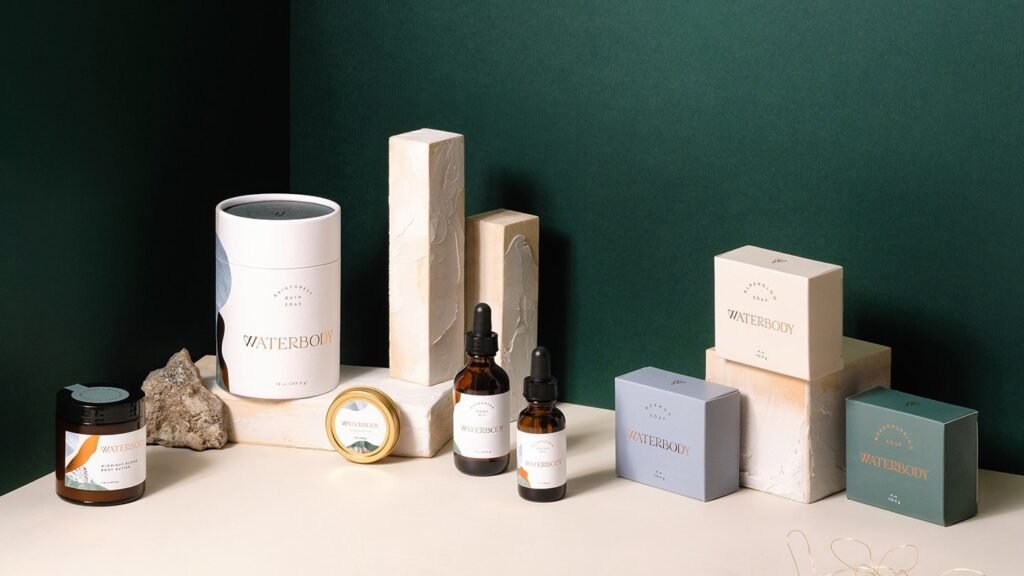
Packaging for E-commerce and Modern Distribution
The growth of online sales has changed packaging priorities. Beyond aesthetics, packaging must now address logistics efficiency.
- Lightweight structures reduce shipping costs
- Compact designs improve storage and fulfillment
- Durable construction minimizes damage during transit
At the same time, unboxing experience has become part of brand marketing. Packaging must perform both functionally and visually, especially in a social media-driven environment.
Long-Term Packaging Strategy and Brand Growth
As brands scale, packaging decisions should align with long-term positioning rather than short-term cost reduction.
Investing in consistent structures, materials, and finishes builds a recognizable identity that customers trust. Over time, this consistency reduces marketing pressure, as packaging itself becomes a communication tool.
For brands aiming to scale in competitive markets, packaging decisions made early often determine how the product is perceived later. At that point, Custom Cosmetic Packaging is no longer just a manufacturing output—it becomes an integral part of brand strategy.