
In the jewelry industry, packaging is inseparable from product value. Customers don’t evaluate a piece of jewelry in isolation—they judge it together with how it is presented, protected, and revealed. Well-executed custom jewelry packaging not only safeguards delicate items but also reinforces brand positioning, especially in premium and gift-driven markets.
After years of working with jewelry brands across different price segments, one consistent pattern stands out: packaging decisions made early often determine how a product is perceived later. The following five areas are where packaging either adds measurable value—or quietly erodes it.
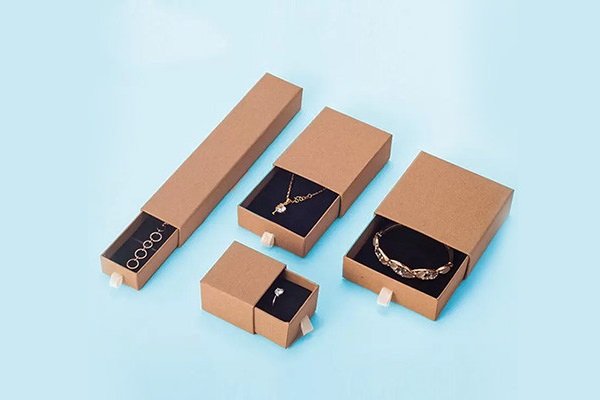
1. Structure Should Reflect Price Positioning
Jewelry packaging is highly sensitive to perceived value. A mismatch between packaging structure and product price is one of the most common—and costly—mistakes.
- Rigid lid-and-base boxes remain the standard for mid-to-high-end jewelry. They provide weight, durability, and a sense of occasion.
- Hinged boxes with magnetic closures are often used for premium collections and gifting scenarios.
- Drawer-style boxes are effective for sets or layered jewelry, offering both functionality and presentation.
For lower price points, simplified rigid structures or reinforced cartons may be sufficient, but they must still feel intentional. A lightweight or poorly constructed box can undermine even a well-crafted piece.
According to the International Gem Society (IGS), presentation plays a significant role in perceived value in jewelry retail, especially for gift purchases where packaging becomes part of the product experience.
2. Material Selection Balances Protection and Brand Image
Jewelry is small, but highly sensitive to scratches, pressure, and environmental factors. Material selection must therefore address both protection and aesthetics.
Common materials include:
- Greyboard with wrapped paper: Provides rigidity and a premium feel, widely used in custom jewelry boxes
- Velvet or suede linings: Protect surfaces and enhance tactile experience
- PU leather or specialty papers: Used for luxury positioning and durability
Sustainability is becoming increasingly relevant, especially in European and North American markets. However, switching to eco-friendly materials requires careful evaluation. Some recycled papers may lack the surface smoothness required for high-end finishes, while certain biodegradable materials may not offer sufficient durability.
The Forest Stewardship Council (FSC) emphasizes that responsibly sourced paper materials can support both environmental goals and product integrity when properly selected.
3. Interior Design Is Critical for Protection and Presentation
The inside of the box often matters more than the outside when it comes to jewelry.
A well-designed insert must:
- Hold the product securely in place
- Prevent movement during transport
- Present the item at an optimal angle when opened
Typical insert solutions include:
- Foam inserts with fabric wrapping for rings and earrings
- Card slots or hooks for necklaces and chains
- Custom-molded inserts for irregular or multi-piece items
Poor insert design leads to product shifting, tangling, or surface damage—all of which directly impact customer satisfaction.
According to guidelines from the Packaging Machinery Manufacturers Institute (PMMI), protective packaging design significantly reduces product damage rates in transit, particularly for small, high-value goods.
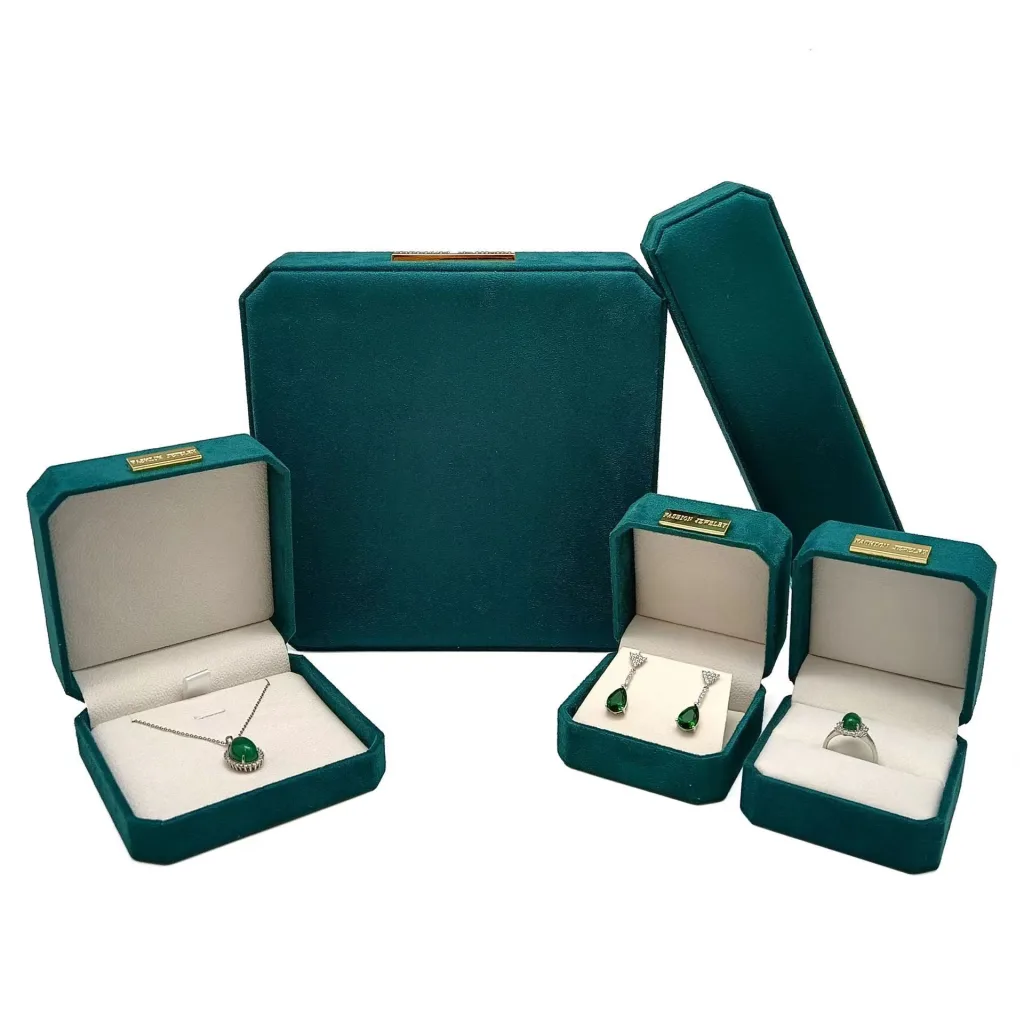
4. Finishing Techniques Define Perceived Quality
In jewelry packaging, finishing is often the most visible indicator of quality.
Common techniques include:
- Foil stamping for logos and branding
- Embossing or debossing for subtle texture
- Soft-touch lamination for a smooth, premium feel
- Spot UV for highlighting specific design elements
The key is restraint. Overuse of finishes can create visual clutter and increase production costs without improving perception.
Color consistency is another critical factor. Jewelry brands often rely on signature colors, and even slight deviations across batches can weaken brand identity. Maintaining strict color control through standardized printing processes is essential.
The Pantone Matching System (PMS) is widely used in packaging production to ensure color consistency across different manufacturing runs.
5. Packaging Must Adapt to E-commerce and Logistics
With the growth of online jewelry sales, packaging must now perform beyond retail display. It must protect the product through shipping while maintaining an appealing unboxing experience.
Key considerations include:
- Compression resistance to withstand stacking during transit
- Compact sizing to reduce shipping costs
- Secondary protective layers, such as mailer boxes or cushioning
At the same time, unboxing has become part of the customer journey. Packaging that opens smoothly, reveals the product clearly, and feels intentional contributes to customer satisfaction and brand recall.
Research from McKinsey & Company highlights that packaging plays a growing role in customer experience, particularly in e-commerce environments where physical interaction is limited.
Strategic Perspective on Jewelry Packaging
At scale, packaging decisions should be treated as part of brand strategy rather than isolated production tasks. Well-designed custom jewelry packaging supports pricing, strengthens brand identity, and reduces operational risks such as damage and returns.
As brands grow, consistency becomes increasingly important. Standardizing structures, materials, and finishes across product lines helps maintain recognition and simplifies production.
In premium segments, especially, luxury jewelry packaging is not just a container—it becomes part of the product’s perceived value and gifting appeal. Customers often keep the box long after the purchase, extending brand exposure over time.
For manufacturers and brands working together, early collaboration on structure, materials, and logistics can prevent costly redesigns and ensure scalability. When approached correctly, custom jewelry boxes become a long-term asset rather than a recurring cost.