
Table of Contents
Paperboard packaging has become one of the most widely used solutions across retail, food, cosmetics, electronics, and luxury products. Compared with other packaging materials, paperboard offers an excellent balance of print quality, structural flexibility, sustainability, and production efficiency.
For businesses looking to improve product presentation while maintaining practical protection, choosing the right paperboard box structure is critical. Different box types serve different purposes, and selecting the wrong structure can affect product safety, shipping efficiency, and even customer perception.
According to the Paper and Packaging Board, paper-based packaging continues to grow globally due to rising demand for recyclable and sustainable packaging materials. The paper packaging market is projected to maintain strong growth over the next decade, especially in e-commerce and premium retail sectors.
This guide explains five of the most widely used paperboard box types and where they work best in real packaging applications.
1. Folding Carton Boxes
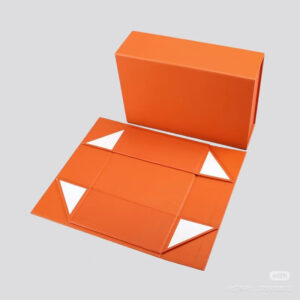
Folding cartons are the most commonly used paperboard packaging structure in retail packaging.
They are manufactured from paperboard sheets that are printed, die-cut, folded, and glued into finished box structures. Because they ship flat before assembly, they are highly efficient for storage and transportation.
Common Applications
- Cosmetics and skincare
- Pharmaceutical packaging
- Food and confectionery
- Electronics accessories
Advantages
- Cost-effective for large production runs
- Excellent printability
- Lightweight and easy to assemble
- Suitable for automated packaging lines
Straight tuck end and reverse tuck end structures are among the most common styles used in folding cartons.
According to the Flexible Packaging Association, paperboard cartons remain one of the most preferred packaging formats for consumer retail products due to their versatility and sustainability advantages.
2. Rigid Boxes
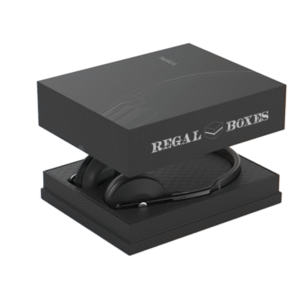
Rigid boxes are premium paperboard packaging structures made from thick greyboard wrapped with printed or specialty paper.
Unlike folding cartons, rigid boxes are pre-assembled and maintain their shape permanently. This gives them a more luxurious appearance and stronger structural performance.
Common Applications
- Jewelry packaging
- Watch boxes
- Luxury cosmetics
- Wine and gift packaging
Advantages
- Premium appearance and feel
- High structural strength
- Excellent for luxury branding
- Supports advanced finishing techniques
Rigid boxes are often used for high-value products where unboxing experience matters. Magnetic closure boxes and drawer boxes are common examples within this category.
Industry reports show that the global luxury packaging sector continues to expand due to rising demand for premium retail experiences and gift-oriented packaging.
3. Corrugated Paperboard Boxes
Corrugated boxes are designed primarily for protection and shipping performance.
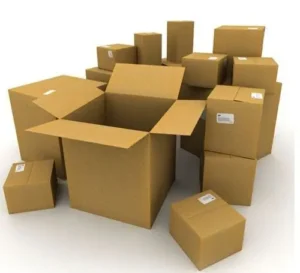
They are made from layered paperboard consisting of:
- Outer liner
- Fluted middle layer
- Inner liner
This structure provides compression resistance and shock absorption.
Common Applications
- E-commerce shipping
- Electronics
- Bulk packaging
- Large retail products
Advantages
- Strong load-bearing capability
- Good cushioning performance
- Lightweight compared with solid materials
- Recyclable and cost-efficient
According to the FEFCO, corrugated packaging is used in the majority of global transport packaging because of its durability and sustainability.
In modern packaging systems, corrugated boxes are often combined with custom inserts for improved protection.
4. Drawer Boxes (Slide Boxes)
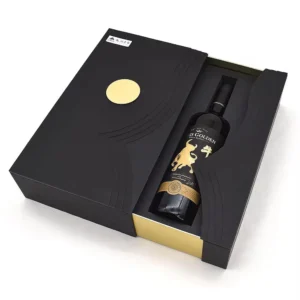
Drawer boxes consist of an outer sleeve and an inner sliding tray. This structure creates a more interactive opening experience and is commonly used for premium packaging.
Common Applications
- Perfume packaging
- Electronics accessories
- Chocolate and confectionery
- Gift packaging
Advantages
- Premium presentation
- Reusable structure
- Good product organization
- Strong branding potential
Drawer boxes are particularly effective for products that benefit from layered presentation or staged unboxing.
In many luxury packaging projects, foam or paper inserts are added inside the tray to secure products during shipping.
5. Mailer Boxes
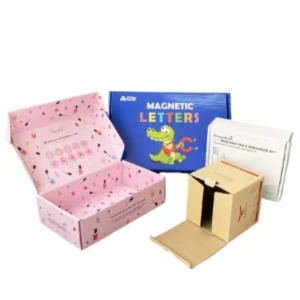
Mailer boxes are self-locking paperboard boxes widely used in e-commerce and subscription packaging.
Most are manufactured using corrugated paperboard for additional durability.
Common Applications
- Subscription boxes
- Apparel packaging
- Cosmetic kits
- Online retail shipping
Advantages
- Secure closure without separate adhesive
- Efficient assembly
- Strong branding surface
- Excellent for shipping and unboxing
E-commerce growth has significantly increased demand for mailer boxes. According to market data from Smithers, e-commerce packaging demand continues to rise as online retail expands globally.
Custom printing inside the box has also become a popular branding technique for mailer packaging.
Key Factors When Choosing a Paperboard Box Type
Choosing the right packaging structure depends on several factors:
Product Weight and Fragility
Heavy or fragile products require stronger structures such as rigid or corrugated boxes.
Retail vs E-commerce
Retail packaging focuses more on shelf appeal, while e-commerce packaging prioritizes shipping durability.
Brand Positioning
Luxury brands often prefer rigid structures, while mass-market products typically use folding cartons.
Budget and Production Volume
Some structures are more cost-efficient at scale, while others are better suited for premium small-batch production.
Sustainability and Paperboard Packaging
Sustainability is one of the biggest reasons businesses are shifting toward paperboard packaging.
Paperboard materials offer:
- Recyclability
- Renewable sourcing
- Lower environmental impact compared with many plastic formats
FSC-certified paper and recyclable coatings are increasingly used across multiple industries.
According to the McKinsey & Company, consumer preference for sustainable packaging continues to rise, influencing both purchasing decisions and brand loyalty.
Final Insight
No single paperboard box type works for every product. The best packaging solution depends on how the product will be displayed, shipped, and experienced by the customer.
Folding cartons remain the most versatile option for retail packaging. Rigid boxes dominate premium applications. Corrugated structures lead in shipping protection. Drawer boxes enhance presentation, while mailer boxes continue to grow alongside e-commerce.
Understanding these differences helps brands choose packaging that balances protection, cost, branding, and customer experience effectively.
FAQ
Paperboard packaging refers to boxes and packaging structures made from thick paper-based materials used for retail, shipping, and premium products.
Paperboard is usually a single solid sheet, while corrugated board contains a fluted middle layer for added strength.
Rigid boxes are typically the best option for luxury products due to their strength and premium appearance.
Yes. Most paperboard packaging materials are recyclable, especially when using water-based coatings and FSC-certified materials.
They provide good shipping protection, easy assembly, and strong branding opportunities.
Cosmetics, food, pharmaceuticals, electronics, and retail industries widely use folding cartons.
Yes. Paperboard offers excellent print quality and supports various finishing techniques including foil stamping and embossing.