
Table of Contents
- What Is a Folding Box?
- What Is a Rigid Box?
- Main Differences Between Rigid Boxes and Folding Boxes
Packaging structure directly affects product protection, presentation, shipping efficiency, and overall customer experience. Among the most widely used paper packaging formats today, rigid boxes and folding boxes are often compared because they serve very different purposes despite both being paper-based solutions.
For brands entering retail, cosmetics, electronics, jewelry, or gift packaging markets, understanding the difference between these structures is important before choosing the right packaging format.
In practical manufacturing terms, the difference comes down to structure, material thickness, production method, storage efficiency, and positioning. While both formats are widely used, they are designed for completely different packaging goals.
What Is a Folding Box?
A folding box is a paperboard package manufactured from flat sheets that are die-cut, folded, and glued into shape. The box ships flat before assembly, which is why it is often called a foldable box in packaging manufacturing.
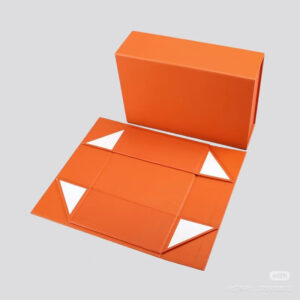
These boxes are commonly made from:
- SBS paperboard
- Kraft paperboard
- Corrugated paperboard (for shipping applications)
Typical structures include:
- Straight tuck end
- Reverse tuck end
- Auto-lock bottom
- Mailer-style folding boxes
Because they are lightweight and space-efficient, folding boxes are widely used for:
- Cosmetics
- Food packaging
- Electronics accessories
- Toy packaging
- Retail products
According to the Paper and Packaging Board, folding carton packaging remains one of the fastest-growing packaging categories due to sustainability and e-commerce demand.
What Is a Rigid Box?
A rigid box is a permanently formed packaging structure made from thick greyboard wrapped with printed or specialty paper. Unlike folding boxes, rigid boxes do not collapse after production.
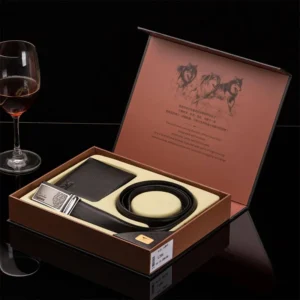
They are typically constructed using:
- 1.2mm–3mm greyboard
- Specialty wrap paper
- Decorative finishes such as foil stamping or embossing
Common rigid box styles include:
- Magnetic closure boxes
- Lid-and-base boxes
- Drawer boxes
- Hinged gift boxes
Rigid packaging is commonly used for:
- Jewelry
- Watches
- Luxury cosmetics
- Wine packaging
- Premium gift boxes
The global luxury packaging market continues to grow as brands invest more in premium customer experiences and gift-oriented packaging.
Main Differences Between Rigid Boxes and Folding Boxes
1. Structural Strength
The biggest difference is structural rigidity.
Rigid boxes maintain their shape permanently because they use thick greyboard. Folding boxes rely on fold lines and thinner paperboard structures.
Rigid Box
- Strong and durable
- Better compression resistance
- Suitable for fragile or premium products
Folding Box
- Lightweight
- Flexible structure
- Suitable for mass-market retail packaging
For heavier products like wine bottles or electronics, rigid packaging usually provides better protection.
2. Storage and Shipping Efficiency
This is one of the biggest operational differences.
Folding Boxes
Because they ship flat, folding boxes save significant storage and transportation space.
Factories can ship thousands of flat boxes in compact cartons, reducing freight costs.
Rigid Boxes
Rigid boxes are pre-assembled and occupy much more space during shipping and storage.
However, foldable rigid boxes have become increasingly popular because they combine luxury appearance with collapsible functionality.
According to packaging industry estimates, foldable box designs can reduce shipping volume by up to 70% compared with traditional rigid boxes.
3. Production Process
The manufacturing process differs significantly.
Folding Box Production
- Printing
- Die cutting
- Folding and gluing
- Flat packing
This process is highly automated and efficient for large production volumes.
Rigid Box Production
- Greyboard cutting
- Grooving
- Manual assembly
- Paper wrapping
- Quality inspection
Rigid box production involves more manual labor and precision work.
Because of this, rigid packaging usually has higher production costs.
4. Appearance and Brand Positioning
Packaging appearance directly influences product perception.
Rigid Boxes
Rigid structures create a premium feel and are often associated with luxury branding.
They support:
- Thick structures
- Magnetic closures
- Specialty textures
- Premium inserts
Folding Boxes
Folding boxes focus more on efficiency and retail practicality.
Modern folding boxes still support:
- High-quality printing
- Foil stamping
- Embossing
- Window structures
For many brands, folding boxes provide an excellent balance between branding and cost control.
5. Sustainability Considerations
Both packaging formats can support sustainable packaging goals.
Folding Boxes
- Lower material consumption
- Efficient transportation
- Easier recycling in many cases
Rigid Boxes
- Longer reuse lifecycle
- Premium reusable packaging
- Often retained by customers
Many brands now use FSC-certified paper and recyclable materials for both structures.
According to the McKinsey & Company, consumer preference for sustainable packaging continues to increase globally, especially among younger buyers.
6. Cost Difference
Cost is another major factor when choosing packaging.
Folding Boxes
Generally lower cost because:
- Less material usage
- Faster production
- Better shipping efficiency
Rigid Boxes
Higher cost due to:
- Thicker materials
- Manual assembly
- Premium finishing processes
For high-volume retail products, folding boxes are often more economical.
For luxury products, rigid boxes help justify higher product pricing through presentation quality.
Which Packaging Type Is Better?
There is no universal “better” option. The right choice depends on:
- Product weight
- Brand positioning
- Budget
- Shipping requirements
- Customer experience goals
Folding Boxes Are Best For:
- Retail packaging
- Lightweight products
- Large production runs
- E-commerce efficiency
Rigid Boxes Are Best For:
- Luxury products
- Premium gifting
- High-value retail items
- Strong unboxing experiences
In many modern packaging projects, brands combine both formats. For example:
- Folding cartons for retail shelves
- Rigid gift boxes for special editions
Final Insight
Rigid boxes and folding boxes serve very different purposes in packaging design. One prioritizes luxury presentation and structural strength, while the other focuses on scalability, efficiency, and cost control.
As packaging continues evolving alongside e-commerce and sustainability trends, foldable box innovations are helping bridge the gap between premium appearance and operational efficiency.
For brands, the key is not choosing the “best” box universally—but selecting the structure that best matches the product, customer expectations, and market positioning.
FAQ
Rigid boxes use thick greyboard and maintain their shape permanently, while folding boxes ship flat and are assembled when needed.
Yes. Folding boxes usually cost less due to lower material usage and automated production.
Jewelry, watches, luxury cosmetics, wine, and premium gift products commonly use rigid packaging.
Yes. Corrugated folding structures are widely used for e-commerce and retail shipping.
It is a collapsible rigid box that combines luxury appearance with space-saving shipping efficiency.
Both can be sustainable when made with recyclable and FSC-certified materials, though folding boxes generally use less material.
Yes. High-quality printing and finishing techniques allow folding boxes to achieve strong visual appeal.