
Table of Contents
When developing a product, many businesses focus heavily on the product itself while underestimating the role packaging plays in sales, logistics, branding, and customer experience. In reality, choosing between retail packaging and bulk packaging can directly affect your production cost, market positioning, customer perception, and even shipping efficiency.
Simply speaking:
- Retail packaging focuses more on presentation, branding, shelf display, and consumer experience.
- Bulk packaging focuses more on transportation efficiency, protection, storage, and cost control.
Although both are important in the packaging supply chain, they are designed for completely different purposes. Understanding the difference will help you choose the right packaging solution based on your products, customers, and business model.
What Is Retail Packaging?
Retail packaging refers to packaging designed specifically for direct consumer sales. It is the packaging customers see on retail shelves, e-commerce platforms, or during unboxing experiences.
This type of packaging is mainly used for:
- Cosmetics
- Electronics
- Jewelry
- Toys
- Food and beverages
- Luxury products
The main purpose of retail packaging is not only to protect products, but also to:
- Attract customer attention
- Improve product presentation
- Increase perceived value
- Strengthen brand recognition
- Influence purchasing decisions
According to the Paper and Packaging Board, over 70% of purchasing decisions are influenced by packaging appearance at the point of sale, especially in highly competitive retail environments.
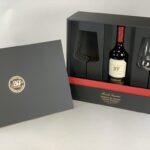
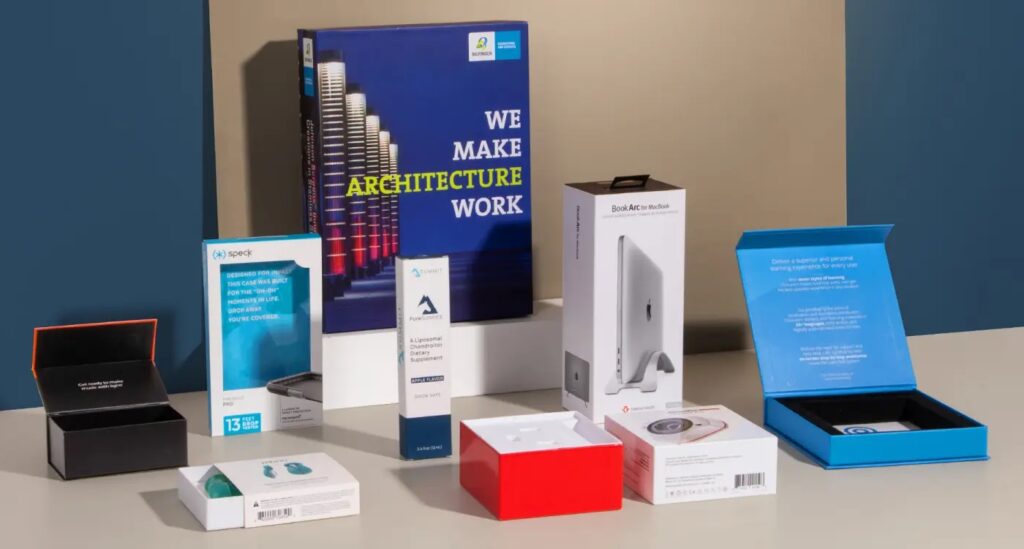
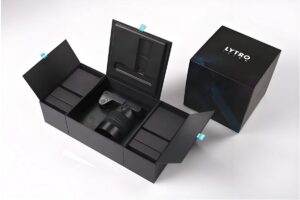
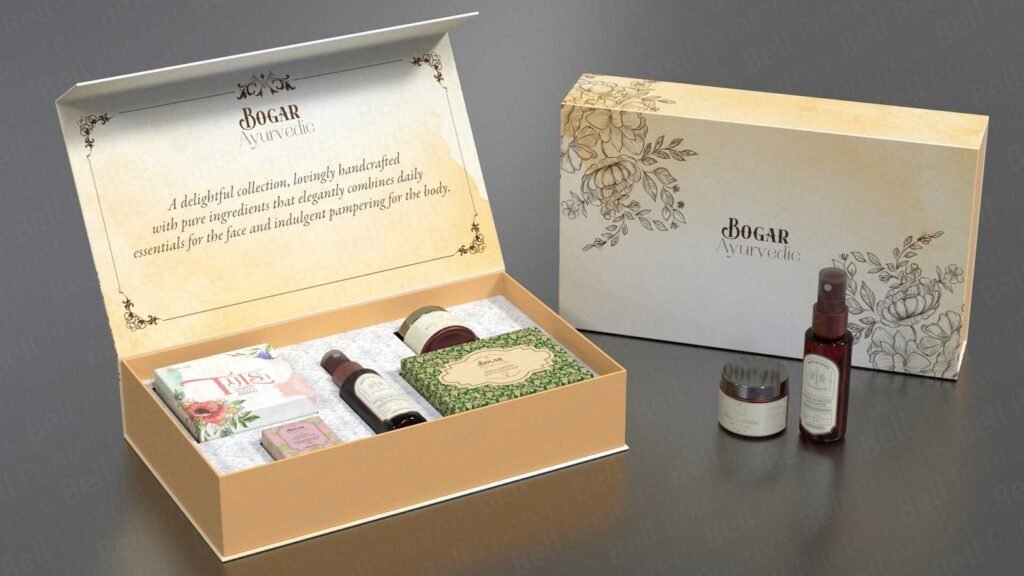
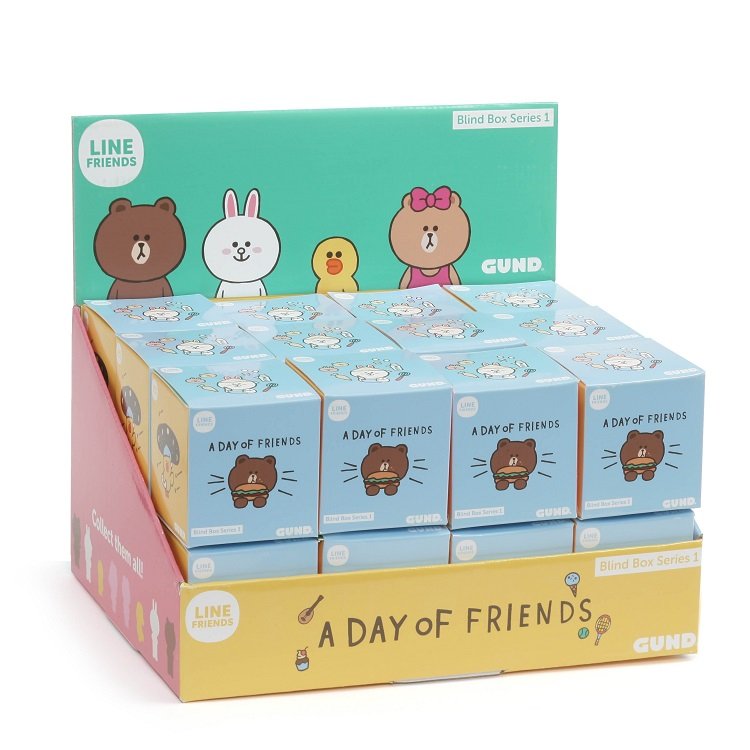
Main Features of Retail Packaging
1. Strong Visual Design
Retail packaging is heavily design-oriented.
It often includes:
- Brand colors
- Logos
- Product photography
- Premium printing finishes
The goal is to stand out on shelves and immediately communicate product value.
For example:
- Luxury skincare products often use rigid boxes with foil stamping
- Toy packaging may use colorful window boxes
- Electronics packaging usually adopts minimalist structures with precise printing
2. Premium Printing and Finishing
Retail packaging commonly uses advanced finishing techniques such as:
- Matte or gloss lamination
- Embossing and debossing
- Spot UV
- Foil stamping
These finishes improve both appearance and tactile experience, helping products feel more premium.
According to Pantone, consistent packaging color and design can improve brand recognition significantly across retail markets.
3. Better Customer Experience
Retail packaging focuses heavily on unboxing experience.
This may include:
- Magnetic closure gift boxes
- Drawer-style packaging
- Custom inserts
- Layered presentation structures
Good packaging creates emotional value and improves customer satisfaction.
4. Branding and Marketing Function
Retail packaging itself acts as a marketing tool.
Well-designed packaging can:
- Increase repeat purchases
- Improve social media sharing
- Strengthen customer memory of the brand
This is especially important for premium products and e-commerce businesses.
At Hongjia Packaging Technology (Shenzhen) Co., Ltd., we provide a wide range of retail packaging solutions, including:
- Cosmetic packaging boxes
- Jewelry boxes
- Magnetic gift boxes
- Toy packaging
- Wine packaging
- Luxury rigid boxes
- Mailer boxes
Our packaging solutions combine structure, functionality, and branding to help businesses improve product presentation and customer experience.
You can explore our packaging products and solutions through our official packaging collections and product categories.
Every brand has different needs, target markets, and product positioning. This is why we provide fully customized packaging services.
We can customize:
- Box structures
- Sizes and inserts
- Printing designs
- Surface finishing processes
- Specialty materials
Available finishing options include:
- Foil stamping
- Embossing
- Soft-touch lamination
- Spot UV
- Textured paper wrapping
These solutions help customers increase:
- Product value
- Brand visibility
- Shelf impact
- Customer engagement
If you need custom packaging solutions, feel free to contact us.
What Is Bulk Packaging?
Bulk packaging refers to packaging designed mainly for transportation, storage, wholesale distribution, and logistics efficiency rather than direct retail display.
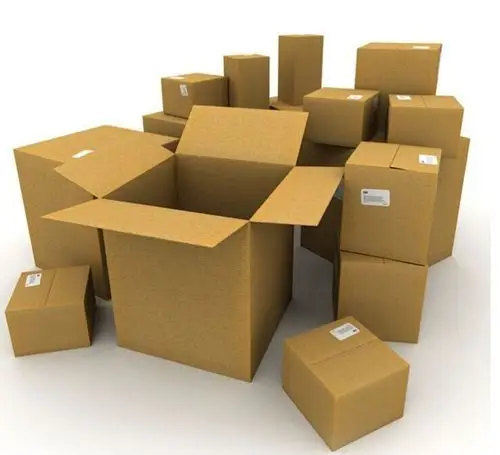
This packaging type is commonly used for:
- Industrial products
- Warehouse shipping
- Wholesale goods
- Internal transportation
- Large-volume retail supply chains
The primary purpose of bulk packaging is to:
- Protect products during transportation
- Reduce shipping damage
- Improve storage efficiency
- Lower packaging costs
Bulk packaging is especially important for manufacturers, distributors, and wholesalers handling large product volumes.
Main Features of Bulk Packaging
1. Focus on Protection
Bulk packaging prioritizes durability and product safety.
Common structures include:
- Corrugated cartons
- Divider cartons
- Protective inserts
- Reinforced shipping boxes
The goal is to minimize damage during logistics and long-distance shipping.
2. Cost Efficiency
Unlike retail packaging, bulk packaging focuses more on operational efficiency than visual appearance.
Advantages include:
- Lower production cost
- Simplified printing
- Faster production
- Better shipping efficiency
For large-scale distribution, reducing packaging cost per unit can significantly improve profitability.
3. Space Optimization
Bulk packaging is designed for efficient:
- Pallet stacking
- Warehouse storage
- Container loading
This helps reduce logistics costs and maximize shipping capacity.
According to the FEFCO, corrugated transport packaging remains one of the most widely used solutions globally because of its balance between protection and logistics efficiency.
4. Simplified Design
Bulk packaging usually uses:
- Simple color printing
- Basic labeling
- Minimal decorative finishing
Because the packaging is not intended for direct consumer sales, visual branding plays a smaller role.
Main Differences Between Retail Packaging and Bulk Packaging
| Aspect | Retail Packaging | Bulk Packaging |
|---|---|---|
| Main Purpose | Branding & sales | Protection & logistics |
| Target Users | End consumers | Wholesalers & distributors |
| Design Focus | Appearance & presentation | Durability & efficiency |
| Printing | High-quality printing | Simple labeling |
| Finishing | Foil, embossing, UV | Minimal finishing |
| Production Cost | Higher | Lower |
| Packaging Structure | Premium & display-oriented | Strong & stackable |
| Customer Experience | Important | Less important |
| Shipping Efficiency | Secondary | Primary focus |
| Typical Materials | Paperboard, rigid board | Corrugated board |
How Should You Choose?
1. Choose Based on Your Business Purpose
If your goal is:
- Retail sales
- Brand building
- Premium positioning
Then retail packaging is usually the better option.
If your goal is:
- Wholesale distribution
- Logistics optimization
- Cost reduction
Then bulk packaging is more suitable.
2. Choose Based on Product Type
Fragile or premium products usually benefit more from retail packaging structures such as:
- Rigid boxes
- Magnetic boxes
- Drawer boxes
High-volume industrial or transport products generally require bulk packaging solutions.
3. Choose Based on Budget
Retail packaging usually costs more because of:
- Better materials
- More complex printing
- Decorative finishes
Bulk packaging focuses more on minimizing unit cost and improving operational efficiency.
The right balance depends on your market strategy and customer expectations.
Final Thoughts
Retail packaging and bulk packaging both play critical roles throughout the product supply chain. Choosing the right packaging solution affects:
- Your target audience
- Business model
- Brand positioning
- Customer satisfaction
- Product value perception
- Purchase intention
Whether you are launching a new product or optimizing your supply chain, packaging is far more important than many businesses initially realize.
At Hongjia Packaging Technology (Shenzhen) Co., Ltd., we are happy to provide packaging design, customization, and production services tailored to your needs.
If you have any questions or packaging requirements, feel free to contact us.
FAQ
Retail packaging focuses on branding and customer experience, while bulk packaging focuses on transportation efficiency and product protection.
Yes. Retail packaging usually includes premium printing and finishing processes, making it more expensive.
Cosmetics, jewelry, electronics, toys, food, and luxury products commonly use retail packaging.
Corrugated board is the most common material because of its durability and cost efficiency.
Yes. Many products use retail packaging inside larger bulk shipping cartons.
Packaging affects first impressions, perceived value, and customer purchasing decisions.
Yes. Well-designed packaging can improve shelf visibility, customer engagement, and brand recognition.