
Table of Contents
- Why Candy Packaging Matters More Than Ever
- Step 1: Define Your Packaging Purpose, Brand Positioning, and Target Audience
- Step 2: Choose the Right Packaging Materials and Structures
- Step 3: Create a Strong Visual Identity Through Packaging Design
- Step 4: Improve Functionality and Structural Design
- Step 5: Increase Perceived Value with Premium Finishing Techniques
- Step 6: Add Interactive and Personalized Elements
- Conclusion
- FAQ
Why Candy Packaging Matters More Than Ever
In the confectionery industry, product quality alone is no longer enough to stand out on crowded retail shelves or online marketplaces. Consumers often make purchasing decisions within seconds, and packaging is usually the first thing they notice before tasting the candy itself.
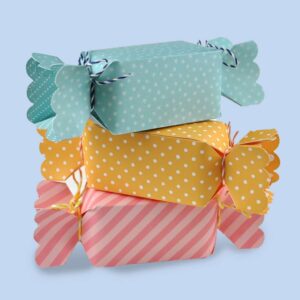
A well-designed custom candy box does far more than simply hold and protect sweets. It directly affects:
- Brand perception
- Shelf visibility
- Customer engagement
- Product protection
- Shipping efficiency
- Repeat purchases
- Social media exposure
For many candy brands, packaging has become one of the most effective marketing tools available.
As a professional custom packaging manufacturer, we have worked with candy brands, chocolate companies, gift businesses, and retail distributors across the USA, Europe, and the Middle East. One thing we consistently see is this:
Brands with professionally designed candy packaging are often perceived as more premium, more trustworthy, and more gift-worthy — even before customers taste the product.
However, successful candy packaging is not just about attractive graphics. It requires balancing:
- Structural engineering
- Food safety
- Branding
- Printing quality
- Production efficiency
- Shipping protection
- Cost control
- Consumer experience
Below are six essential steps that professional candy brands use when developing custom candy boxes that both protect products and strengthen brand value.
Step 1: Define Your Packaging Purpose, Brand Positioning, and Target Audience
Before selecting materials or discussing printing techniques, the first step is understanding what the packaging is actually supposed to achieve.
Many brands rush directly into artwork design without clearly defining:
- Where the product will be sold
- Who the customer is
- What market position the brand wants to occupy
- What type of unboxing experience is expected
This often results in packaging that looks generic or fails to communicate the correct brand identity.
Understand the Packaging Application
Candy packaging requirements vary significantly depending on the sales channel.
Retail Shelf Packaging
Retail packaging must prioritize:
- Strong shelf visibility
- Bright and recognizable branding
- Fast customer recognition
- Efficient stacking and display
For retail environments, folding carton structures such as:
- Straight tuck end boxes
- Reverse tuck end boxes
- Auto-lock bottom boxes
are commonly used because they are lightweight, cost-efficient, and suitable for large-volume production.
Gift Packaging
Candy gift packaging focuses more on:
- Premium presentation
- Luxury finishing
- Memorable unboxing experience
- Emotional value
Rigid magnetic boxes, drawer boxes, and shoulder neck boxes are popular choices for premium chocolate and confectionery gift sets.
E-commerce Candy Packaging
Online candy brands must prioritize:
- Crush resistance
- Moisture protection
- Shipping efficiency
- Lightweight structures
For e-commerce applications, packaging structure is often more important than visual complexity.
Flat-packed folding cartons usually reduce international shipping costs compared to rigid boxes.
Define Your Brand Personality
Your packaging should immediately communicate your brand positioning.
For example:
| Brand Style | Packaging Characteristics |
|---|---|
| Luxury chocolate brand | Minimalist design, soft-touch lamination, foil stamping |
| Organic candy brand | Kraft paper, earthy colors, eco-friendly messaging |
| Kids candy brand | Bright colors, playful illustrations, interactive elements |
| Holiday gift candy | Decorative textures, ribbon closures, premium inserts |
Consistency between packaging, website, advertising, and social media is essential for building strong brand recognition.
Step 2: Choose the Right Packaging Materials and Structures
Material selection affects far more than appearance. It directly impacts:
- Product safety
- Moisture resistance
- Durability
- Printing performance
- Shipping costs
- Sustainability
- Consumer perception
Choosing the wrong material can lead to damaged products, poor print quality, or excessive packaging costs.
Common Materials Used for Custom Candy Boxes
1. Folding Box Board (FBB)
FBB is one of the most commonly used materials for candy packaging.
Advantages:
- Lightweight
- Excellent printability
- Cost-effective
- Suitable for retail packaging
- Good folding performance
Typical paper weights range from 250gsm to 400gsm depending on product weight and box structure.
2. Rigid Board
Rigid boxes use thick greyboard wrapped with printed paper or specialty paper.
Advantages:
- Premium appearance
- Strong structure
- Excellent unboxing experience
- High perceived value
Commonly used for:
- Luxury chocolate packaging
- Holiday gift boxes
- Premium confectionery collections
However, rigid boxes also increase:
- Shipping volume
- Storage requirements
- Production costs
This is an important consideration for international shipping.
3. Kraft Paper
Kraft paper packaging has become increasingly popular among sustainable candy brands.
Advantages:
- Eco-friendly appearance
- Recyclable material
- Natural texture
- Strong sustainability positioning
However, kraft paper has some limitations:
- Reduced color vibrancy
- Less suitable for highly detailed graphics
- Dark surface affects color accuracy
4. Corrugated Packaging
Corrugated boxes are mainly used for:
- Shipping cartons
- Bulk candy packaging
- Subscription box protection
- Export transportation
Micro-flute corrugated structures can also be used for premium retail packaging that requires additional protection.
Food Safety Requirements in Candy Packaging
Food-grade compliance is one of the most important aspects of candy packaging production.
Professional candy packaging manufacturers should consider:
- FDA-compliant materials
- Food-safe inks
- Odor-free adhesives
- Moisture barriers
- Grease resistance
- Migration safety standards
For direct food contact packaging, internal food-grade liners or trays are often required.
Many premium candy brands also use:
- PET trays
- Paper pulp inserts
- Blister inserts
- Food-grade paper dividers
These structures help:
- Prevent candy movement
- Reduce breakage
- Separate flavors
- Improve presentation quality
Sustainable Candy Packaging Trends
Sustainability is no longer optional in many international markets.
Consumers increasingly prefer brands that use:
- FSC-certified paper
- Recycled board
- Soy-based inks
- Plastic-free inserts
- Biodegradable materials
Many retailers and distributors in Europe now actively prioritize environmentally responsible packaging suppliers.
Adding sustainability messaging directly onto the packaging can also strengthen brand trust.
Step 3: Create a Strong Visual Identity Through Packaging Design
Effective candy packaging design should immediately communicate:
- Product category
- Brand personality
- Product positioning
- Flavor profile
- Target audience
In retail environments, packaging often determines whether customers pick up the product or ignore it.
Key Visual Design Elements
Color Strategy
Color psychology plays a major role in confectionery packaging.
Examples:
- Red and pink create excitement and sweetness
- Gold and black communicate luxury
- Pastel tones create softness and elegance
- Green often represents natural or organic products
Luxury candy brands increasingly use minimalist color palettes combined with premium finishing techniques.
Typography
Typography should balance:
- Readability
- Brand personality
- Shelf recognition
Too many fonts often make packaging appear unprofessional.
Product Photography and Illustration
Depending on the brand positioning, packaging may use:
- Real product photography
- Hand-drawn illustrations
- Minimalist graphics
- Pattern-based design systems
Premium chocolate brands often reduce visual clutter and focus on texture, embossing, and material quality instead of excessive graphics.
Printing Methods Matter
Professional candy packaging production also depends heavily on selecting the correct printing process.
Offset Printing
Best for:
- High-volume production
- High-resolution graphics
- Premium color consistency
Offset printing is commonly used for retail candy packaging and luxury confectionery boxes.
Flexographic Printing
More suitable for:
- Corrugated packaging
- Shipping cartons
- Large-volume industrial production
CMYK vs Pantone Printing
CMYK printing is suitable for most graphic artwork.
Pantone color matching is often used when brands require:
- Strict color consistency
- Accurate corporate colors
- Luxury branding standards
This is especially important for established confectionery brands.
Step 4: Improve Functionality and Structural Design
Beautiful packaging alone is not enough.
Structural engineering determines:
- Product protection
- Ease of assembly
- Shipping efficiency
- Customer convenience
- Retail display performance
Poor structural design can result in:
- Crushed corners
- Difficult assembly
- Product movement
- High shipping costs
- Poor unboxing experience
Popular Candy Box Structures
Straight Tuck End Box
A cost-effective retail packaging solution suitable for lightweight candy products.
Advantages:
- Easy assembly
- Efficient mass production
- Good for shelf display
Auto-Lock Bottom Box
Provides stronger bottom support for heavier products.
Often used for:
- Assorted candy collections
- Multi-pack confectionery
- Heavier gift packaging
Drawer Box (Slide Box)
Popular for premium chocolates and luxury candy collections.
Creates a more memorable unboxing experience.
Magnetic Rigid Box
One of the most premium candy packaging options.
Commonly used for:
- Holiday gift boxes
- Corporate gifting
- Luxury chocolate packaging
Display Packaging
Retail-ready display packaging allows products to transition directly from shipping carton to retail display.
This improves:
- Shelf presentation
- Retail convenience
- Brand visibility
Functional Packaging Features
Window Cut-Outs
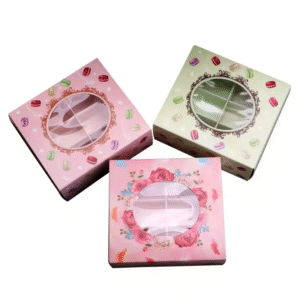
Die-cut windows allow customers to view the candy directly.
This can increase impulse purchases and build product trust.
Resealable Structures
Resealable closures help maintain freshness and improve convenience.
Examples include:
- Magnetic closures
- Velcro closures
- Fold-lock systems
- Zipper systems
Carry Handles
Useful for:
- Party gift packaging
- Seasonal candy boxes
- Large gift sets
Multi-Compartment Inserts
Used to:
- Separate flavors
- Prevent collision damage
- Improve presentation
Common insert materials include:
- PET trays
- Paperboard dividers
- Molded pulp inserts
Step 5: Increase Perceived Value with Premium Finishing Techniques
Finishing processes can dramatically change how consumers perceive product quality.
Even relatively simple packaging structures can appear highly premium when combined with advanced surface treatments.
Popular Premium Finishing Options
Foil Stamping
Available in:
- Gold foil
- Silver foil
- Rose gold foil
- Holographic foil
Foil stamping is widely used for:
- Logos
- Decorative borders
- Brand accents
It helps improve shelf visibility and premium perception.
Embossing and Debossing
Adds tactile texture and structural depth to packaging.
This technique is especially effective for luxury confectionery brands.
Spot UV Coating
Creates contrast between matte and glossy surfaces.
Often used to highlight:
- Logos
- Product names
- Graphic elements
Soft-Touch Lamination
Provides a velvet-like texture that enhances the unboxing experience.
Commonly used in:
- Premium chocolate boxes
- Luxury gift packaging
- High-end seasonal candy packaging
Varnishing
A more cost-effective finishing option that improves durability and surface appearance.
Production Cost Considerations
Many premium finishing techniques require:
- Additional tooling
- Separate production processes
- Longer lead times
For example:
- Foil stamping requires metal dies
- Embossing requires pressure molds
- Spot UV requires additional coating setup
These processes can significantly affect packaging cost, especially for small MOQ projects.
Brands should balance:
- Budget
- Brand positioning
- Order quantity
- Target retail pricing
Step 6: Add Interactive and Personalized Elements
Modern packaging is increasingly becoming part of the overall customer experience.
Interactive packaging can help brands:
- Increase customer engagement
- Encourage social sharing
- Build brand loyalty
- Connect online and offline marketing
Interactive Packaging Ideas
QR Codes
QR codes can link customers to:
- Brand websites
- Product videos
- Social media pages
- Promotions
- Recipes
- Loyalty programs
Augmented Reality (AR)
AR packaging experiences are becoming more popular among younger consumers.
Customers can scan the packaging to unlock:
- Interactive animations
- Brand storytelling
- Games
- Virtual factory tours
Personalized Packaging
Custom names or messages are especially popular for:
- Holiday gifts
- Corporate gifting
- Event packaging
- Wedding candy favors
Brand Storytelling
Many premium brands now print:
- Founder stories
- Sustainability commitments
- Ingredient sourcing information
inside the packaging.
This helps create emotional connection and brand authenticity.
Sampling, Testing, and Mass Production
Before full production begins, professional candy packaging projects usually go through several stages.
Structural engineers create packaging dielines to ensure:
Dieline Development
- Proper folding
- Accurate dimensions
- Efficient assembly
- Insert compatibility
Sample Production
Physical prototypes help brands evaluate:
- Material quality
- Structural strength
- Print accuracy
- Color consistency
- Unboxing experience
Production Testing
For export and retail projects, testing may include:
- Compression testing
- Drop testing
- Moisture testing
- Transportation simulation
These processes help reduce packaging failures during shipping and retail distribution.
Conclusion
Custom candy packaging is far more than decorative branding.
Professional candy boxes combine:
- Structural engineering
- Material science
- Printing technology
- Consumer psychology
- Retail strategy
- Logistics efficiency
By carefully planning your packaging strategy, selecting suitable materials, optimizing structure, improving functionality, and incorporating premium finishing techniques, brands can create candy packaging that not only protects products but also strengthens customer trust and increases perceived value.
In today’s highly competitive confectionery market, packaging often becomes the deciding factor between an average product and a memorable brand.
As an experienced custom candy box manufacturer, we help global brands develop candy packaging solutions tailored for:
- Retail shelves
- E-commerce shipping
- Luxury gifting
- Seasonal promotions
- Sustainable packaging goals
Whether you need folding cartons, rigid gift boxes, display packaging, or fully customized candy packaging solutions, our team can help turn your ideas into commercially successful packaging.
Contact us today to discuss your custom candy packaging project and request a free quote.
FAQ
Folding box board is the most common choice for retail candy packaging due to its printability and cost efficiency, while rigid board is preferred for luxury candy gift boxes.
Yes. Professional candy packaging manufacturers can use FDA-compliant materials, food-safe inks, and food-grade inserts for direct food contact applications.
Offset printing is widely used for high-quality retail candy packaging because it provides excellent color accuracy and detailed graphics.
Rigid boxes provide a premium appearance and stronger structure, while folding cartons are more cost-efficient and reduce shipping costs.
Yes. Many brands now use FSC-certified paper, recyclable board, soy-based inks, and biodegradable inserts.
Popular premium finishes include foil stamping, embossing, spot UV coating, and soft-touch lamination.
Proper structural design improves product protection, shipping efficiency, shelf display performance, and overall customer experience.
MOQ depends on box structure, material, and printing requirements. Folding cartons usually have lower MOQs than rigid boxes.
Production timelines vary depending on complexity, but sampling usually takes several days while mass production often requires several weeks.
Yes. Interactive packaging elements such as QR codes and AR experiences are increasingly popular for customer engagement and digital marketing.