
Table of contents
- Introduction
- What Is Folding Carton Packaging?
- Key Benefits of Folding Carton Packaging
- Common Applications Across Industries
- Custom Folding Carton Packaging: Unlocking Branding Potential
- Printed Folding Cartons: Enhancing Shelf Appeal
- Cardboard Box Design and Folding Carton Design Best Practices
- Folding Carton vs Corrugated Box
- Sustainable Folding Carton Packaging Solutions
- How to Choose a Folding Carton Manufacturer
- Why Choose Hongjia Packaging?
- Conclusion
- FAQ
Introduction
In today’s competitive retail market, packaging plays a critical role in product protection, brand communication, and customer experience. Among the many packaging options available, folding carton packaging remains one of the most popular choices due to its versatility, cost-effectiveness, and sustainability.
From cosmetics and food products to electronics and pharmaceuticals, folding carton boxes provide businesses with an efficient way to showcase products while maintaining structural integrity. With the growing demand for custom packaging solutions, custom folding carton packaging and printed folding cartons have become powerful tools for brand differentiation.
In this guide, we’ll explore the benefits, applications, design considerations, and sustainability advantages of folding carton packaging, helping businesses choose the right packaging solution for their products.
What Is Folding Carton Packaging?
Folding carton packaging is a type of paperboard packaging manufactured from materials such as SBS paperboard, kraft paper, duplex board, and other recyclable paper-based substrates.
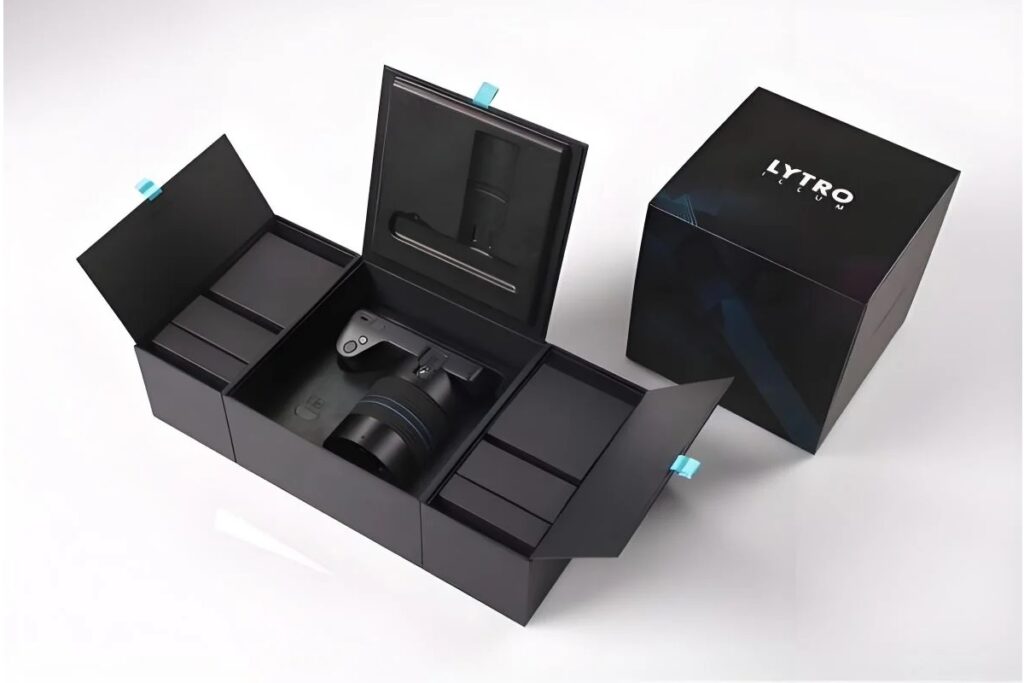
Unlike corrugated shipping cartons, folding cartons are primarily designed for retail presentation. They are delivered flat, reducing storage and transportation costs, and can be assembled into a wide variety of box styles.
Common folding carton box styles include:
- Tuck End Boxes
- Auto Bottom Boxes
- Reverse Tuck End Boxes
- Sleeve Packaging
- Display Cartons
- Window Boxes
- Hang Tab Boxes
Because of their flexibility and high-quality printability, folding cartons are widely used for retail packaging and product packaging solutions across multiple industries.
Key Benefits of Folding Carton Packaging
Cost-Effective Packaging Solution
Folding cartons are lightweight and can be shipped flat before assembly, significantly reducing freight and storage costs. This makes them an economical option for both small businesses and large-scale manufacturers.
Excellent Branding Opportunities
Custom folding carton packaging allows brands to fully customize graphics, colors, finishes, and structural designs.
Brands can incorporate:
- Custom logos
- Brand colors
- Product information
- QR codes
- Promotional messaging
to create a memorable unboxing experience.
Lightweight Yet Durable
Although lightweight, paperboard folding cartons provide excellent protection for retail products. Various paperboard thicknesses can be selected based on product weight and protection requirements.
Sustainable and Recyclable
Consumers increasingly prefer eco-friendly packaging solutions. Folding carton packaging is typically made from recyclable materials and can support sustainability initiatives through FSC-certified paper and environmentally friendly printing processes.
Common Applications Across Industries
Food Packaging
Food brands use folding carton packaging for:
- Tea packaging
- Snack boxes
- Frozen food packaging
- Bakery products
- Gift packaging
Food-grade paperboard materials help maintain product safety while delivering attractive shelf appeal.
Cosmetic Packaging
Luxury cosmetics often rely on custom printed packaging to communicate brand value.
Common products include:
- Perfume boxes
- Skincare packaging
- Makeup packaging
- Essential oil cartons
Premium finishes such as foil stamping and embossing help create a luxurious appearance.
Pharmaceutical Packaging
The pharmaceutical industry uses folding carton boxes for:
- Medicine cartons
- Supplement packaging
- Healthcare products
These cartons provide space for regulatory information and product instructions.
Electronics Packaging
Electronic products often require sturdy folding carton packaging with custom inserts for protection.
Examples include:
- Earphones
- Chargers
- Power banks
- Mobile accessories
- Consumer electronics
Custom Folding Carton Packaging: Unlocking Branding Potential
Custom packaging has become a crucial marketing asset.
Businesses can customize:
Structural Design
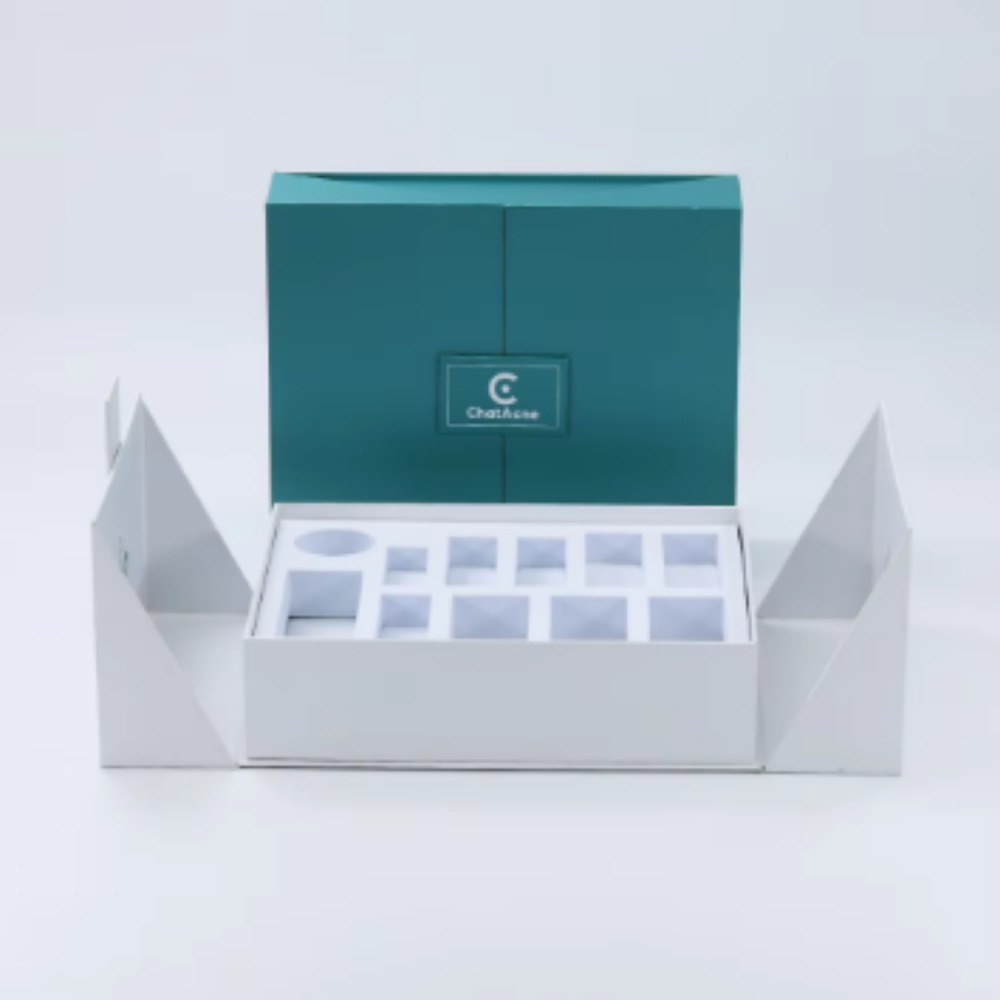
Unique box structures improve product presentation and user experience.
Examples:
- Magnetic closure cartons
- Window boxes
- Drawer-style packaging
- Sleeve packaging
Material Selection
Popular packaging materials include:
- SBS Paperboard
- Kraft Paper
- Art Paper
- Corrugated Board
- Duplex Board
Each material offers different advantages in durability, print quality, and sustainability.
Custom Inserts
Brands often add:
- EVA foam inserts
- Paper inserts
- Blister trays
- Molded pulp inserts
to improve product protection and presentation.
Printed Folding Cartons: Enhancing Shelf Appeal
Printed folding cartons are often the first interaction consumers have with a product.
Effective packaging design combines attractive visuals with functional information.
Offset Printing
Offset printing remains the preferred solution for large-volume packaging production due to its consistency and color accuracy.
UV Coating
UV coating creates visual contrast and enhances durability.
Foil Stamping
Gold and silver foil stamping add premium visual appeal.
Embossing and Debossing
These techniques create tactile experiences that increase perceived product value.
Matte and Gloss Lamination
Lamination provides surface protection while enhancing the overall appearance of packaging.
Cardboard Box Design and Folding Carton Design Best Practices
Successful cardboard box design requires balancing aesthetics, functionality, and manufacturing efficiency.
Consider Product Dimensions
The packaging should fit the product precisely to prevent movement and damage during transportation.
Optimize Structural Strength
Structural packaging design should consider:
- Product weight
- Shipping requirements
- Stacking performance
- Retail display needs
Focus on User Experience
Modern consumers appreciate:
- Easy-open packaging
- Reusable packaging
- Informative labeling
Maintain Brand Consistency
Packaging should align with overall brand identity through consistent use of:
- Colors
- Typography
- Imagery
- Messaging
Folding Carton vs Corrugated Box
| Feature | Folding Carton Packaging | Corrugated Box |
|---|---|---|
| Material | Paperboard | Corrugated Board |
| Weight | Lightweight | Heavier |
| Printing Quality | Excellent | Moderate |
| Retail Appearance | Premium | Functional |
| Shipping Strength | Moderate | High |
| Cost | Lower | Higher |
Folding cartons are ideal for retail packaging, while corrugated boxes are commonly used for shipping and logistics.
Sustainable Folding Carton Packaging Solutions
Sustainability has become a major purchasing factor for consumers and businesses.
Eco-friendly packaging options include:
- FSC-certified paper
- Recyclable paperboard
- Soy-based inks
- Water-based coatings
- Plastic-free packaging structures
Many global brands are transitioning toward sustainable packaging solutions to reduce environmental impact while meeting customer expectations.
How to Choose a Folding Carton Manufacturer
Selecting the right folding carton manufacturer is critical for product success.
Consider the following factors:
Manufacturing Experience
Choose a packaging supplier with proven experience across multiple industries.
Design Support
A reliable packaging factory should provide structural design and packaging engineering assistance.
Quality Control
Look for manufacturers with strict quality inspection processes.
Production Capacity
Verify whether the supplier can support future growth and large-volume orders.
Export Experience
International brands should prioritize packaging suppliers familiar with export standards and global compliance requirements.
Why Choose Hongjia Packaging?
At Hongjia Packaging, we specialize in custom folding carton packaging solutions for global brands.
Our advantages include:
- More than 25 years of packaging experience
- 15,000㎡ manufacturing facility
- OEM and ODM packaging services
- Advanced printing and finishing equipment
- FSC-certified material options
- Fast sampling and production
- Global export experience
Whether you need cosmetic packaging, electronics packaging, food packaging, or luxury gift boxes, our team can provide tailored packaging solutions that enhance your brand and improve product presentation.
Conclusion
Folding carton packaging continues to be one of the most versatile and cost-effective packaging solutions available today. Its combination of sustainability, customization, branding potential, and retail appeal makes it suitable for a wide range of industries.
By investing in thoughtful folding carton design, high-quality printed folding cartons, and reliable manufacturing partners, businesses can create packaging that not only protects products but also strengthens brand recognition and drives sales.
For businesses seeking custom folding carton packaging, partnering with an experienced packaging supplier can make a significant difference in product success and customer satisfaction.
FAQ
Folding carton packaging is a paperboard-based packaging solution commonly used for retail products. It is lightweight, printable, recyclable, and highly customizable.
Common materials include SBS paperboard, kraft paper, duplex board, CCNB board, and specialty paper depending on product requirements.
Folding cartons are primarily used for retail packaging and product presentation, while corrugated boxes are designed for shipping and transportation protection.
Yes. Most folding cartons are recyclable and can be manufactured using FSC-certified paper and eco-friendly inks.
Popular options include offset printing, UV printing, foil stamping, embossing, debossing, matte lamination, and gloss lamination.
Industries include food and beverage, cosmetics, pharmaceuticals, electronics, personal care products, and luxury retail goods.
You can customize dimensions, materials, printing artwork, surface finishes, inserts, and structural designs to create packaging that reflects your brand identity and product requirements.