
Table of contents
- 1. Start with Your Product and Packaging Purpose
- 2. Compare the Main Types of Gift Boxes
- 3. Choose Materials That Match Your Brand and Budget
- 4. Select the Right Size and Internal Layout
- 5. Match the Box Style to Your Market Position
- 6. When Should You Buy Wholesale or Customize Your Gift Boxes?
- 7. Evaluate the Supplier Before Placing an Order
- 8. Build a Gift Box Range That Can Grow with Your Business
- FAQ
Choosing the right gift box involves more than selecting an attractive design. Your packaging needs to fit the product, reflect your brand, protect the contents and meet your budget. The right choice also needs to work across your product range, order quantities, storage space and shipping requirements.
For retailers, wholesalers and brand owners, the challenge often lies in balancing presentation with practicality. A rigid box may suit a premium gift set, while a folding carton may offer a more economical solution for everyday products. Seasonal collections, gift baskets and small accessories also require different structures and dimensions.
This guide explains how to choose gift boxes for your product line, compare common box styles, select suitable materials and evaluate suppliers. Whether you need retail packaging, corporate gifts or large-volume seasonal orders, a clear specification helps you make better purchasing decisions.
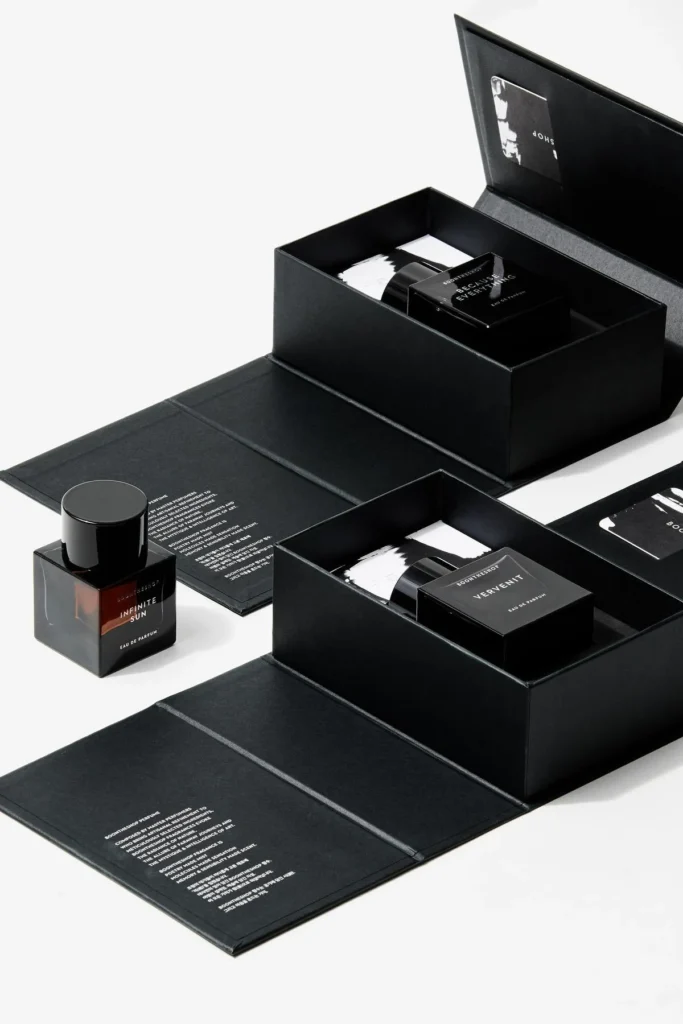
1. Start with Your Product and Packaging Purpose
Before comparing designs or requesting quotations, define what the box needs to do. Your product’s size, weight, fragility and presentation requirements will determine which structure works best.
Consider these questions:
- What product will the box hold?
- Does the product need cushioning or separate compartments?
- Will customers buy it as a gift, or will the box serve mainly as retail packaging?
- Will the package travel through parcel delivery, retail distribution or direct handover?
- Do you need a standard size, a customized structure or a coordinated range of sizes?
- What budget and order quantity can your business support?
For example, a jewelry brand may prioritize a fitted insert and a refined finish. A confectionery business may need several compartments to separate products. A corporate gifting company may need a larger box that accommodates products from different categories.
Define these requirements first. They will help you compare suitable structures instead of paying for features your product does not need.
2. Compare the Main Types of Gift Boxes
Different box structures serve different purposes. The best option depends on the product, the desired opening experience and the production budget.
| Box type | Main advantages | Suitable applications | Main consideration |
|---|---|---|---|
| Folding carton | Lightweight, flat-packed and versatile for printing | Retail products, promotional gifts and lightweight items | Offers less rigidity than a typical rigid box |
| Rigid gift box | Sturdy structure and a substantial presentation | Premium gifts, cosmetics, jewelry and electronics | Usually requires more material and storage space |
| Lid-and-base box | Separate lid and base create a classic presentation | Apparel accessories, gift sets and corporate gifts | Requires clearance between the lid and base |
| Magnetic closure box | Attached lid and magnetic closure create a controlled opening experience | Premium gift sets and branded gift collections | Closure components and assembly affect cost |
| Drawer box | Sliding tray reveals the product gradually | Jewelry, fragrance, small accessories and specialty gifts | Tray fit and sliding resistance require careful design |
| Gift basket box | Accommodates several items in one coordinated package | Food assortments, hampers and mixed gift sets | Internal dividers and total product weight need attention |
A rigid structure makes sense when the box contributes significantly to the perceived quality of the gift. A folding carton may provide better value when lightweight construction, efficient storage and high-volume packing matter more.
Do not assume that the most elaborate structure is automatically the best choice. Match the box to the product’s actual requirements and the experience you want to create.
3. Choose Materials That Match Your Brand and Budget
Material selection affects the box’s strength, appearance, print quality and production cost. Paper-based packaging offers several options for different product lines.
Folding Paperboard
Folding paperboard suits lightweight products and retail packaging. It supports detailed printing and many decorative finishes, and manufacturers can ship it flat before assembly.
Consider this material when your product needs a clean printed carton rather than a heavy presentation box.
Rigid Greyboard with Wrapping Paper
Rigid boxes typically use greyboard as the structural core, wrapped with printed art paper or specialty paper. This construction creates a solid shape and supports finishes such as foil stamping, embossing and textured surfaces.
Brands developing custom rigid gift boxes often choose this structure for premium gift sets, beauty products, jewelry and corporate gifts.
Kraft Paper and Specialty Paper
Kraft paper can support a natural, understated visual style, while specialty papers offer a wider range of textures, colors and surface effects.
Choose the material according to the product and brand identity. If sustainability matters to your business, assess the full material specification, coatings, laminations and local recycling options rather than relying on a general label such as “eco-friendly.”
Inserts and Internal Protection
The outer box does not need to do all the work. An insert can hold the product in position, separate multiple items and create a more organized presentation.
Depending on the product, you might consider paperboard dividers, die-cut inserts or other suitable cushioning materials. Confirm the fit with actual product samples, especially when the box contains glass, delicate accessories or several items of different sizes.
4. Select the Right Size and Internal Layout
A box that looks attractive but fits poorly can create problems during packing, storage and delivery.
Measure the product at its widest, tallest and deepest points. Include caps, handles, protruding components and any protective wrapping. Then allow suitable clearance for insertion and removal.
Avoid making the box much larger than necessary. Excess space can allow products to shift and may require additional filler. An oversized package can also increase shipping volume.
For multi-item gift sets, plan the internal layout before finalizing the outer dimensions. Decide which products need separate compartments and which items can share a space safely.
Businesses that need several sizes may benefit from a coordinated packaging system. For example, a brand could use one visual design across small, medium and large boxes while adjusting each structure to its contents.

5. Match the Box Style to Your Market Position
Your packaging should reflect how customers perceive the product and what they expect when they open it.
For Premium Products
Custom luxury gift boxes often combine rigid construction, specialty paper and carefully selected finishing effects. A restrained design with one or two strong visual details can communicate quality without making the package unnecessarily complicated.
Consider magnetic closure boxes, book-style boxes or lid-and-base structures when the opening experience plays an important role in your brand presentation.
For Cost-Conscious Retail and Promotional Gifts
If unit cost and storage efficiency matter most, start with folding cartons or a simpler box structure. You can still create a professional appearance through good artwork, appropriate paper selection and consistent printing.
When comparing cheap gift boxes wholesale offers, review the complete specification rather than choosing the lowest quoted price. Differences in dimensions, material thickness, printing coverage, finishing and packing can make two quotations difficult to compare.
For Seasonal Collections
Holiday and Christmas packaging often needs to combine festive artwork with practical production planning. Businesses sourcing xmas gift boxes wholesale or holiday gift boxes wholesale should confirm artwork approval, sample timing, order quantities and delivery dates early.
Seasonal demand can place pressure on production and shipping schedules. Finalizing the design and specification before peak ordering periods gives your team more time to review samples and coordinate inventory.
6. When Should You Buy Wholesale or Customize Your Gift Boxes?
Wholesale purchasing and custom manufacturing serve different needs. Your order quantity, product dimensions, brand requirements and inventory strategy should guide the decision.
| Purchasing approach | Best for | Advantages | Trade-offs |
|---|---|---|---|
| Standard wholesale boxes | Common products and short-term needs | Faster selection and fewer design decisions | Limited size, color and branding options |
| Wholesale boxes with customized printing | Businesses that need brand recognition without changing the basic structure | Adds brand identity while retaining a familiar box format | Artwork and finishing may affect minimum quantities and lead time |
| Fully customized boxes | Distinctive products, unusual dimensions and premium gift sets | Greater control over structure, materials and presentation | Requires design development, sampling and production planning |
If you need wholesale gift boxes with lids, first confirm the available dimensions, lid fit, material and finish. Standard sizes may work well when your products already fit them.
For more distinctive products, custom gift boxes with lids allow you to specify the dimensions, closure, insert and appearance. A manufacturer can evaluate whether a standard structure can meet your needs or whether a new design would provide a better fit.
Businesses sourcing luxury gift boxes wholesale should also request samples and define quality expectations before placing a larger order. A consistent reference sample helps both parties evaluate the production result.
For mixed gift assortments, gift basket boxes wholesale may offer a suitable starting point, but check the total weight and internal layout before choosing a box. If your products are small and lightweight, small gift boxes wholesale can help reduce unnecessary packaging volume.
7. Evaluate the Supplier Before Placing an Order
A suitable packaging supplier should understand your product requirements and explain the trade-offs between different designs.
Ask potential suppliers these questions:
- Can you recommend a suitable structure? Share product dimensions, weight, photos and the intended use.
- Can you customize the size and insert? Confirm whether the design can accommodate the product securely.
- Which materials and finishes do you offer? Compare paper grades, wrapping papers, printing methods and decorative options.
- Can you provide a pre-production sample? Use the sample to check dimensions, fit, appearance and closure performance.
- How do you maintain quality consistency? Discuss material specifications, color expectations, inspection points and acceptable tolerances.
- What does the quotation include? Confirm tooling or sampling charges where applicable, packing, shipping arrangements and other relevant costs.
- Can you meet the required delivery schedule? Discuss production lead time, sample approval and shipping time separately.
A clear quotation should describe the same specification you intend to order. This approach makes price comparisons more meaningful and reduces the risk of unexpected changes after production begins.
8. Build a Gift Box Range That Can Grow with Your Business
If your company sells multiple products, plan packaging as a coordinated range rather than treating every box as a separate project.
Start by grouping products according to size, weight, fragility and price point. Then identify which products can share a box structure and which require dedicated dimensions or inserts.
You may be able to maintain consistent branding across several sizes while using different internal layouts. This strategy can simplify artwork management and help your product line maintain a recognizable appearance.
For example, a cosmetics brand might use a folding carton for individual products and a rigid box for gift sets. A corporate gifting business could use a consistent exterior design with different inserts for different combinations of products.
Before standardizing the range, test each version with the actual contents. A shared visual style should not come at the expense of fit, protection or usability.
FAQ
Start with the product’s dimensions, weight, fragility and intended use. Then compare box structures, materials, inserts, presentation requirements and budget. A suitable design should fit the product securely and support your brand identity without unnecessary complexity.
Neither structure is universally better. Rigid boxes offer a more substantial presentation, while folding cartons typically use less space before assembly and suit many retail applications. Choose according to the product, customer experience, storage needs and budget.
Standard boxes work well when your product fits an available size and you need a straightforward solution. Custom boxes give you more control over dimensions, materials, branding and inserts. Compare the total project cost and production requirements before deciding.
Check dimensions, materials, closure quality, printing options, order quantity, packing method, lead time and shipping costs. Request a sample when quality or fit matters, and compare suppliers using equivalent specifications.
Define your desired structure, material, finishing, quantity and quality expectations. Ask suppliers for samples, detailed quotations and information about their quality-control process. A physical sample helps you evaluate the appearance and fit before placing a bulk order.
Work backward from your required delivery date. Allow time for design, artwork approval, sampling, production, packing and shipping. Seasonal orders may require earlier planning, especially when you need custom structures or several packaging sizes.
Provide the product dimensions and weight, estimated quantity, box style, material preference, artwork or reference images, insert requirements, finishing details and delivery destination. These details help the supplier prepare a more accurate proposal.