
Table of contents
- 1. Magnetic Gift Boxes vs. Drawer Gift Boxes: Key Differences
- 2. What Are Magnetic Gift Boxes?
- 3. What Are Drawer Gift Boxes?
- 4. Magnetic vs. Drawer Boxes: Which One Costs More?
- 5. Which Structure Creates a Better Unboxing Experience?
- 6. Materials, Inserts and Finishing Options
- 7. How to Choose the Right Box for Your Product
- 8. What Should You Prepare Before Requesting a Quote?
- FAQ
When choosing packaging for a premium product, the box structure matters as much as its appearance. Magnetic gift boxes and drawer gift boxes both offer a refined presentation, but they create different opening experiences, require different structural designs and suit different product arrangements.
A magnetic box opens with a hinged lid and a magnetic closure. A drawer box uses an inner tray that slides out of an outer sleeve. The first reveals the product in one movement, while the second creates a gradual reveal and gives brands more flexibility when arranging several items.
For brands comparing rigid gift boxes, the right choice depends on product dimensions, weight, insert requirements, customer experience, production budget and shipping method. This guide compares both structures from a packaging manufacturer’s perspective and explains when each option makes commercial sense.
1. Magnetic Gift Boxes vs. Drawer Gift Boxes: Key Differences
Both structures commonly use rigid greyboard wrapped with printed or specialty paper. Their main difference lies in how the customer opens the package and how the manufacturer builds the box.
| Comparison factor | Magnetic Gift Boxes | Drawer Gift Boxes |
|---|---|---|
| Basic structure | Rigid box with a hinged lid and concealed magnets | Outer sleeve with a sliding inner tray |
| Opening method | Lift or swing open the magnetic lid | Pull the inner tray outward |
| Unboxing experience | Immediate product presentation | Gradual product reveal |
| Closure | Concealed magnets hold the lid closed | Friction fit, ribbon pull or thumb notch |
| Product arrangement | Works well for products displayed in one main compartment | Works well for organized compartments and layered layouts |
| Branding area | Offers visible exterior and interior lid surfaces | Offers exterior sleeve and inner tray surfaces |
| Common applications | Cosmetics, perfume, electronics and corporate gifts | Jewelry, accessories, cosmetics and small gift sets |
| Main design concern | Magnet alignment, hinge movement and lid fit | Drawer clearance, sliding resistance and sleeve fit |
Neither structure automatically delivers better qualitqy or lower cost. The finished result depends on board specifications, dimensions, wrapping materials, inserts, finishing processes and assembly requirements.
2. What Are Magnetic Gift Boxes?
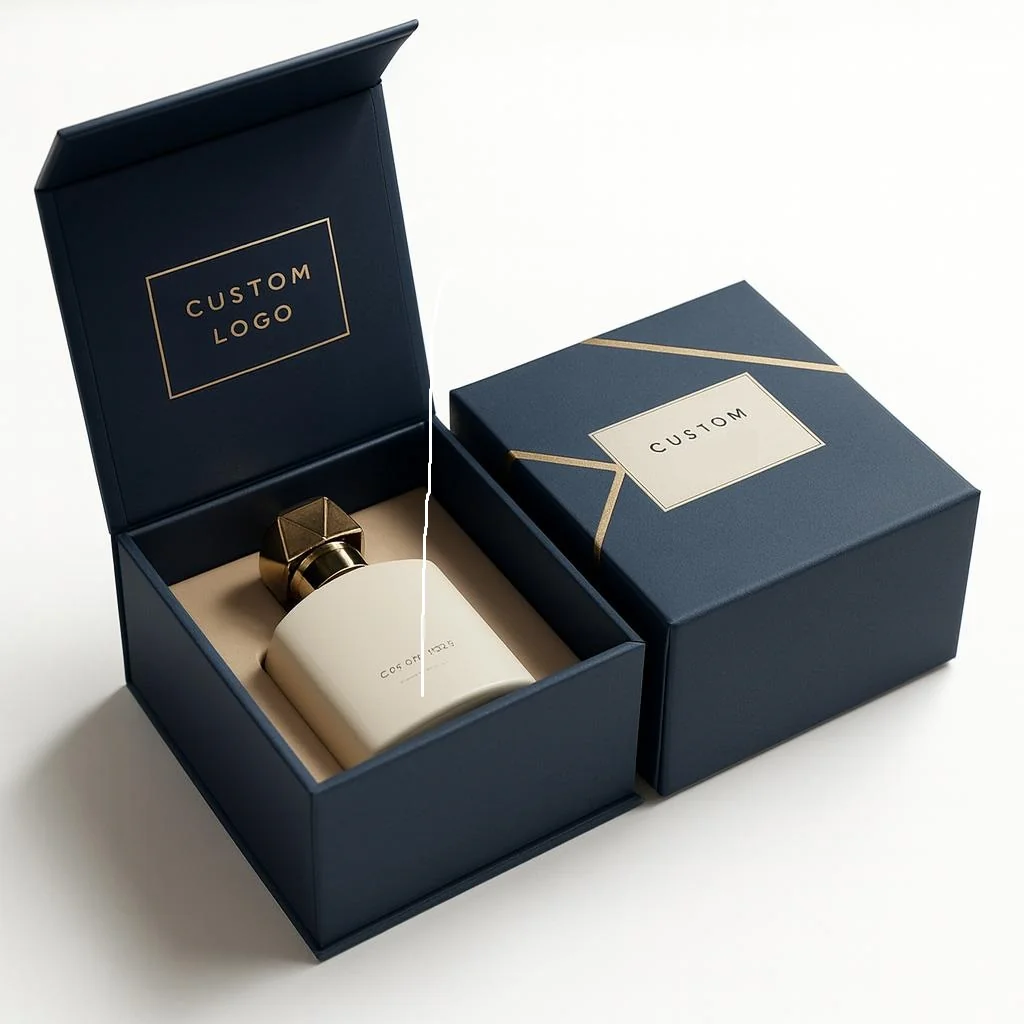
A magnetic gift box is a rigid paperboard box that uses concealed magnets to hold its hinged lid closed. Manufacturers typically build the structure with greyboard, wrap it with printed or specialty paper, and install magnets within the closure panels.
The hinged lid opens to reveal the product and interior presentation in one movement. This makes the structure suitable for products that benefit from a clear, presentation-led unboxing experience.
Main advantages of magnetic boxes
1. A strong presentation experience
The hinged lid creates a wide opening and lets customers see the contents immediately. Brands can also print a message, logo or decorative design on the inside lid to strengthen the presentation.
2. A convenient closing mechanism
Concealed magnets provide a simple closing action without an exposed buckle or ribbon tie. The box can also support repeated opening and closing when the structure and magnet placement work correctly.
3. Flexible interior design
A magnetic box can accommodate paperboard inserts, EVA foam, sponge or other suitable internal supports. Brands can arrange one product in the center or organize several products in separate compartments.
4. A suitable structure for premium gift collections
The solid board construction and hinged opening make magnetic boxes a popular choice for product launches, corporate gifts, cosmetics and fragrance collections.
Where do magnetic boxes work best?
- Perfume and cosmetic sets: The wide opening allows customers to view the main product and accessories together.
- Corporate gifts: Brands can add a message or company identity inside the lid.
- Electronics accessories: A fitted insert can hold several components in an organized layout.
- Premium retail collections: The rigid construction supports a structured presentation.
What should buyers consider?
Magnetic closures need accurate positioning. If the magnets do not align correctly, the lid may close unevenly or fail to hold securely.
The hinge also needs attention. Excessive tension, poor wrapping or incorrect board dimensions can affect the opening movement. During sample approval, check the lid alignment, closure force, hinge movement and insert fit.
3. What Are Drawer Gift Boxes?
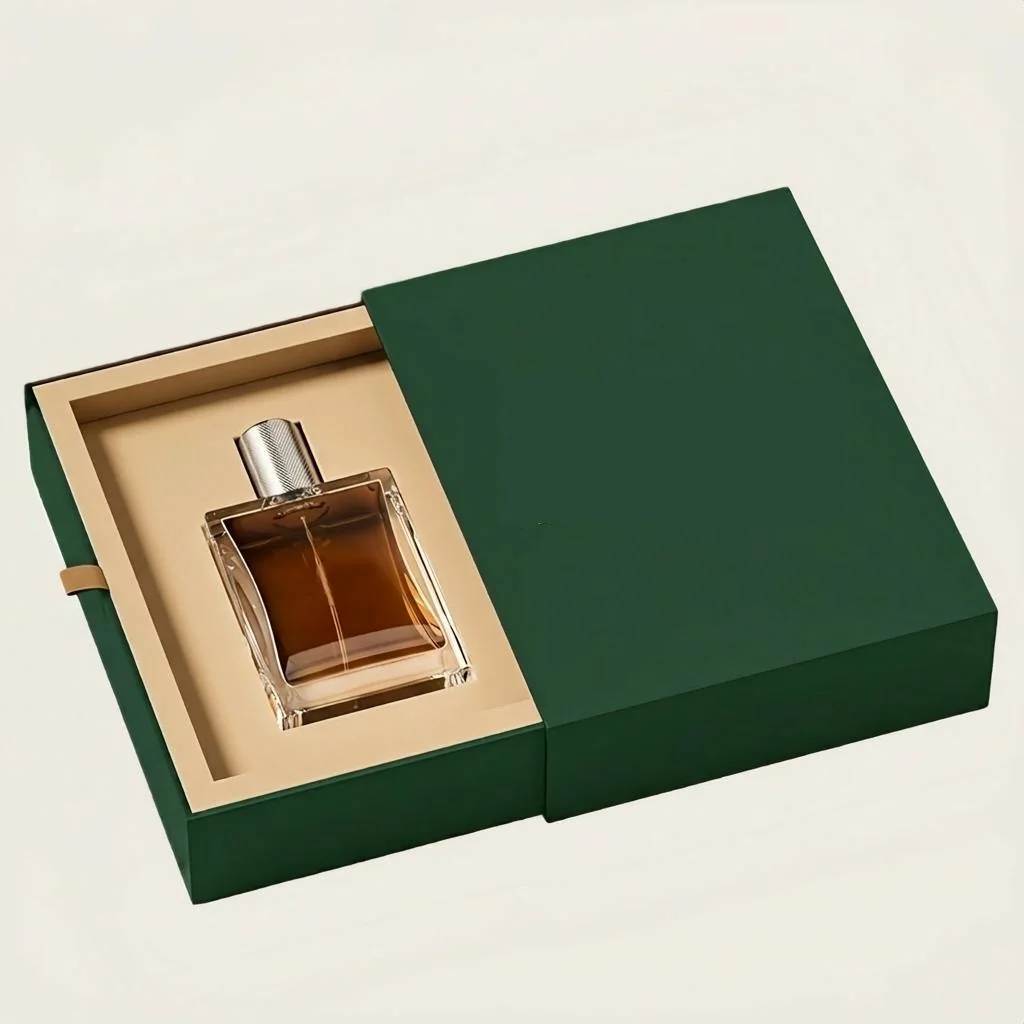
A drawer gift box consists of two main components: an outer sleeve and an inner tray. The tray slides through the sleeve, usually with a ribbon pull, fabric tab or thumb notch.
This structure creates a different opening experience. Instead of lifting a lid, the customer pulls the inner compartment outward to reveal the product.
Main advantages of drawer boxes
1. A gradual unboxing experience
The sliding movement reveals the contents step by step. This works well for brands that want to create a more interactive opening experience.
2. Flexible compartment arrangements
The inner tray can hold several products, accessories, cards or instructions. A custom insert helps keep each item in its intended position.
3. A clean exterior appearance
The outer sleeve provides a continuous branding surface. Brands can print graphics, add foil stamping or use specialty paper to create a distinctive appearance.
4. Convenient product organization
Drawer boxes suit products that need separate compartments or a defined arrangement. They can also provide a practical storage format for small accessories.
Where do drawer boxes work best?
- Jewelry: Separate compartments can hold rings, necklaces, bracelets or earrings.
- Beauty gift sets: The inner tray can organize bottles, jars and accessories.
- Small accessories: The tray can hold watches, fashion accessories or electronic components.
- Promotional kits: Brands can arrange samples, cards and small products in one package.
What should buyers consider?
The inner tray must slide smoothly without feeling too loose or too tight. If the clearance is insufficient, customers may struggle to open the box. Excessive clearance can make the tray move too freely or feel poorly fitted.
The pull ribbon or thumb notch also needs careful positioning. A ribbon that sits too deep may become difficult to grip, while an incorrectly sized sleeve can affect the entire opening experience.
For this reason, approve a physical sample with the actual product and insert before mass production.
4. Magnetic vs. Drawer Boxes: Which One Costs More?
There is no universal price winner. A supplier cannot accurately compare the cost of these two structures without knowing the dimensions, materials, finishing, insert design and order quantity.
A magnetic box requires a hinged construction and magnetic components. A drawer box requires an outer sleeve, an inner tray and a controlled sliding fit. Both structures may involve hand assembly and additional finishing work.
The following factors influence the quotation:
| Cost factor | Magnetic Gift Boxes | Drawer Gift Boxes |
|---|---|---|
| Board material | Depends on dimensions and required rigidity | Depends on sleeve and tray dimensions |
| Structure | Hinged lid and magnetic closure | Separate sleeve and sliding tray |
| Additional components | Magnets and possible accessories | Ribbon pull, thumb notch or other pull detail |
| Insert | Optional paperboard, EVA or other insert | Optional insert fitted inside the tray |
| Finishing | Printing, foil, embossing, lamination and other effects | Similar finishing options for sleeve and tray |
| Assembly | Magnet installation, wrapping and box assembly | Tray and sleeve assembly, fitting and inspection |
| Packing and freight | Depends on whether the box ships assembled or collapsible | Depends on tray and sleeve construction and packing method |
How to compare quotations fairly
When requesting prices, send the same project specifications to each supplier:
- Finished box dimensions.
- Product dimensions and weight.
- Preferred structure and closure.
- Greyboard thickness and wrapping paper requirements.
- Printing and surface finishing details.
- Insert material and compartment layout.
- Order quantity and delivery destination.
Ask the supplier to quote both structures using the same product, material grade, finishing and insert requirements. This gives you a more useful comparison than comparing two prices based on different specifications.
Also consider the total landed cost. A box with a lower unit price may require more storage space, different shipping cartons or additional assembly at the packing facility.
5. Which Structure Creates a Better Unboxing Experience?
The opening action influences how customers interact with the package.
A magnetic box presents the product immediately. Customers lift the lid and see the contents in one view. This works well when the brand wants to highlight the product, a coordinated set or an interior message.
A drawer box reveals the product gradually. Customers pull the tray outward, creating a more deliberate opening sequence. This can work especially well for jewelry, accessories and multi-piece gift sets.
The better experience depends on what the brand wants customers to notice first.
| Brand objective | Recommended structure | Reason |
|---|---|---|
| Reveal a complete product set immediately | Magnetic box | The hinged lid opens the full presentation area |
| Create a gradual reveal | Drawer box | The sliding tray adds an interactive opening step |
| Display a message inside the lid | Magnetic box | The inside lid offers a visible branding area |
| Organize several small products | Drawer box | The inner tray supports compartment layouts |
| Present a single premium product | Either structure | The insert and overall design matter more than the opening style |
| Create a reusable storage package | Either structure | Material quality, construction and fit determine long-term usability |
Do not choose a structure based on appearance alone. Consider how customers will hold, open, close and store the package.
6. Materials, Inserts and Finishing Options
Both magnetic and drawer boxes can use similar paper-based materials and decorative finishes. The structure does not limit the brand to one particular exterior design.
Common materials
| Material | Typical role |
|---|---|
| Greyboard | Provides the rigid core and structural support |
| Art paper | Offers a smooth surface for printed graphics |
| Kraft paper | Creates a natural paper appearance |
| Specialty paper | Adds texture, color or distinctive surface effects |
| Coated paper | Supports detailed printing and selected finishing processes |
The board specification should match the box dimensions and product weight. A large box needs more structural consideration than a small box for lightweight jewelry.
Insert options
The insert should fit the product and the intended packing process.
- Paperboard inserts: Suitable for many lightweight products and compartment layouts.
- EVA foam: Useful when a product needs a shaped cavity and a close fit.
- Sponge or foam: Can support selected products that need cushioning.
- Fabric-wrapped inserts: Offer a softer presentation for certain jewelry and premium gift applications.
Choose the insert together with the box structure. Designing the box first and adding the insert later can create fit problems or waste internal space.
Printing and finishing
Both structures can support:
- Full-color printing
- Hot foil stamping
- Embossing and debossing
- Spot UV
- Matte or gloss lamination
- Specialty textured paper
A restrained combination often works better than applying too many effects. For example, a textured paper with a foil logo may create a clear brand identity without adding unnecessary decorative elements.
7. How to Choose the Right Box for Your Product
The most practical approach is to evaluate the product, customer experience and production requirements together.
Choose a magnetic box if:
- You want customers to see the full product arrangement immediately.
- Your design includes an interior lid message or branding.
- You need a hinged closure with concealed magnets.
- Your product suits a presentation-style opening.
- You plan a premium gift set or corporate gift package.
Choose a drawer box if:
- You want a sliding opening experience.
- Your product needs several organized compartments.
- You want a pull ribbon or thumb notch.
- Your products are relatively compact and fit comfortably inside a sliding tray.
- You want the package to double as a small storage case.
Consider a different rigid box structure if neither option fits
Not every premium product needs a magnetic or drawer structure. A two-piece lid-and-base box may offer a simpler solution for products that need a classic presentation without a hinged lid or sliding tray.
For projects where storage and freight volume matter, ask whether a collapsible rigid box can meet your requirements. Its suitability depends on the structure, assembly process and product weight.
8. What Should You Prepare Before Requesting a Quote?
A packaging manufacturer can recommend a more suitable structure when you provide clear project information.
Prepare the following details:
| Information | What to provide |
|---|---|
| Product details | Product name, dimensions, weight and photographs |
| Box size | Required internal dimensions or product measurements |
| Box style | Magnetic, drawer or another preferred structure |
| Material | Greyboard, wrapping paper and preferred surface |
| Insert | Material, number of compartments and layout |
| Branding | Logo, artwork and finishing requirements |
| Quantity | Estimated order volume and possible repeat orders |
| Delivery | Destination country and required delivery date |
If you are unsure which structure suits your product, share the product dimensions and a reference image with the supplier. The manufacturer can review the requirements and suggest suitable options before sampling.
FAQ
A magnetic gift box uses a hinged lid and concealed magnets to close the package. A drawer gift box uses an inner tray that slides through an outer sleeve. Magnetic boxes reveal the contents immediately, while drawer boxes create a gradual opening experience.
Not necessarily. The cost depends on box dimensions, board specifications, magnets, tray construction, inserts, finishing, quantity and assembly requirements. Request quotations for both structures using the same specifications before making a decision.
Yes. Drawer boxes can create a refined presentation through specialty paper, foil stamping, custom inserts and precise tray fitting. They work particularly well for jewelry, accessories, cosmetics and compact gift sets.
Both structures can suit perfume products. A magnetic box works well when the brand wants to present the perfume and accessories together. A drawer box can organize perfume bottles, samples and other items in separate compartments. The insert must match the bottle dimensions and weight.
Yes. Both structures can use greyboard, art paper, kraft paper and specialty wrapping paper. They can also support printing, hot foil stamping, embossing, debossing and spot UV. The final choice depends on the design and manufacturing requirements.
Yes. A manufacturer can customize the box dimensions, insert layout, paper selection, printing and finishing. Share the actual product measurements and weight so the supplier can assess the structure and recommend a suitable insert.qqq
Start with the product’s size, weight and number of components. Then consider the opening experience, insert requirements, brand presentation, production budget and shipping method. Compare samples with the actual product before approving mass production.