
Table of contents
Choosing the right board is one of the most important decisions in custom packaging production. The material affects a box’s strength, appearance, weight, printing quality and manufacturing cost. However, rigid boxes and folding cartons have different structural requirements, so they rarely use the same board specification.
Rigid boxes typically use thick greyboard or chipboard as a structural core, while folding cartons usually use thinner paperboard grades such as SBS, FBB and kraft board. Greyboard provides the rigidity needed for premium gift boxes, while folding carton boards offer the flexibility required for cutting, creasing and folding.
This paperboard selection guide explains how to choose suitable materials for both packaging types, compare common board grades and avoid specification mistakes that can affect your finished boxes.
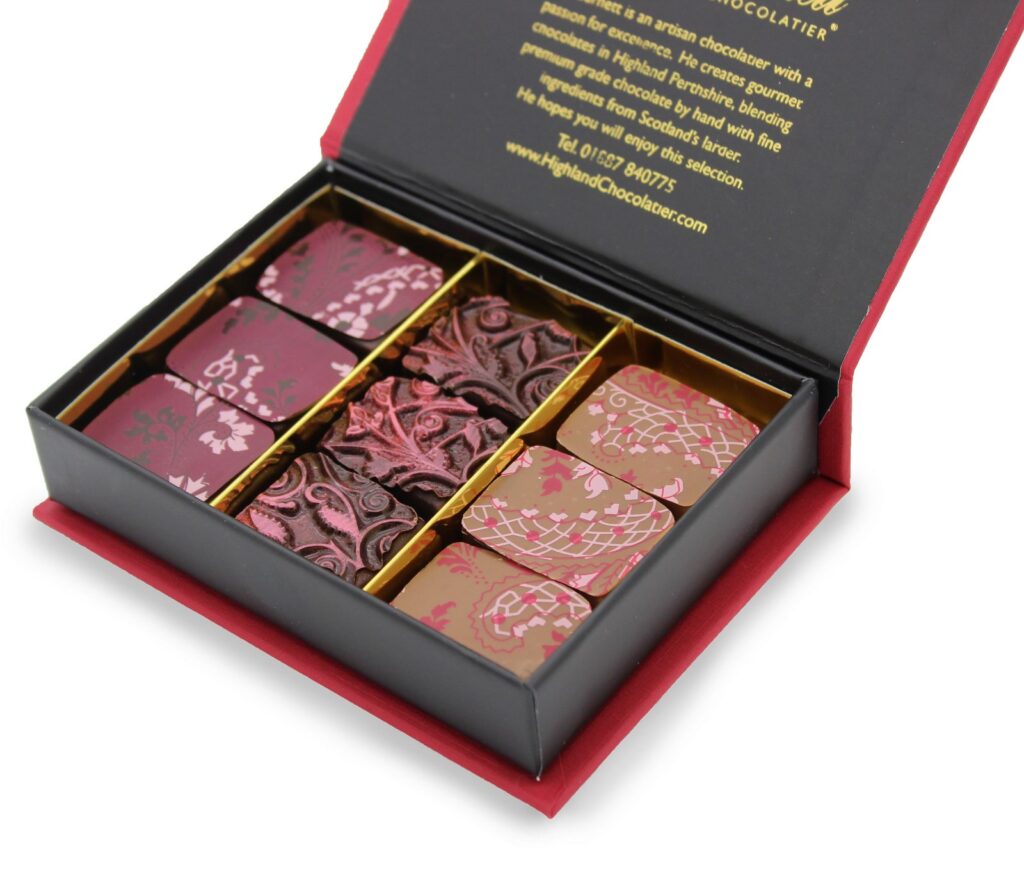
Rigid Boxes vs Folding Cartons – Board Requirements Differ
Rigid boxes and folding cartons may both use paper-based materials, but their manufacturing methods and structural purposes differ.
A rigid box uses a thick board core to maintain its shape. Manufacturers cut the board into panels, join the panels into a box structure and wrap the exterior with printed or decorative paper. The greyboard provides the strength; the wrapping paper creates the visible surface.
A folding carton uses a thinner, more flexible paperboard sheet. Manufacturers print, coat, die-cut and crease the sheet before folding it into the final box shape. The board must hold its structure while allowing clean folds and reliable gluing.
| Comparison factor | Rigid Boxes | Folding Cartons |
|---|---|---|
| Main structural material | Greyboard / chipboard | SBS, FBB, kraft or recycled paperboard |
| Typical construction | Thick board core with wrapped paper | Printed and folded paperboard sheet |
| Main requirement | Rigidity and shape retention | Folding performance and structural balance |
| Surface appearance | Depends on wrapping paper | Often printed directly onto the board |
| Common applications | Luxury gifts, perfume, jewelry, electronics | Cosmetics, food, pharmaceuticals, retail products |
| Main material consideration | Board thickness and rigidity | GSM, caliper, stiffness and creasing behavior |
This difference matters when you request custom packaging board. A material that works well as the core of a rigid gift box may not fold properly into a carton. Likewise, a thin folding carton board cannot automatically replace greyboard in a large rigid box.
Greyboard / Chipboard for Rigid Boxes (Thickness Guide)
Greyboard, also called chipboard in many packaging markets, forms the structural core of most conventional rigid paper boxes. Manufacturers commonly produce it from recycled paper fibers and use different thicknesses to meet different structural requirements.
The wrapping paper does not replace the greyboard’s structural role. Instead, it provides the printed design, texture and surface finish.
Common greyboard thicknesses
The following ranges offer general starting points for rigid box development. They are not universal specifications or guaranteed load ratings.
| Greyboard thickness | Typical applications | Design considerations |
|---|---|---|
| 1.0–1.2 mm | Small, lightweight rigid boxes | Suitable for compact structures with limited contents |
| 1.5 mm | Small gift and cosmetic boxes | A practical option for many compact rigid box designs |
| 1.8–2.0 mm | Medium-sized perfume, jewelry and gift boxes | Offers a more substantial structure for many retail applications |
| 2.0–2.5 mm | Larger gift boxes and premium rigid packaging | Consider box dimensions, product weight and panel support |
| 2.5–3.0 mm | Large or demanding rigid box structures | May require careful review of wrapping, corner construction and assembly |
A thicker board does not automatically create a better box. For example, a small jewelry box may not need the same greyboard thickness as a large corporate gift box. Excessive thickness can increase material use, weight and production difficulty without improving the customer’s experience.
What affects the right greyboard thickness?
1. Box dimensions
Large panels can bend or deform more easily than small panels. A large rigid box may need thicker board or additional structural support even when it holds a lightweight product.
2. Product weight
A box holding a glass perfume bottle, metal accessory or electronics product may need more support than one holding a lightweight promotional item.
3. Box structure
Drawer boxes, magnetic boxes, two-piece lid-and-base boxes and book-style boxes have different panel arrangements and stress points. The structure affects how the box distributes weight and handles repeated opening.
4. Wrapping and assembly requirements
Thicker greyboard can make tight corners, narrow edges and complex wrapping more difficult. The manufacturer must consider V-grooving, joint construction, wrapping paper and adhesive compatibility.
Greyboard or chipboard: Are they different?
In packaging discussions, people often use greyboard and chipboard to describe similar rigid paperboard materials. However, terminology varies by market and supplier. Some suppliers use “chipboard” for a broader range of paperboard products.
When ordering rigid boxes, specify the actual thickness, board grade and required performance rather than relying on the name alone.

SBS, FBB and Kraft for Folding Cartons
Folding cartons require board that can support the product while allowing clean die-cutting, creasing and folding. Three common choices include SBS, FBB and kraft board.
SBS (Solid Bleached Sulfate)
SBS uses bleached chemical pulp throughout its fiber structure. Its bright white surface provides a good background for detailed printing, small text and premium brand graphics.
Best suited for:
- Luxury cosmetic cartons.
- Perfume packaging.
- Premium retail products.
- Selected food and healthcare applications that require a suitable qualified grade.
SBS works well when appearance and print quality matter. However, it often costs more than some alternative grades, so it may not be necessary for simple packaging designs.
FBB (Folding Box Board)
FBB typically combines chemical pulp outer layers with a mechanical or high-yield pulp middle layer. This multi-layer structure helps balance stiffness and weight.
Best suited for:
- Cosmetics and personal care cartons.
- Confectionery and selected food packaging.
- Pharmaceutical cartons using suitable grades.
- General retail packaging.
FBB can offer a useful balance between printability, stiffness and material efficiency. Its reverse side may have a different color or appearance from SBS, depending on the grade.
Kraft Board
Kraft board generally uses unbleached kraft fibers and often has a natural brown appearance. Some grades feature a coated white printing surface, so not every kraft carton has a brown exterior.
Best suited for:
- Natural-style food cartons.
- Bakery packaging.
- Beverage carriers.
- Retail packaging with a simple, paper-focused appearance.
Kraft board can provide useful strength characteristics, but its natural base color affects printed colors. Designers should consider this when selecting artwork and ink coverage.
Quick comparison
| Board grade | Main advantage | Main limitation | Typical use |
|---|---|---|---|
| SBS | Bright white surface and strong print presentation | Often higher material cost | Premium cosmetics and perfume |
| FBB | Good stiffness-to-weight balance | Reverse-side appearance varies | General retail and food cartons |
| Kraft | Natural appearance and useful strength | Brown base can affect print colors | Bakery, food and natural-style products |
For more detail on these grades, see our guide to Paperboard Grades Explained: SBS vs FBB vs Kraft for Folding Cartons.
Key Decision Factors (Product Weight, Print Need, Budget)
A good material choice starts with the product and packaging requirements, not simply the board’s price or thickness.
1. Product weight and dimensions
Start with the product’s actual dimensions and weight. Consider whether the carton or rigid box needs to support the product alone or also withstand stacking, handling and transport.
A small, dense product may need a different structure from a larger but lightweight item. For rigid boxes, review greyboard thickness and panel size. For folding cartons, assess board stiffness, dimensions and bottom construction.
2. Printing and surface finishing
The material should support the appearance you want to achieve.
- Choose SBS when you need a bright white surface and detailed printing.
- Consider FBB when you need good print quality with an efficient stiffness-to-weight balance.
- Choose kraft when a natural paper appearance supports your brand identity.
- For rigid boxes, select wrapping paper according to the desired texture, color and finishing process.
Hot foil stamping, embossing, debossing, spot UV and lamination also require suitable surface materials and production settings.
3. Folding and manufacturing performance
Folding cartons need suitable grain direction, crease design and die-cutting accuracy. A board that looks good on a flat sheet may crack at the folds if its specification or converting setup does not suit the carton design.
Rigid boxes have different challenges. The greyboard must support accurate cutting, V-grooving, corner joining and wrapping. A board that is too thick for a particular structure can complicate the assembly process.
4. Budget and material efficiency
Compare materials based on the complete packaging specification rather than price per sheet alone.
For rigid boxes, consider greyboard thickness, wrapping paper, inserts, accessories and assembly. For folding cartons, consider board grade, grammage, sheet utilization, printing and finishing.
A slightly more expensive board may reduce production problems or allow a more efficient structure. The right choice should balance material cost with the finished box’s performance.
Recommended Board Combinations by Industry
Different industries have different packaging requirements. The following combinations provide starting points for discussion, not fixed specifications.
| Industry | Packaging type | Recommended board combination | Main consideration |
|---|---|---|---|
| Perfume | Rigid box | Greyboard core + specialty or art paper wrap | Premium presentation and bottle support |
| Perfume | Folding carton | SBS or FBB | Print quality and carton stiffness |
| Cosmetics | Rigid gift box | Greyboard core + printed paper wrap | Product arrangement and insert fit |
| Cosmetics | Folding carton | SBS or FBB | Detailed graphics and efficient retail packaging |
| Food | Folding carton | Suitable food-contact FBB, SBS or kraft grade | Grease, moisture and food-contact suitability |
| Jewelry | Rigid box | Greyboard core + specialty paper or fabric-style wrap | Compact structure and interior presentation |
| Electronics | Rigid box | Greyboard core + suitable protective insert | Product weight and internal protection |
| Bakery | Folding carton | Suitable kraft or white paperboard | Product fit, grease resistance and moisture control |
For food packaging, do not assume that a material is suitable for direct food contact simply because it is SBS, FBB or kraft. Check the specific grade, coating, inks, adhesives and intended contact conditions against the requirements of the destination market.
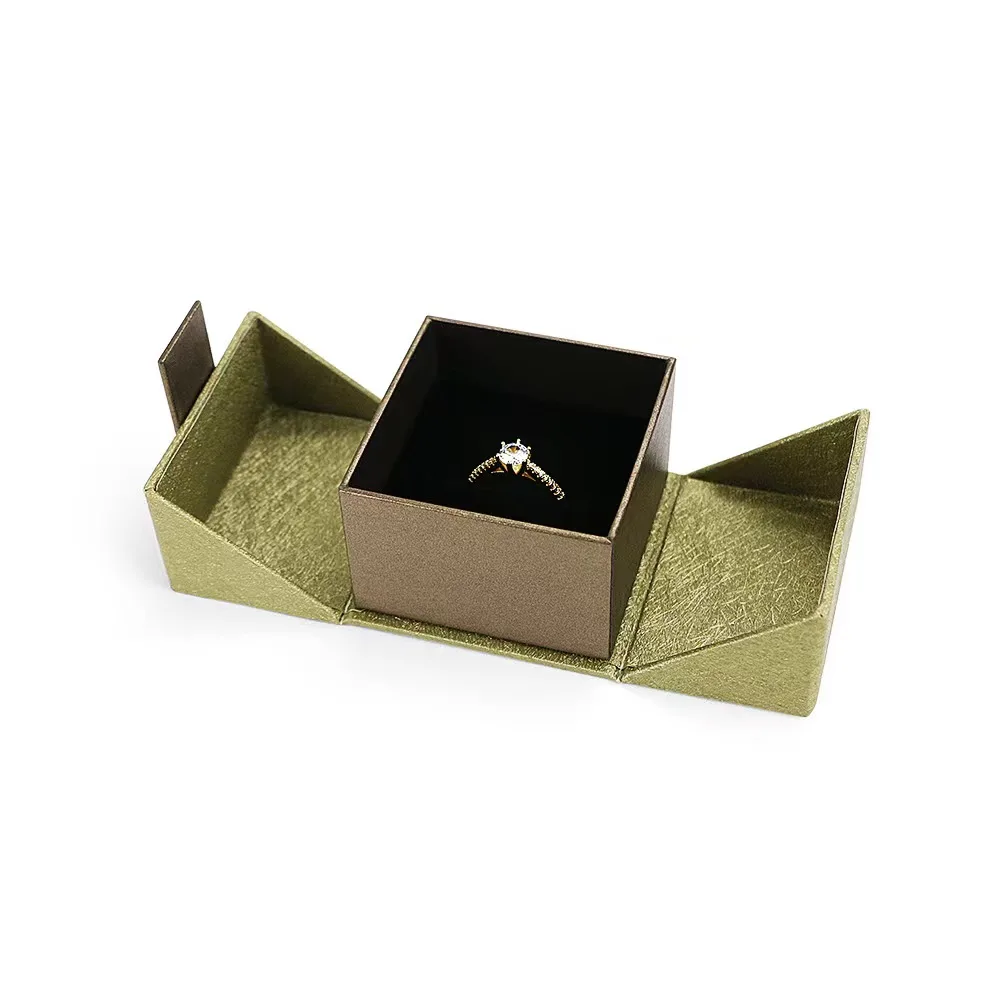
Common Mistakes When Specifying Board
Even a well-designed carton or rigid box can develop problems when the buyer provides incomplete material specifications.
1. Choosing board by GSM alone
GSM measures the weight of paperboard per square meter. It does not directly tell you the board’s thickness or stiffness. Two grades with the same GSM can perform differently because of their fiber composition and construction.
For folding cartons, review GSM, caliper and stiffness together. For rigid boxes, specify greyboard thickness and relevant structural requirements.
2. Using the same material for rigid boxes and folding cartons
Rigid boxes need a thick structural core, while folding cartons need board that can crease and fold reliably. These materials serve different purposes and should not be treated as interchangeable.
3. Ignoring box dimensions
A material that works well for a small carton may not provide enough support for a larger design. Always evaluate the board together with the finished dimensions and product weight.
4. Selecting a premium grade without a clear reason
SBS may provide excellent printing performance, but a simple kraft or FBB carton may meet the product’s needs at a more suitable cost. Match the grade to the actual design and use case.
5. Skipping sample approval
A material specification cannot reveal every production issue. Approve a physical sample to check printing, folding, wrapping, box dimensions, lid fit and insert compatibility before mass production.
FAQ
Greyboard or chipboard is the common structural core for custom rigid boxes. The right thickness depends on box dimensions, product weight, structure and assembly requirements. Manufacturers then wrap the core with art paper, specialty paper, kraft paper or other suitable materials.
Greyboard is a thick structural board commonly used inside rigid boxes. SBS is a white folding carton board made from bleached chemical pulp and often selected for its printing surface. They serve different packaging functions and are not direct substitutes.
Small rigid boxes may use around 1.0–1.5 mm greyboard, while many medium-sized and larger designs may require around 1.8–3.0 mm. These ranges are starting points only. Ask the manufacturer to assess the actual box dimensions, weight and structure.
Neither grade is universally better. SBS suits designs that need a bright white surface and detailed printing. FBB often provides a useful balance of stiffness, printability and weight. Choose according to the product, artwork and budget.
Yes. Kraft board can support premium packaging when its natural appearance fits the brand. Specialty printing, foil stamping and well-designed structures can create a refined result. Some kraft grades also offer coated surfaces for more detailed graphics.
Chipboard commonly refers to paperboard made from recovered fibers and serves as a structural core in rigid boxes. Depending on the market and supplier, the term may cover different products, so buyers should confirm the grade and thickness.
Start with product dimensions, weight, packaging structure, print requirements and budget. Then compare board grades, thickness, caliper and stiffness. Request a sample and confirm the exact material specification before approving mass production.