
Box Types & Structures
The type and structure of a packaging box primarily refer to the style and structure of paper-based packaging used to contain, protect, and display products. The structure of a packaging box determines its folding, locking, support, and assembly methods, and directly impacts its strength, functionality, appearance, and suitability for mass production.
In the process of custom paper packaging, the structural design is mainly developed based on factors such as product size and weight, product protection requirements, logistics and transportation conditions, and packaging production efficiency. Several common packaging structure types in daily life include: rigid boxes, folding cartons, corrugated cardboard boxes, mailing boxes, and display boxes, each with its unique structural style, design principles, and application scenarios.
*Authority Note *
This section explains packaging box structures based on standard die-cutting, folding, and assembly practices used in industrial paper packaging manufacturing.
Topics Covered
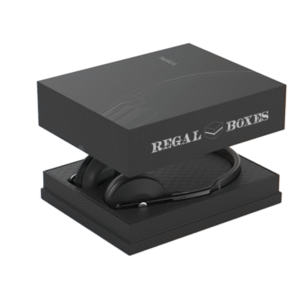
Rigid Box Structures
Lift-off Lid, Hinged Lid, and Magnetic Closure Explained Definition Rigid box structures refer to the structural designs used in rigid
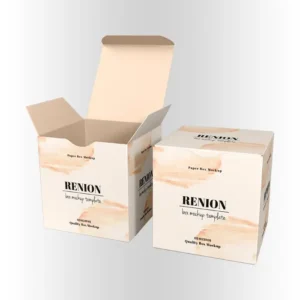
Folding Carton Structures (Tuck End, Auto Lock Bottom, Straight Tuck End)
Folding Cartons in Retail Packaging Folding cartons are one of the most widely used packaging formats in consumer product packaging.
Core Structural Concepts
Structural Strength and Load Bearing
The structural design of a packaging box is usually what determines its compressive strength, impact resistance, and resistance to deformation.
Factors such as the thickness of the cardboard, the type of corrugation, the dimensions of the facing paper, and the locking mechanism directly affect the stacking strength and load-bearing capacity of the box. This is most evident during transportation and storage, and is one of the key factors determining the quality of product packaging.
Folding Lines and Crease Recovery
The way the packaging box is folded and forms its final shape is controlled by the crease design. Appropriate crease depth and width ensure accurate folding of the packaging, reduce cracking, and maintain the structural stability of the packaging during repeated opening and closing.
Locking and Closure Systems
Common packaging closure methods include: flip-top, automatic bottom closure, magnetic closure, and tie-string closure.
The choice of closure method directly impacts user experience, product assembly efficiency, and production costs.
Inner Support Structures
Components such as inserts and internal trays are specifically designed to provide positioning and cushioning for the product. They can be made from cardboard, molded pulp, EVA foam, or corrugated cardboard, with the choice of material depending on the product’s weight, fragility, and packaging appearance requirements.
Manufacturing Perspective
From a manufacturing perspective, the development of packaging box structures is generally based on the efficiency of die-cutting layouts, material utilization, and assembly consistency. Engineers design cutting dies to optimize material usage, minimize waste, and ensure precise folding and alignment.
Rigid boxes require manual or semi-automatic assembly, while the design of folding cartons and corrugated boxes is more suitable for automated gluing and rapid forming. Strict control over packaging structure consistency is crucial to ensure that all components, such as lids, drawers, and inserts, fit together perfectly in large-scale production.
In mass production, well-designed packaging structures must also consider factors such as appearance, strength, assembly efficiency, and cost.
Standard Industry Definition
Packaging box structure refers to the physical form of paper packaging engineering, which is entirely determined by its die-cut pattern, folding lines, locking method, and assembly method.
It determines how the packaging box is formed, how the packaging supports the product, and its performance during handling, transportation, and storage in mass production.
Related Knowledge Areas
Packaging Basics
Definitions and fundamentals of custom paper packaging, including basic box types, materials, and applications.
Materials & Surface Finishing
Key packaging materials and surface finishing techniques used in custom paper packaging.
Manufacturing Process
How custom packaging boxes are manufactured, from production steps to quality control.
Cost, MOQ & Lead Time
Essential information on packaging costs, minimum order quantities, and production lead times.
Sustainability & Certifications
Sustainable packaging materials and certifications for responsible packaging solutions.
Frequently Asked Questions (FAQ)
What is the difference between rigid boxes and folding cartons?
Besides the difference in materials used, there is also a difference in the delivery method between rigid boxes and folding cartons.
Rigid boxes are made from thick grey cardboard, delivered pre-assembled, and offer high strength and a premium appearance.
Folding cartons are made from cardboard, delivered in a flat-packed form, and require self-assembly.
What is a corrugated box structure?
A corrugated box structure uses fluted corrugated board between liner papers, providing cushioning and stacking strength for shipping and logistics.
What is a tuck end box?
A tuck end box is a folding carton structure where the top and bottom flaps are inserted into the box for closure.
What is an auto-lock bottom box?
An auto-lock bottom box has a pre-glued base that automatically forms and locks when opened, providing higher load capacity.
Why are inserts used inside packaging boxes?
Inserts secure the product, prevent movement, and improve protection and presentation.
Why Trust This Section
- Based on standard structural design principles used in paper packaging manufacturing
- Written from an engineering and mass-production perspective
- Reflects common die-cutting, folding, and assembly practices
- Covers rigid, folding, and corrugated box structures used in bulk OEM production
- Focuses on functional performance, not marketing descriptions
- Intended for brands and businesses sourcing custom packaging in large quantities