
Table of Contents
The shift from plastic to paper in cosmetic product packaging is no longer a trend—it is becoming an industry standard. In 2026, more top-tier beauty brands are actively replacing plastic components with paper-based solutions. This transition is driven by three key forces: regulatory pressure, evolving consumer expectations, and the design flexibility that paper materials offer.
From a packaging manufacturing perspective, this shift is not simply about changing materials. It requires rethinking structure, durability, printing, and supply chain processes. Brands that adapt early are already gaining both market and compliance advantages.
Policy and Regulatory Pressure
Governments around the world are tightening restrictions on plastic packaging, especially single-use plastics. The European Union’s Packaging and Packaging Waste Regulation (PPWR) is one of the most influential policies shaping the industry.
According to the European Commission, new regulations aim to:
- Reduce unnecessary packaging
- Increase recyclability requirements
- Mandate higher use of recycled materials
In parallel, several countries have implemented or expanded plastic bans. For example, France has introduced stricter rules on plastic use in cosmetics packaging, especially for smaller formats.
These policies are not optional. Brands that fail to comply risk losing access to key markets. As a result, sustainable cosmetics boxes and paper-based alternatives are becoming a strategic necessity rather than a branding choice.
Consumer Preference Is Driving the Change
Consumer behavior is another major force behind this shift. Sustainability is no longer a niche concern—it directly influences purchasing decisions.
Research from McKinsey & Company shows that:
- Over 60% of consumers are willing to pay more for sustainable packaging
- Younger consumers place even higher value on eco-friendly products
In the beauty sector, packaging is closely tied to brand perception. Plastic packaging is increasingly associated with environmental impact, while paper-based solutions signal responsibility and transparency.
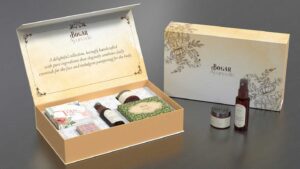
This is why many brands are investing in luxury cosmetic packaging made from paper materials. It allows them to maintain a premium look while aligning with sustainability expectations.
The Design Advantage of Paper Packaging
Beyond sustainability, paper offers something plastic cannot: unlimited design flexibility.
Paper-based packaging supports:
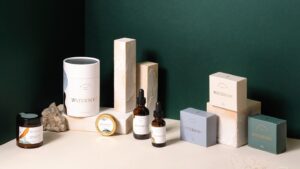
- Complex structures (folding cartons, rigid boxes, tubes)
- Advanced printing techniques (offset, digital, Pantone matching)
- Premium finishes (embossing, foil stamping, soft-touch coatings)
Eco-friendly paper tubes, for example, are increasingly used for products like lip balms, skincare sticks, and solid perfumes. They provide both functionality and a unique tactile experience.
In addition, paper allows for easier customization. Brands can quickly adapt designs for seasonal campaigns, limited editions, or regional markets without major tooling changes.
Material Innovation and Performance Improvements
One of the biggest concerns in replacing plastic has always been performance. However, recent material innovations have significantly improved paper packaging capabilities.
Modern paper solutions now offer:
- Improved moisture resistance through water-based coatings
- Stronger structural integrity using multi-layer board
- Compatibility with refillable systems
According to industry data from Smithers, the global market for sustainable packaging is expected to grow steadily, driven by innovation in paper-based materials and coatings.
These advancements make it possible for paper packaging to meet both functional and aesthetic requirements in cosmetic product packaging.
Cost and Supply Chain Considerations
While paper packaging can sometimes have higher initial costs, it offers long-term advantages:
- Reduced environmental compliance risks
- Lower shipping weight in some formats
- Easier recyclability, reducing waste management costs
In addition, supply chains are adapting. More suppliers are investing in paper-based solutions, making materials more accessible and scalable.
For packaging manufacturers, this means shifting production capabilities—from plastic molding to paper converting and rigid box production.
Brand Positioning and Market Differentiation
Sustainability is now part of brand identity. Companies that adopt eco-friendly packaging early are seen as more responsible and forward-thinking.
Paper-based packaging allows brands to:
- Communicate environmental values clearly
- Differentiate from competitors still using plastic
- Enhance perceived product quality
In premium segments, luxury cosmetic packaging made from paper is no longer seen as a compromise—it is becoming the preferred choice.
Final Insight
The transition from plastic to paper packaging in the cosmetics industry is driven by a combination of regulation, consumer demand, and technological advancement. It is not a temporary shift but a long-term transformation.
Brands that invest in eco-friendly paper tubes and sustainable cosmetics boxes today are not only meeting current expectations—they are preparing for future market standards.
For manufacturers and brands alike, the focus should now be on balancing sustainability, performance, and design to create packaging that truly adds value.
FAQ
Mainly due to stricter regulations, environmental concerns, and changing consumer preferences.
Yes. Modern materials and coatings have improved strength and moisture resistance significantly.
Lip balms, skincare sticks, creams (with liners), and secondary packaging boxes are common applications.
They are used for solid cosmetics like deodorants, balms, and perfumes.
It can be initially, but offers long-term benefits in branding and compliance.
Yes. Many premium brands now use paper-based luxury cosmetic packaging with high-end finishes.
It depends on sourcing and production, but FSC-certified and recyclable materials make it significantly more sustainable than plastic.