
Table of Contents
In competitive markets today, packaging is no longer just a container—it is a direct extension of your brand. Well-designed branded packaging helps products stand out, communicate value, and build customer trust from the first interaction. Whether it’s food, jewelry, or a premium gift, the right packaging can shape how customers see quality. It can also affect whether they buy.
From decades of experience in custom paper packaging manufacturing, one thing is clear: brands that invest early in structure, design, and consistency tend to scale faster and build stronger recognition. Packaging is not just about protection—it is about storytelling.
According to a study by the Paper and Packaging Board, 72% of consumers say packaging design influences their purchasing decisions. This shows how critical packaging has become in modern retail and e-commerce environments.
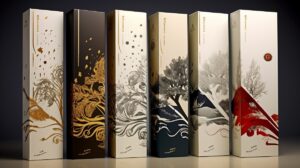
What Is Branded Packaging
Branded packaging refers to packaging designed specifically to reflect a company’s identity. This includes:
- Logo placement
- Color systems
- Typography
- Structural design
- Finishing techniques
Unlike generic packaging, it is customized to create a consistent and recognizable brand experience. This is why many businesses invest in custom boxes rather than standard off-the-shelf solutions.
In industries such as food and jewelry, packaging often becomes part of the product itself. For example, branded food packaging must communicate freshness and safety, while branded jewelry packaging must convey luxury and exclusivity.
Common Types of Branded Packaging
Different industries require different structures. Choosing the right type depends on product category, price point, and sales channel.
1. Folding Carton Boxes
Folding cartons are one of the most widely used packaging types.
- Made from paperboard
- Lightweight and cost-effective
- Suitable for high-volume production
They are commonly used for:
- Skincare and cosmetics
- Food products
- Small retail items
According to data from the Flexible Packaging Association, paper-based packaging formats account for a significant share of retail packaging due to their recyclability and cost efficiency.
2. Rigid Boxes (Luxury Packaging)
Rigid boxes are used for premium products and gifting.
- Made from thick greyboard
- Strong and durable
- High-end appearance
Common structures:
- Lid-and-base boxes
- Magnetic closure boxes
- Drawer boxes
These are widely used in branded jewelry packaging and luxury gift boxes, where presentation plays a major role in perceived value.
3. Corrugated Boxes
Corrugated boxes are mainly used for shipping and protection.
- Multi-layer structure
- High strength
- Suitable for e-commerce
According to FEFCO, over 80% of goods in Europe are shipped in corrugated packaging. This shows its key role in logistics.
4. Window Boxes
Window boxes allow customers to see the product inside.
- Paperboard structure with a transparent window
- Enhances visibility and trust
- Common in food and toy packaging
This format is widely used in branded food packaging, especially for bakery and confectionery products.
5. Drawer and Slide Boxes
Drawer boxes offer a more interactive unboxing experience.
- Sliding inner tray
- Strong structure
- Premium feel
Often used for:
- Electronics accessories
- Gift sets
- Mid-to-high-end retail products
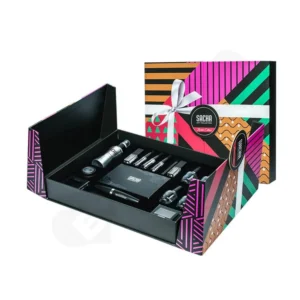
Creative Elements in Branded Packaging
Structure alone is not enough. Creative elements are what make packaging memorable and effective.
1. Color and Visual Identity
Color is one of the most powerful branding tools. Consistent use of brand colors helps customers recognize products instantly.
According to research by the Pantone, consistent color increases brand recognition by up to 80%. This is why brands carefully control color across all packaging.
2. Printing and Finishing Techniques
Printing quality directly affects how premium a product feels.
Common techniques include:
- Offset printing for high-quality graphics
- Foil stamping for metallic accents
- Embossing and debossing for texture
- Spot UV for highlighting key areas
Using one or two finishing techniques effectively is often better than overloading the design.
3. Structural Design and Functionality
Good packaging is not only attractive—it must also function well.
- Easy opening mechanisms
- Secure product placement
- Efficient use of space
For example, magnetic closure boxes create a smooth opening experience, while inserts ensure product stability.
4. Sustainability and Material Choice
Sustainability is becoming a key factor in packaging decisions.
- FSC-certified paperboard
- Recyclable materials
- Reduced material usage
According to the McKinsey & Company, over 60% of consumers are willing to pay more for sustainable packaging. This makes eco-friendly design not just a responsibility, but a competitive advantage.
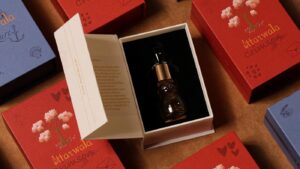
Industry Applications of Branded Packaging
Different industries apply branded packaging in different ways.
Branded Food Packaging
Food packaging must balance branding with safety and compliance.
- Clear labeling and product visibility
- Food-safe materials
- Attractive design for shelf appeal
Packaging in this sector often drives impulse purchases, especially in retail environments.
Branded Jewelry Packaging
In jewelry, packaging is part of the product experience.
- Rigid boxes with soft inserts
- Premium materials such as velvet or specialty paper
- Minimalist but precise branding
This type of packaging often becomes a keepsake, extending brand exposure.
Retail and E-commerce Packaging
For online sales, packaging must perform both visually and structurally.
- Durable for shipping
- Compact to reduce costs
- Designed for unboxing experience
Brands increasingly use custom boxes to create a consistent experience across both online and offline channels.
Key Considerations When Designing Branded Packaging
When developing packaging, brands should consider:
- Target market and price positioning
- Product protection requirements
- Production cost and scalability
- Brand consistency across product lines
The goal is to create packaging that not only looks good but also supports business growth.
Final Insight
Branded packaging is no longer optional—it is a strategic tool that affects how products are perceived and how brands grow. From folding cartons to rigid boxes, each package type serves a purpose. The real value comes from how well it fits your brand identity.
Companies that invest in thoughtful design, consistent materials, and functional structures will gain a clear advantage in competitive markets. Over time, packaging itself becomes part of the brand story.
FAQ
It is packaging designed to reflect a brand’s identity through colors, logos, structure, and materials.
It improves product visibility, builds trust, and influences purchasing decisions.
Food, jewelry, cosmetics, electronics, and luxury goods all benefit significantly.
Paperboard, greyboard, and corrugated materials are the most widely used.
Yes. Many manufacturers offer flexible MOQs to support small brands.
Good packaging enhances unboxing, protects products, and reinforces brand perception.
It can be slightly higher in cost, but it adds long-term value and brand credibility.