
Table of Contends
The cosmetics industry has long relied on visually appealing packaging to attract consumers. However, behind the premium finishes and intricate structures lies a growing environmental challenge.
Today, eco-friendly cosmetic packaging is no longer a small niche idea, instead becoming a core necessity. Regulations, evolving consumer habits, and ongoing shifts across supply chains fuel this change.
From a manufacturing perspective, custom cosmetic packaging has traditionally focused on aesthetics, durability, and branding. But the market is shifting rapidly. People now expect brands to balance visual appeal, functionality, and sustainability—an equation far more complex than before.
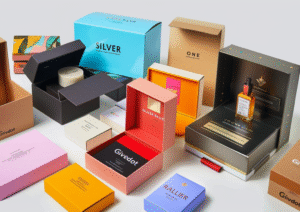
The Current State of Cosmetic Packaging
The global beauty industry produces massive volumes of packaging every year, most of which is single-use. According to industry data, over 120 billion cosmetic packages are produced each year. A large number of them are made of plastic.
Plastic remains dominant because of its:
- Flexibility in design
- Strong barrier protection
- Cost efficiency
In fact, plastic still accounts for over 60% of cosmetic packaging materials globally .
However, this dominance comes with significant drawbacks:
- Low recycling rates (global plastic recycling is still below 10%)
- High environmental impact
- Increasing regulatory pressure (especially in the EU and North America)
At the same time, consumer expectations are changing rapidly. Studies show that:
- Over 60% of consumers prefer sustainable beauty products
- More than 50% are willing to pay a premium for eco-friendly options
This shift is forcing brands and packaging manufacturers to rethink how cosmetic boxes are designed, produced, and disposed of.
Materials and Processes in Modern Cosmetic Packaging
To understand the shift to sustainability, it helps to review today’s packaging materials and production processes.
Common Materials
Traditional cosmetic packaging relies on:
- Virgin plastic (PET, PP, ABS)
- Glass (for premium skincare and fragrance)
- Paperboard for secondary cosmetic boxes
Sustainable alternatives now gaining traction include:
- Post-consumer recycled (PCR) plastics
- FSC-certified paperboard
- Biodegradable materials (PLA, molded pulp)
- Refillable systems and reusable containers
Major brands are already transitioning. For example, leading companies are targeting up to 50% recycled plastic content in packaging within this decade .
Key Manufacturing Processes
From a packaging factory perspective, sustainability is not only about materials—it also involves production processes:
- Offset and digital printing with low-VOC inks
- Water-based coatings replacing solvent-based lamination
- Material reduction design (thinner boards, optimized structures)
- Modular packaging systems to reduce waste
These changes directly affect how custom cosmetic packaging is engineered, especially when balancing durability with environmental impact.
Why Sustainable Packaging Is Becoming the Future
The shift toward sustainable packaging is not driven by a single factor—it is the result of multiple forces converging at the same time.
1. Regulatory Pressure Is Increasing
Governments are tightening packaging regulations globally. The EU’s upcoming packaging laws will require higher recycled content and stricter waste reduction targets.
These regulations are no longer optional—they directly impact market access. For brands exporting globally, adopting eco-friendly cosmetic packaging is becoming a compliance requirement, not just a marketing choice .
2. Consumer Behavior Is Driving Change
Consumer expectations are now one of the strongest forces shaping packaging decisions.
- Around 75% of consumers actively seek sustainable packaging
- Sustainability influences purchasing decisions, especially among younger demographics
This means packaging is no longer just functional—it is part of brand identity and trust.
3. Cost and Supply Chain Factors
While sustainable materials can be more expensive initially, long-term trends suggest cost optimization:
- Lightweight packaging reduces shipping costs
- Standardized designs improve production efficiency
- Refillable systems reduce material consumption over time
At the same time, demand for recycled materials is increasing rapidly, creating competition and driving innovation in supply chains .
4. Brand Positioning and Market Differentiation
Sustainability has become a key differentiator in the cosmetics market. Brands that adopt sustainable practices early benefit from:
- Stronger brand loyalty
- Higher perceived value
- Better alignment with global ESG trends
In premium segments, sustainability is increasingly integrated into luxury positioning rather than treated as a separate feature.
5. Technological Innovation
New materials and processes are accelerating the transition:
- Biodegradable polymers
- Advanced recycling technologies
- Smart packaging design (mono-material structures for easier recycling)
The use of biodegradable packaging in cosmetics has already increased significantly in recent years, reflecting rapid industry adoption .
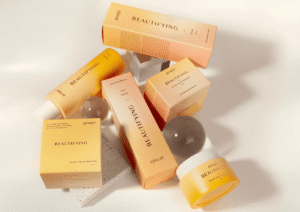
The Role of Packaging Manufacturers
For packaging suppliers, the shift toward sustainability requires more than material substitution. It involves a fundamental change in how we design and deliver packaging.
Manufacturers must now:
- Advise clients on material selection based on sustainability goals
- Optimize structures to reduce waste
- Ensure compliance with international regulations
- Balance cost, performance, and environmental impact
This is where expertise in custom cosmetic packaging becomes critical. A well-designed packaging solution today must consider not only appearance and protection, but also lifecycle impact.
Final Insight
Sustainability in cosmetics packaging is no longer a future concept—it is already reshaping the industry. The combination of regulatory pressure, consumer demand, and material innovation is accelerating the transition at a pace that few industries have experienced before.
For brands, adopting eco-friendly cosmetic packaging is not just about environmental responsibility. A strategic decision affects market access, brand perception, and long-term competitiveness.
For manufacturers, the opportunity lies in providing solutions that are not only sustainable, but also scalable, cost-effective, and aligned with brand identity.
FAQ
It refers to packaging made from recyclable, biodegradable, or reusable materials that reduce environmental impact throughout the product lifecycle.
Because the industry generates significant packaging waste, and consumers increasingly demand environmentally responsible products.
PCR plastics, glass, FSC-certified paperboard, and biodegradable materials such as molded pulp or PLA.
Initially, yes. However, long-term savings can be achieved through material reduction, improved logistics, and scalable design.
Yes. Many premium brands now combine high-end finishes with sustainable materials to maintain both aesthetics and environmental responsibility.
By working with experienced suppliers, optimizing packaging design, and gradually integrating eco-friendly materials into their product lines.