
In the confectionery market, packaging is no longer just a protective layer—it is an integral part of the product experience and a direct driver of sales. Custom candy packaging plays a crucial role in influencing consumer perception, building brand recognition, and enhancing purchase intent. From artisanal chocolates to mass-market sweets, the way candy is presented can significantly impact both shelf appeal and online engagement.
Years of experience in packaging for the food and confectionery sector highlight a consistent pattern: brands that invest in structure, material quality, and visual design early see stronger customer loyalty, higher repeat purchases, and better pricing power. The following insights outline strategies for designing effective custom candy boxes and candy packaging boxes.
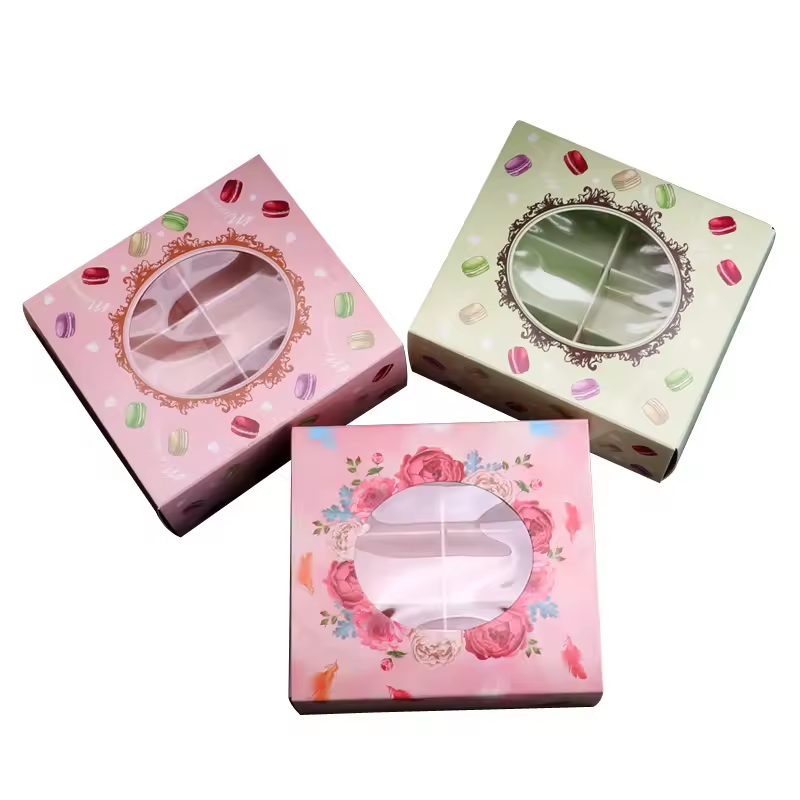
1. Structure Should Reflect Product Type and Usage
Candy comes in various forms—chocolates, gummies, hard candies, lollipops, or seasonal assortments—and each requires a different packaging approach.
- Folding cartons are commonly used for small to medium-sized confections, offering flexibility in printing and cost efficiency. They are suitable for individual retail sales and gift packs.
- Rigid boxes with magnetic closures elevate premium chocolates or artisanal confectioneries. These boxes not only protect delicate products but also create a luxury experience.
- Windowed boxes or tray inserts help display the candy inside, encouraging impulse purchases while maintaining product protection.
A study by the Candy Industry Association notes that visual presentation on the shelf significantly influences consumer choice, with packaging structure contributing nearly 30% to purchase decision-making for impulse-driven categories.
2. Material Selection: Protection Meets Branding
Selecting the right material for candy packaging boxes requires balancing product protection, visual appeal, and cost.
- SBS (solid bleached sulfate) board is widely used due to its smooth printing surface, strength, and food safety compliance.
- Kraft or recycled papers provide an eco-friendly image but may need additional coatings to ensure grease and moisture resistance.
- Rigid cardboard with laminated finishes is ideal for premium chocolate assortments, offering durability and tactile appeal.
Food safety regulations are paramount. The U.S. Food and Drug Administration (FDA) mandates that materials in contact with food must not transfer harmful substances. Compliance ensures consumer safety and reduces liability.
3. Printing and Finishing Techniques Enhance Appeal
The visual appeal of candy packaging boxes often determines a consumer’s first impression. Techniques such as foil stamping, embossing, spot UV, and high-quality digital printing allow brands to stand out on crowded shelves.
- Foil accents can highlight logos or special editions, signaling premium value.
- Embossed or debossed surfaces provide tactile engagement, enhancing the perceived quality of the product.
- Custom color schemes aligned with brand identity reinforce recognition, especially in seasonal or limited-edition releases.
According to the Smithers Pira Packaging Report (2024), packaging innovation, including unique finishing and visual effects, increases product visibility and can boost sales by up to 20% in competitive confectionery segments.
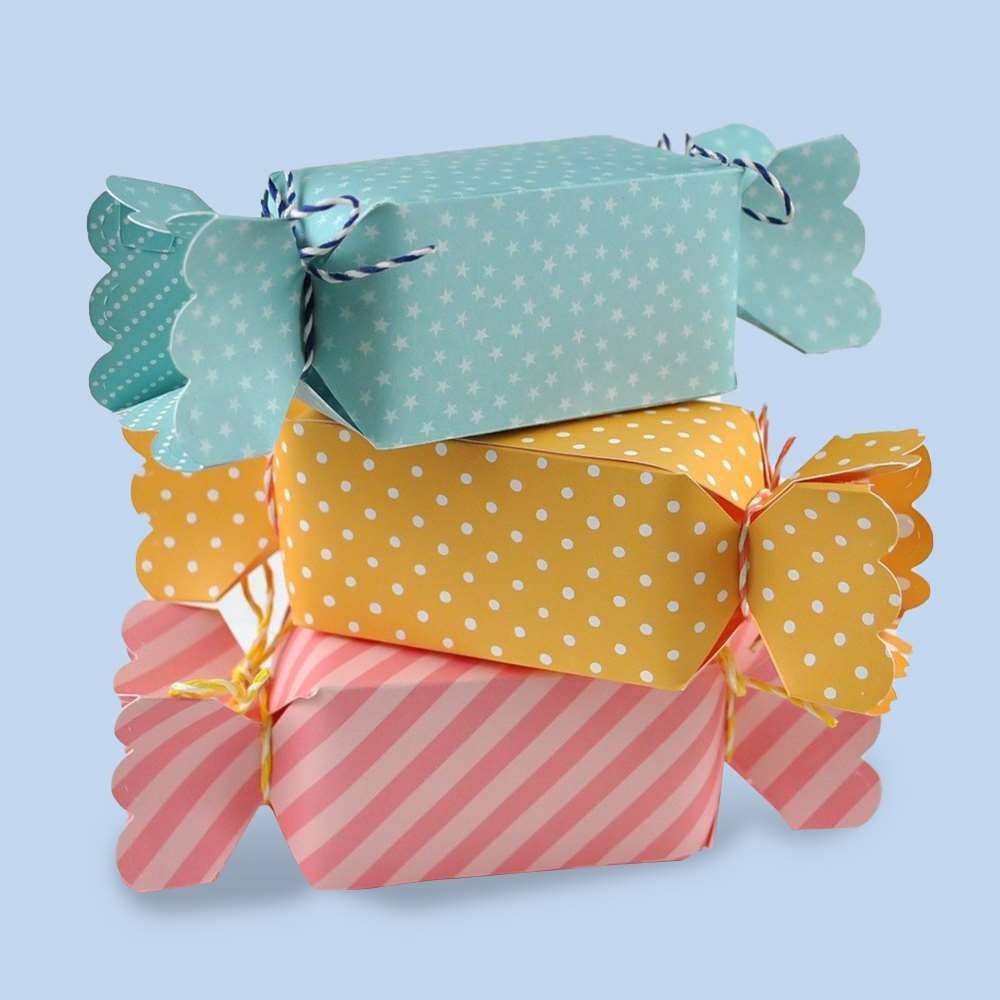
4. Internal Inserts and Product Protection
Candy may be delicate and sensitive to pressure or temperature changes. Proper internal inserts ensure products arrive intact while maintaining presentation.
- Trays or molded pulp inserts prevent items from shifting during transport.
- Dividers are especially useful for assortments with multiple candy types, maintaining separation and visual organization.
- Temperature-resistant liners may be necessary for chocolates in warmer climates to prevent melting.
The International Confectionery Association (ICA) emphasizes that well-engineered inserts reduce product damage rates and returns, protecting both brand reputation and profit margins.
5. Customization Strategy and Seasonal Relevance
Seasonal marketing is central to the confectionery business. Custom candy packaging allows brands to tailor products for holidays, special events, and promotional campaigns.
- Limited-edition holiday boxes or themed assortments encourage repeat purchases and create social media engagement.
- Reusable packaging, such as decorative tins or keepsake boxes, adds long-term brand visibility.
- Custom designs can include interactive elements, such as peel-off windows or collectible packaging, appealing to younger demographics.
A report by NielsenIQ shows that limited-edition packaging can increase purchase likelihood by 15–25%, demonstrating the importance of strategic customization for seasonal campaigns.
Balancing Cost and Scalability
While investing in custom candy packaging enhances brand perception, brands must balance design ambition with cost and production scalability.
- Standardized box sizes with interchangeable inserts allow multiple product SKUs to use the same base packaging, reducing tooling costs.
- Minimum order quantities vary by structure and finishing complexity; planning ahead allows for better negotiation and avoids production delays.
- Eco-friendly materials may incur slightly higher costs initially but contribute to brand image and long-term sustainability goals.
Smithers Pira highlights that efficient packaging planning and modular design can reduce total packaging costs by up to 15% while maintaining a premium consumer experience.
Key Takeaways on Candy Packaging
Custom candy packaging is more than a functional necessity; it is a strategic tool for driving sales, building brand loyalty, and enhancing consumer perception. Well-designed candy packaging boxes improve shelf impact, safeguard delicate products, and encourage repeat purchases. In a crowded confectionery market, investing in quality structure, materials, and finishing techniques can differentiate a brand and increase profitability.
Brands that integrate packaging strategy with marketing and seasonal campaigns see stronger engagement and higher sales. Thoughtful internal design, attention to finishing, and compliance with food safety regulations create a seamless experience from the shelf to unboxing at home.
For manufacturers and brands working together, early collaboration ensures packaging is optimized for both aesthetic appeal and operational efficiency, transforming custom candy boxes from a simple container into a long-term brand asset.