
Table of contents
One of the most common questions packaging manufacturers receive is simple:
“How much does custom packaging cost?”
The challenge is that there is no universal answer. A simple folding carton for a cosmetic product may cost less than $0.30 per unit, while a luxury magnetic rigid box for jewelry or premium gifts can exceed $8.00 per piece. The final price depends on multiple factors including materials, box style, dimensions, printing requirements, finishing techniques, and production quantity.
As brands continue investing in premium product presentation and sustainable packaging solutions, understanding how packaging costs are calculated has become increasingly important. Whether you are launching a new product, sourcing packaging for an e-commerce business, or rebranding an existing product line, knowing the major cost drivers can help you make smarter purchasing decisions and avoid unnecessary expenses.
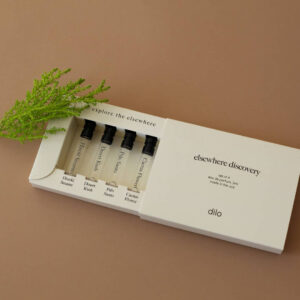
Why Is It Difficult to Give a Fixed Packaging Price?
Unlike standard products, packaging is usually customized around a specific product.
A quotation can vary significantly depending on:
- Product dimensions
- Packaging structure
- Material specifications
- Printing requirements
- Order quantity
- Shipping destination
For example, two cosmetic boxes may look similar but differ greatly in cost. A small skincare carton measuring 50 × 50 × 120 mm uses substantially less material than a luxury gift box measuring 150 × 150 × 250 mm. Larger boxes require more paperboard, larger printing sheets, and often higher shipping costs.
This is why experienced packaging suppliers will always request detailed specifications before providing an accurate quotation.
The 7 Main Factors That Affect Custom Packaging Cost
1. Packaging Material
Material selection is often the largest contributor to packaging cost.
Common paper-based packaging materials include:
- SBS paperboard
- C1S/C2S paperboard
- Kraft paper
- Corrugated board
- Greyboard for rigid boxes
- Specialty textured papers
According to the Forest Stewardship Council (FSC), demand for responsibly sourced paper packaging continues to grow as brands pursue sustainability goals. Premium materials typically offer better print quality and durability but come with higher costs.
In many packaging projects, material expenses account for 35–50% of the total packaging cost.
2. Box Style
Different box structures require different manufacturing processes.
Generally speaking:
| Box Type | Cost Level |
|---|---|
| Folding Carton | Low |
| Corrugated Mailer Box | Medium |
| Drawer Box | Medium-High |
| Rigid Box | High |
| Magnetic Gift Box | Premium |
Folding cartons are usually the most economical option because they can be produced efficiently and shipped flat.
Rigid boxes require thicker greyboard, manual assembly, and additional wrapping processes, making them significantly more expensive.
3. Box Dimensions
Size directly affects material usage and shipping efficiency.
A larger box requires:
- More paperboard
- Larger printing sheets
- More storage space
- Higher freight costs
Optimizing box dimensions can often reduce packaging expenses without compromising product protection.
4. Printing Requirements
Printing complexity also affects cost.
Common options include:
- CMYK printing
- Pantone color matching
- Double-sided printing
- High-density graphics
Brands that require strict color consistency often choose Pantone printing, which generally increases production costs compared to standard CMYK printing.
5. Finishing Processes
Decorative finishes can dramatically enhance perceived product value.
Popular finishing options include:
- Foil stamping
- Spot UV
- Embossing
- Debossing
- Soft-touch lamination
- Matte lamination
While these techniques improve visual appeal and customer experience, each additional process adds manufacturing costs.
6. Inserts and Internal Packaging
Many premium products require protective inserts.
Common insert materials include:
- Paperboard inserts
- Molded pulp inserts
- EVA foam
- Blister trays
- Corrugated dividers
Paper-based inserts are becoming increasingly popular due to sustainability initiatives and growing consumer preference for recyclable packaging.
7. Order Quantity
Order quantity has one of the biggest impacts on unit pricing.
For example:
| Quantity | Estimated Unit Cost |
| 500 pcs | $1.20 |
| 5,000 pcs | $0.65 |
| 50,000 pcs | $0.28 |
As production volume increases, setup costs such as die-cutting, printing plates, and machine preparation are distributed across more units.
According to packaging industry suppliers, increasing order quantities from hundreds to several thousand units can reduce unit costs by 50% or more.
Average Custom Packaging Costs by Packaging Type in 2026
The following estimates represent common market ranges for paper-based packaging:
| Packaging Type | Estimated Cost Range |
| Folding Carton | $0.15–$1.50 |
| Corrugated Mailer Box | $0.50–$3.00 |
| Drawer Box | $1.00–$6.00 |
| Rigid Box | $1.50–$8.00 |
| Magnetic Gift Box | $2.00–$12.00 |
| Luxury Jewelry Box | $3.00–$15.00 |
Actual pricing depends on material specifications, printing complexity, and production volume.
Custom Packaging Cost by Industry
Cosmetic Packaging
Cosmetic cartons typically range from $0.20–$1.50 per unit.
Luxury skincare and fragrance packaging often uses rigid boxes, specialty papers, and foil stamping, resulting in higher costs.
Jewelry Packaging
Jewelry packaging generally requires premium presentation and protective inserts.
Rigid jewelry boxes typically range from $1.00–$8.00 or more depending on structure and finishing.
Food Packaging
Food packaging often uses folding cartons with food-safe coatings.
Typical pricing ranges from $0.15–$1.00 per unit.
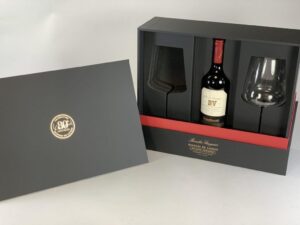
Wine Packaging
Wine packaging usually requires stronger structures and premium presentation.
Custom wine boxes commonly range from $2.00–$10.00 or higher.
Electronics Packaging
Electronic products often require custom inserts and enhanced protection.
Packaging costs typically range from $0.50–$5.00 depending on complexity.
Three Practical Ways to Reduce Packaging Costs
Optimize Box Dimensions
Oversized packaging increases material usage and shipping costs.
Designing packaging around the actual product dimensions can significantly improve efficiency.
Simplify Decorative Finishes
Not every project requires multiple premium finishes.
Strategically selecting one or two finishing techniques can achieve a premium appearance while controlling costs.
Increase Production Volume
Higher quantities usually produce the greatest cost savings.
For businesses with stable sales forecasts, larger production runs often provide better long-term value.
How to Request an Accurate Packaging Quote
To receive an accurate quotation from a packaging manufacturer, prepare the following information:
Product Dimensions
Provide length, width, and height measurements.
Quantity Requirements
Specify your expected order quantity.
Material Preferences
Indicate whether you prefer paperboard, corrugated board, rigid board, or specialty papers.
Artwork Files
Providing AI, PDF, or high-resolution design files can speed up the quotation process.
Special Finishing Requirements
Clearly identify any requested finishing processes such as foil stamping, embossing, or spot UV.
At Hongjia Packaging Technology (Shenzhen) Co., Ltd., we help brands develop cost-effective packaging solutions tailored to their products, budget, and market positioning.
Our capabilities include:
- Folding cartons
- Rigid boxes
- Magnetic gift boxes
- Cosmetic packaging
- Jewelry packaging
- Food packaging
- Wine packaging
If you would like a customized quotation, feel free to contact us at:
The cost of custom packaging in 2026 depends on much more than the box itself. Materials, structure, printing, finishing techniques, and production volume all influence the final price. Understanding these factors allows businesses to control costs, improve packaging performance, and create stronger customer experiences without overspending.
FAQ
Small businesses typically pay between $0.30 and $5.00 per unit depending on packaging type, customization level, and order quantity.
Folding cartons are usually the most cost-effective option because they use less material and can be shipped flat.
Rigid boxes require thicker materials, additional wrapping processes, and more manual labor during production.
Many manufacturers offer low-MOQ options, although unit costs are generally higher compared to large-volume orders.
Most packaging projects require 10–25 business days after artwork approval, depending on complexity and order volume.
Not always. Many recyclable paper-based materials are competitively priced, especially at larger production volumes.
Optimize box dimensions, simplify finishing processes, and increase production volume whenever possible.