
Table of contents
Food packaging—sometimes referred to as foodstuff packaging in industry contexts—is the only barrier between your product and everything that wants to degrade it: moisture, oxygen, light, physical impact, and temperature fluctuation. For food businesses, packaging decisions affect shelf life, regulatory compliance, shipping costs, brand perception, and ultimately whether the product reaches the customer in sellable condition.
This guide covers food packaging materials, regulations, and supplier selection for food manufacturers and brands. Whether you are launching a new product or optimizing an existing packaging line, the decisions outlined here directly impact product quality and operational cost.
Food Packaging Materials: The Foundation of Product Protection
Material selection is the single most consequential packaging decision a food business makes. Each material type offers a distinct balance of protection, cost, and consumer perception.
Paperboard and Corrugated Food Packaging
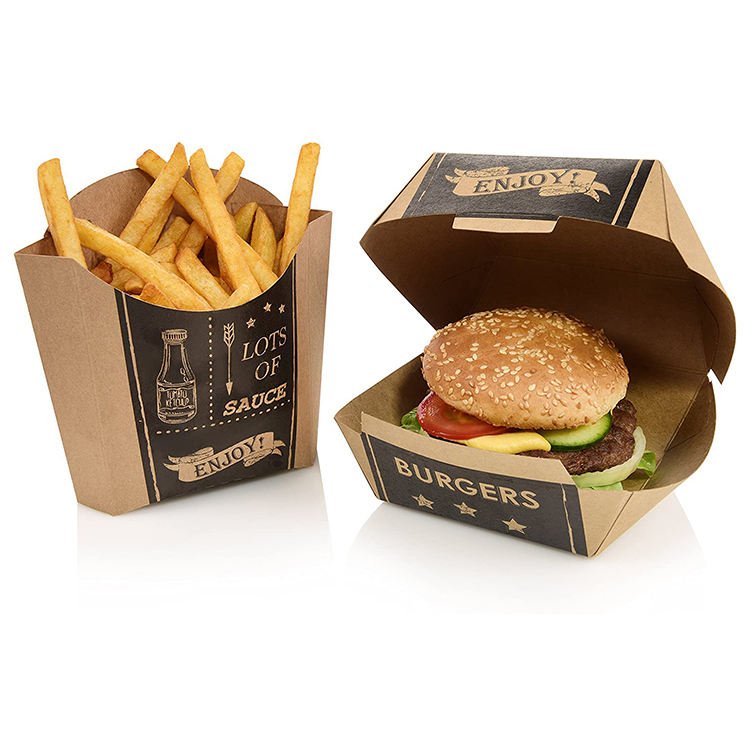
Paperboard-based food packaging remains the most widely used material category for dry and shelf-stable products. Cereal boxes, frozen food cartons, bakery packaging, and snack boxes all rely on paperboard substrates.
In practice, food-grade paperboard is manufactured with a barrier coating—typically polyethylene (PE) or a water-based dispersion coating—that prevents moisture and grease from penetrating the fiber structure. Without this coating, paperboard absorbs moisture from the food product, losing structural integrity and creating conditions for mold growth.
Additionally, for frozen food packaging specifically, paperboard must also withstand temperature cycling without delaminating. Frozen food boxes are typically manufactured with a heavier coating weight and a higher-density board than their shelf-stable equivalents.
Plastic Food Packaging: Films, Trays, and Rigid Containers
Plastic food packaging spans a wide range of formats, from flexible films and pouches to rigid trays and clamshell containers. The primary plastic types used in food packaging each serve distinct functions.
Polyethylene terephthalate (PET) offers excellent clarity and gas barrier properties, making it the standard for bottled beverages, salad containers, and bakery clamshells. Polypropylene (PP) provides higher heat resistance and is commonly used for microwaveable trays and hot-fill applications. Polyethylene (PE) delivers moisture barrier at the lowest cost and appears in everything from bread bags to milk jugs.
However, plastic food packaging faces growing regulatory and consumer pressure. Many municipalities now restrict single-use plastic food containers, and consumer surveys consistently rank plastic packaging as the least desirable material from an environmental standpoint. Food brands should evaluate plastic packaging decisions with both current regulations and likely future restrictions in mind.
Aluminum and Metal Food Packaging
Aluminum food packaging—cans, foil containers, and laminated pouches with aluminum barrier layers—provides the highest level of oxygen and light protection of any common food packaging material. For products sensitive to oxidation, such as coffee, nuts, and shelf-stable prepared foods, aluminum barrier packaging extends shelf life significantly.
Additionally, aluminum is infinitely recyclable without quality degradation, giving it a sustainability advantage over multi-layer plastic laminates that cannot be separated for recycling. The tradeoff is higher material cost and, for rigid formats like cans, higher transportation weight.
Glass Food Packaging
Glass provides an absolute barrier against gas and moisture transmission, zero chemical interaction with food contents, and a premium consumer perception. Jars and bottles made from glass are the standard for preserves, sauces, pickled products, and premium beverages.
That said, the primary limitations of glass food packaging are weight, which drives up shipping costs, and breakage risk during transport and consumer handling. For e-commerce food brands, glass packaging requires secondary protective packaging that adds cost and complexity to the fulfillment process.
Biodegradable and Compostable Food Packaging Materials
The market for sustainable food packaging has expanded rapidly, with materials such as polylactic acid (PLA), bagasse (sugarcane fiber), bamboo fiber, and molded pulp gaining adoption across food categories.
For compostable food packaging in particular, these materials packaging requires industrial composting facilities to break down within the certified timeframe. These facilities are not available in all regions, and consumer understanding of proper disposal varies widely. Food brands adopting compostable packaging should verify that their customer base has access to appropriate disposal infrastructure before committing to a material switch.
Food Packaging Regulations: What Food Businesses Need to Know
Regulatory compliance in food packaging is not optional. The specific requirements depend on the markets where the product is sold and whether the packaging makes direct or indirect food contact.
FDA Food Contact Regulations
In the United States, the FDA regulates food packaging under the Federal Food, Drug, and Cosmetic Act. Food contact substances—materials that touch food directly or may migrate into food—must be approved for their intended use.
For most food packaging materials, this means the substrate, coatings, inks, and adhesives must all be manufactured from FDA-compliant substances. Food packaging suppliers typically maintain documentation demonstrating compliance, and food brands should request and retain these certifications as part of their supplier qualification process.
EU and International Food Packaging Standards
Food brands exporting to the European Union must comply with EU Framework Regulation (EC) No 1935/2004, which requires that food contact materials do not transfer constituents to food in quantities that endanger human health or change the food’s composition, taste, or odor in an unacceptable way.
Additionally, specific EU regulations govern plastics (EU No 10/2011), ceramics, regenerated cellulose, and recycled plastic materials in food contact. Brands selling into multiple international markets should work with food packaging companies that have experience navigating multi-jurisdictional compliance requirements.
Labeling Requirements for Food Packaging
Beyond material safety, food packaging must comply with labeling regulations that vary by market. In the US, the FDA mandates nutrition facts panels, ingredient lists, allergen declarations, and net weight statements. In the EU, the Food Information to Consumers (FIC) Regulation governs what must appear on food packaging labels.
Food packaging design must allocate sufficient space for required labeling elements while maintaining brand presence. This is a practical constraint that influences box dimensions, panel layout, and print specification decisions early in the design process.
Selecting Food Packaging Suppliers
Choosing the right food packaging supplier affects every aspect of the packaging supply chain, from material quality and regulatory compliance to lead time reliability and cost predictability.
What to Look for in Food Packaging Companies
When evaluating food packaging companies, expertise in food-grade manufacturing should be the first filter. Suppliers should demonstrate familiarity with the specific material and format requirements of your product category.
Beyond technical capability, assess the supplier’s quality management system. Food packaging suppliers should maintain documented quality control procedures, lot traceability, and third-party certifications such as ISO 22000, BRCGS, or SQF. These certifications indicate that the supplier operates under a food safety management framework, not just general manufacturing practices.
Domestic vs International Food Packaging Suppliers
Domestic food packaging suppliers offer faster turnaround, easier communication, and simpler logistics. For brands launching new products or requiring short production runs, domestic suppliers typically provide the lowest-risk path to market.
International food packaging suppliers—primarily in China, India, and Southeast Asia—offer significantly lower per-unit pricing and access to a wider range of material options and manufacturing capabilities. However, international sourcing adds complexity in quality verification, logistics coordination, and regulatory documentation management.
As a result, many food brands adopt a hybrid approach: domestic suppliers for initial production runs and product launches, with international sourcing introduced once volume and product specifications stabilize.
Food Packaging Solutions: Matching Capability to Need
Different food packaging solutions suit different stages of business growth. A startup launching its first product typically needs low minimum order quantities, fast turnaround, and supplier support with material selection and regulatory guidance.
An established brand scaling to national distribution, in contrast, needs consistent supply at higher volumes, automated packaging line compatibility, and multi-region regulatory compliance support. The supplier that was ideal at launch may not be the right partner at scale.
For this reason, food brands should periodically reassess their packaging supplier relationships against their current and projected needs, not their historical requirements.
FAQ
Frozen food packaging requires materials that maintain structural integrity through temperature cycling. Coated paperboard with a medium-to-heavy PE coating is standard for frozen food boxes. For products requiring a complete moisture barrier, laminated structures with an aluminum or metallized film layer provide the highest protection. The board density and coating weight should be specified for freezer-grade performance.
Request FDA compliance documentation from your packaging material suppliers covering the substrate, coatings, inks, and adhesives used in your packaging. The supplier should provide a letter of guarantee or certificate of compliance for each material component. Maintain these records as part of your food safety documentation. For new packaging designs, consult with your supplier about the specific FDA food contact requirements for your product category and packaging format.
Custom food packaging minimum orders typically start at 1,000 to 3,000 units for paperboard boxes and folding cartons. Flexible packaging such as pouches and films often requires higher minimums—5,000 to 10,000 units—due to the higher setup costs of flexographic printing cylinders. Digital printing options are increasingly available for shorter food packaging runs, with minimums as low as 500 units at a higher per-unit cost.
Custom paperboard food boxes range from $0.15 to $0.80 per unit depending on size, material, print complexity, and order volume. Flexible packaging such as stand-up pouches ranges from $0.10 to $0.50 per unit. Rigid plastic containers and glass packaging run significantly higher—$0.50 to $3.00 per unit. The largest cost drivers are material choice, print method, and order quantity rather than the packaging format itself.
Look for food safety management certifications such as ISO 22000, BRCGS (Brand Reputation Compliance Global Standards), or SQF (Safe Quality Food). These certifications indicate that the supplier operates under audited food safety protocols. Additionally, verify that the supplier can provide FDA compliance documentation, lot traceability records, and material safety data for all components used in your packaging.