
Table of contents
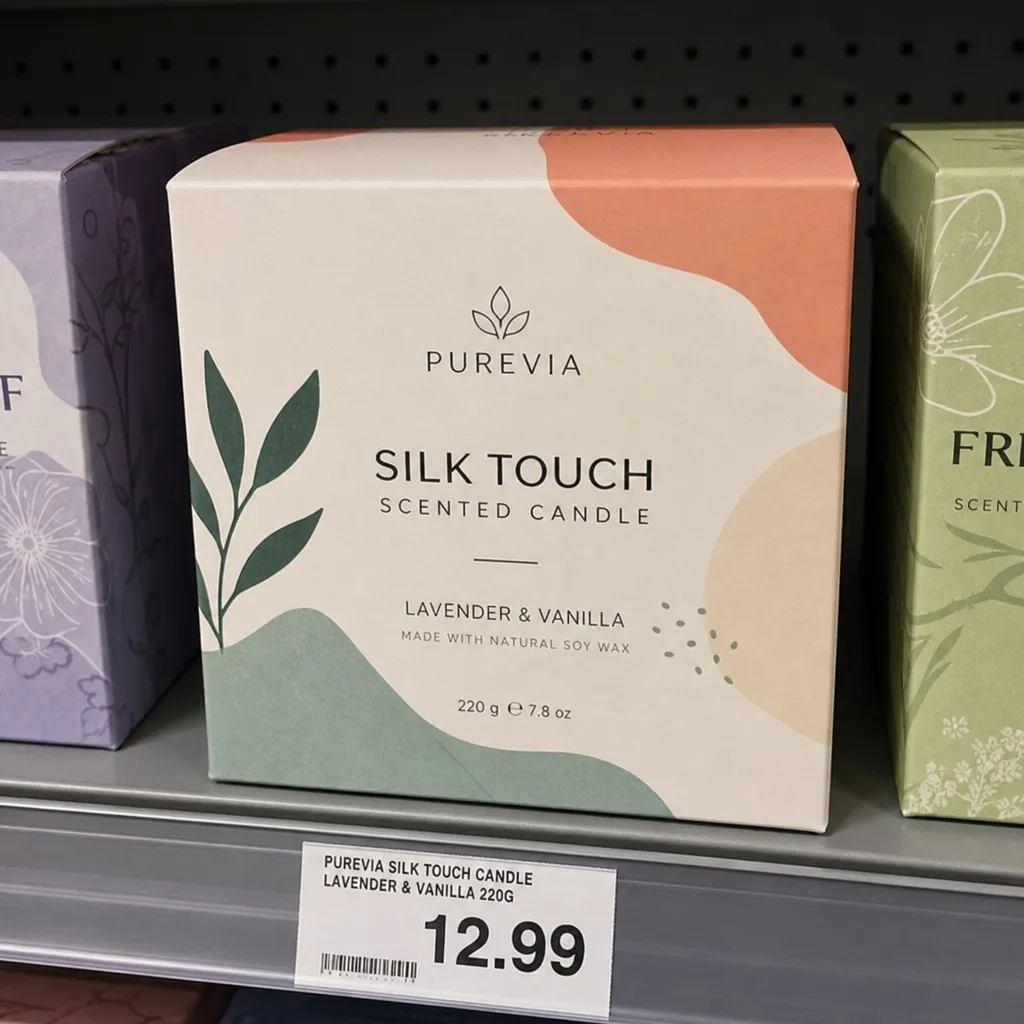
In today’s highly competitive retail market, your product’s exterior is just as important as what is inside. Packaging serves as a silent salesperson, a physical protector, and a core brand ambassador. At the heart of this retail revolution is the highly versatile folding box carton. Lightweight, endlessly customizable, and cost-effective, this classic packaging solution is continually evolving.
Whether you are launching a new cosmetics line, a gourmet food product, or tech accessories, mastering the nuances of folding box packaging is essential to standing out on the shelf and connecting with your customers.
Understanding the Foundation: Material Choices
Before diving into structural shapes and vibrant prints, you must start with the raw materials. One of the first lessons in packaging design is understanding the differences between corrugated and paperboard. While corrugated material features a fluted layer designed for heavy shipping and transit, paperboard is a thinner, single-layer substrate ideal for high-resolution printing and sleek retail displays.
When sourcing your materials, a frequent question arises: what are common paperboard grades available on the market? Here is a quick breakdown to guide your selection:
- Folding Box Board (FBB): A multi-ply material that offers an excellent balance of stiffness and smooth printing surfaces. It is widely used in health, beauty, and pharmaceutical packaging.
- Solid Bleached Sulfate (SBS): A premium, bright white board used for luxury goods.
- Clay Coated News Back (CCNB): A highly recycled board often used for dry foods and budget-friendly household items.
When weighing solid bleached sulfate vs clay coated news back, your decision ultimately comes down to your brand positioning and budget. SBS provides a pristine, high-end canvas for luxury items, whereas CCNB is an excellent choice if you are prioritizing economical and sustainable retail packaging materials.
Engineering the Perfect Structure
Brilliant custom paperboard packaging design marries aesthetics with rigorous engineering. Knowing how to choose the right box style dictates not just how your product looks, but how it functions in the real world.
For retail items, tuck end boxes are an industry standard. However, you will frequently need to choose between a reverse tuck end vs straight tuck end configuration:
- Straight Tuck End (STE): Both the top and bottom flaps fold in the same direction. This design provides a premium appearance with clean edges on the front display panel, making it ideal for cosmetics and software.
- Reverse Tuck End (RTE): The top and bottom flaps fold in opposite directions. This is generally more material-efficient and slightly more affordable, making it perfect for lightweight, high-volume consumer goods.
Regardless of your choice, maintaining the structural integrity of tuck end boxes is non-negotiable. A box that pops open on the shelf damages consumer trust. This structural reliability relies heavily on a precise die-cutting process for retail packaging. Advanced die-cutting ensures that score lines are clean, folds are crisp, and locking tabs slide into place seamlessly, preventing structural failures.
Logistics, Assembly, and Protection
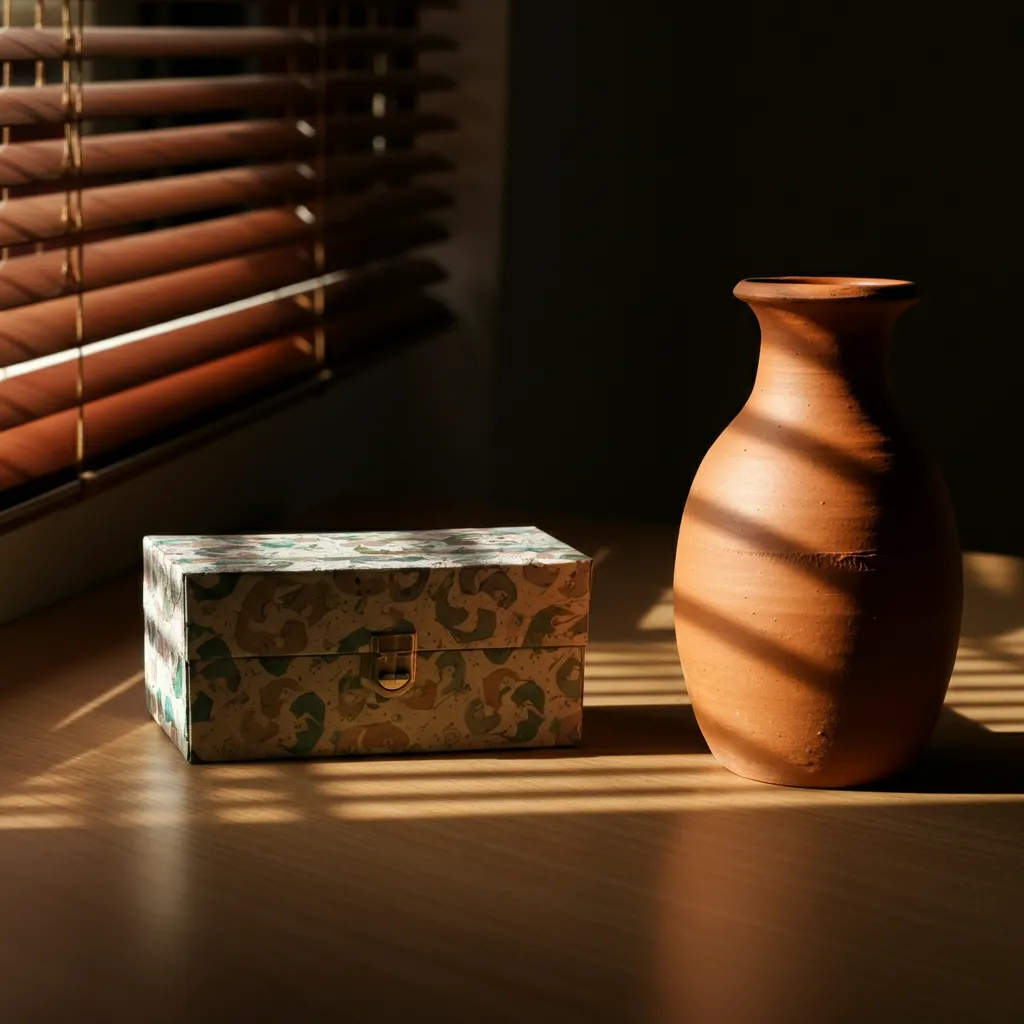
A well-designed Folding box must survive the journey from the manufacturer to the customer’s hands. Ensuring the durability of your cardboard folding boxes plays a massive role in reducing product damage during shipping. By utilizing custom inserts or combining your sleek paperboard boxes with rugged corrugated mailers for e-commerce transit, you ensure your products arrive in pristine condition.
Another critical logistical consideration is how your boxes will be put together on the production line. You will need to evaluate automated assembly vs manual folding.
- Automated Assembly: Ideal for massive production runs. It requires boxes designed specifically for high-speed cartoning machines (typically straight tuck or auto-bottom boxes).
- Manual Folding: Best for intricate designs, unique unboxing features, or cost-effective small batch packaging solutions. If you are a boutique brand doing limited runs, manual assembly allows you to use complex, highly tailored box structures without investing in expensive automated machinery.
Elevating Aesthetics and the Consumer Journey
With the structural and logistical foundations set, you can turn your attention to the visual impact. Increasing brand visibility with custom printing is one of the most direct ways to capture a shopper’s attention. High-quality offset or digital printing allows for vibrant colors, sharp typography, and photographic imagery.
However, modern consumers care deeply about the environmental footprint of their purchases. You can appeal to this demographic by utilizing eco-friendly finishes for printed boxes. Instead of traditional petroleum-based glosses and plastic laminates, consider using water-based aqueous coatings, soy-based inks, and biodegradable foil stamping. These finishes protect the ink and elevate the look of the box while remaining fully recyclable.
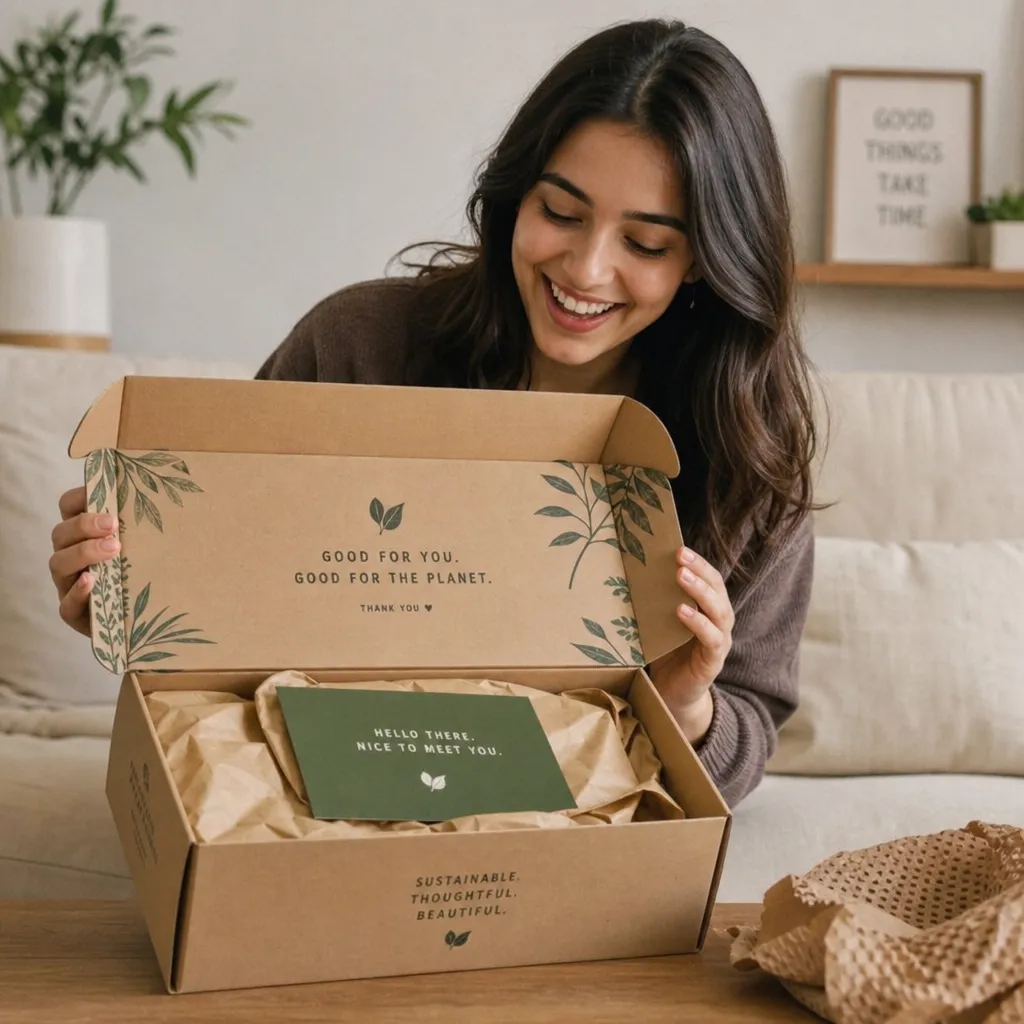
Finally, in the age of e-commerce and social media, optimizing unboxing experience for consumers has never been more important. The unboxing process is a physical interaction that builds emotional attachment to your brand.
Actionable Tips for a Great Unboxing Experience:
- Print on the Inside: Use the interior of the box for a surprise splash of brand color, a thank-you note, or assembly instructions.
- Add Tactile Elements: Use embossing or debossing on your logo to give the box a premium, textured feel.
- Keep it Frustration-Free: Ensure that locking tabs are secure but easy to open without tearing the box or requiring scissors.
Conclusion
Mastering the art of the folding box requires balancing creativity with practicality. By understanding your materials, optimizing your structural design, and focusing on the end-user’s experience, you can create packaging that truly resonates. Whether you are navigating material grades, evaluating box styles, or looking for sustainable solutions, the right custom packaging strategy will protect your product, amplify your brand, and delight your customers at every touchpoint.
FAQ
A folding box carton is a lightweight paperboard packaging solution that is shipped flat and folded into shape during assembly. It is widely used for cosmetics, food products, pharmaceuticals, electronics, and retail goods due to its cost-effectiveness, customizability, and excellent printability.
Folding cartons are typically made from paperboard and are designed for retail presentation and branding, while corrugated boxes contain a fluted layer that provides greater strength for shipping and transportation. Folding cartons focus on appearance and shelf appeal, whereas corrugated boxes prioritize protection during transit.
The best material depends on your product and budget:
· SBS (Solid Bleached Sulfate) for luxury packaging
· FBB (Folding Box Board) for cosmetics and pharmaceuticals
· CCNB (Clay Coated News Back) for cost-effective packaging
Each paperboard grade offers different levels of stiffness, print quality, and sustainability.
A Reverse Tuck End (RTE) box has top and bottom flaps folding in opposite directions, making it more economical and suitable for high-volume products. A Straight Tuck End (STE) box folds in the same direction, creating a cleaner front display and a more premium retail appearance.
Yes. Folding cartons are among the most sustainable packaging solutions available. They can be manufactured using recyclable paperboard, soy-based inks, water-based coatings, and biodegradable finishing options. Many folding cartons are fully recyclable and sourced from responsibly managed forests.
Absolutely. Folding cartons can be fully customized with:
· Custom sizes and structures
· Full-color printing
· Foil stamping
· Embossing and debossing
· Spot UV coating
· Window cutouts
· Custom inserts
These features help brands improve shelf visibility and create memorable unboxing experiences.
When selecting a folding carton style, consider:
· Product weight and dimensions
· Retail display requirements
· Shipping conditions
· Assembly method (manual or automated)
· Branding and unboxing goals
Popular styles include tuck end boxes, auto-lock bottom boxes, sleeve boxes, and custom die-cut cartons. Working with an experienced packaging manufacturer can help ensure the best structural and visual performance.