
2Table of contents
Choosing the right paperboard can affect almost every part of a folding carton project, from print quality and box stiffness to folding performance and production cost. SBS, FBB, kraft board and recycled board all serve different purposes. No single grade works best for every product.
Quick answer: Choose SBS when you need a bright white surface, sharp printing and premium finishes. Choose FBB when you want a good balance of stiffness, printability and material efficiency. Choose kraft board when you prefer a natural appearance or need a durable unbleached fiber structure. Choose recycled board when recycled content and cost efficiency matter, provided the grade meets your product and print requirements.
For brands developing custom folding cartons, understanding these differences helps avoid unnecessary material costs and production problems. This guide compares the main paperboard grades and explains how to select the right folding carton material for your product.
What Are the Main Paperboard Grades?
Paperboard is a thick paper-based material that provides the structure for folding cartons. Manufacturers use different fiber types, pulping methods, layer constructions and coatings to create grades with different physical and visual properties.
The four main material families in this guide are:
- SBS (Solid Bleached Sulfate): A board made from bleached chemical pulp, known for its bright white appearance and smooth printing surface.
- FBB (Folding Box Board): A multi-layer board that typically combines chemical pulp outer layers with a mechanical or high-yield pulp middle layer.
- Kraft Board: A broad commercial term for board made with unbleached kraft fibers, often used when brands want a natural appearance or additional strength.
- Recycled Board: A family of boards made partly or mainly from recovered paper fibers, available in coated and uncoated versions.
Quick comparison of paperboard grades
| Grade | Fiber construction | Surface appearance | Main advantage | Common applications |
|---|---|---|---|---|
| SBS | Bleached chemical pulp | Bright white, smooth | Excellent print quality | Cosmetics, perfume, premium retail, healthcare |
| FBB | Chemical pulp outer layers with a high-yield middle layer | White or cream reverse, depending on grade | Good stiffness-to-weight balance | Food, cosmetics, pharmaceuticals, consumer goods |
| Kraft Board | Mainly unbleached kraft fiber in relevant cartonboard grades | Natural brown or coated surface | Strength and natural appearance | Beverage carriers, food, hardware, retail cartons |
| Recycled Board | Recovered paper fibers, sometimes with different surface layers | White, grey or brown reverse, depending on grade | Recycled content and cost flexibility | Dry food, household goods, secondary packaging |
These names describe broad material families, not one universal specification. Different paper mills offer different grades within each family. Buyers should always confirm the manufacturer’s product code, grammage, caliper, coating and technical data before approving a material.
SBS (Solid Bleached Sulfate) – Pros, Cons & Best Uses
SBS paperboard uses bleached virgin chemical pulp throughout its fiber structure. Manufacturers often apply a clay or pigment coating to the printing surface to improve smoothness, brightness and graphic reproduction.
Its white appearance makes SBS a popular option for brands that need accurate colors, fine text and premium surface finishing. Smurfit Westrock describes its SBS portfolio as a bright white, bleached-virgin-fiber board designed for strength, printability and shelf appeal. See its SBS paperboard overview.
Advantages of SBS
1. Excellent printing performance
The smooth white surface gives printed colors a clean background. It works well for detailed product graphics, small text, brand logos and high-contrast designs.
2. Flexible finishing options
SBS supports common folding carton finishing processes, including hot foil stamping, embossing, debossing, spot UV and lamination. These features make it suitable for premium cosmetics, perfume and gift packaging.
3. Consistent white appearance
Because the board uses bleached fibers throughout its structure, the cut edges and reverse side generally maintain a white appearance. This can help when the carton design includes visible interior panels or exposed edges.
4. Suitable options for selected food and sensitive-product applications
Some SBS grades serve food and healthcare packaging markets. However, buyers must check the exact grade, coating, manufacturing declaration and intended food-contact conditions rather than assuming every SBS product qualifies for direct food contact.
Limitations of SBS
SBS often costs more than some FBB and recycled alternatives. If your artwork uses simple graphics and your product does not require a bright white surface, you may not need to pay for this level of print performance.
SBS also does not automatically provide moisture, grease or water resistance. The coating and any functional barrier must match the product requirements.
Best uses
SBS works well for:
- Luxury cosmetic and skincare cartons.
- Perfume and fragrance folding boxes.
- Pharmaceutical and healthcare cartons that require suitable qualified grades.
- Premium food packaging where the selected grade meets the relevant requirements.
- Retail packaging with detailed graphics or decorative finishes.
FBB (Folding Box Board) – When Stiffness Matters
FBB uses a multi-layer structure that commonly combines bleached chemical pulp outer layers with a mechanical or high-yield pulp middle layer. The outer layers support surface quality and strength, while the middle layer adds bulk and caliper.
This construction helps FBB balance rigidity and weight. Metsä Board explains that its FBB uses chemical pulp on the outside and bleached chemi-thermomechanical pulp in the middle, creating a lightweight yet stiff board. See the FBB structure explained by Metsä Board.
Advantages of FBB
1. Good stiffness-to-weight balance
The middle layer creates bulk without relying entirely on dense chemical pulp. Depending on the product grade, FBB can achieve useful carton stiffness at a relatively efficient grammage.
2. Good printability
FBB usually has a coated white printing surface that supports clear graphics and commercial packaging designs. Some grades also offer a coated reverse side for a more consistent appearance inside the carton.
3. Efficient material use
A suitable FBB grade may meet the carton’s stiffness requirements at a lower grammage than another board. This can reduce material consumption and package weight, although you should verify performance through a sample and technical comparison.
4. Broad application range
Manufacturers use FBB for food, cosmetics, healthcare, confectionery and general consumer packaging. The exact grade determines its surface, stiffness and suitability for each application.
Limitations of FBB
FBB often has a cream or slightly different-colored reverse side, depending on its construction. This difference matters when the carton design includes extensive interior printing or demands a consistent white appearance on both sides.
Its multilayer structure also means buyers should assess crease and folding behavior. A board that performs well in a flat print test may still crack or deform at a tight fold if the carton design, grain direction or creasing setup does not suit it.
Best uses
FBB is worth considering for:
- Skincare and personal care cartons.
- Confectionery and selected food packaging.
- Everyday retail folding cartons.
- Pharmaceutical cartons where the grade meets the required specification.
- Products that need good rigidity without unnecessary material weight.
Kraft Board – Natural Look & Strength
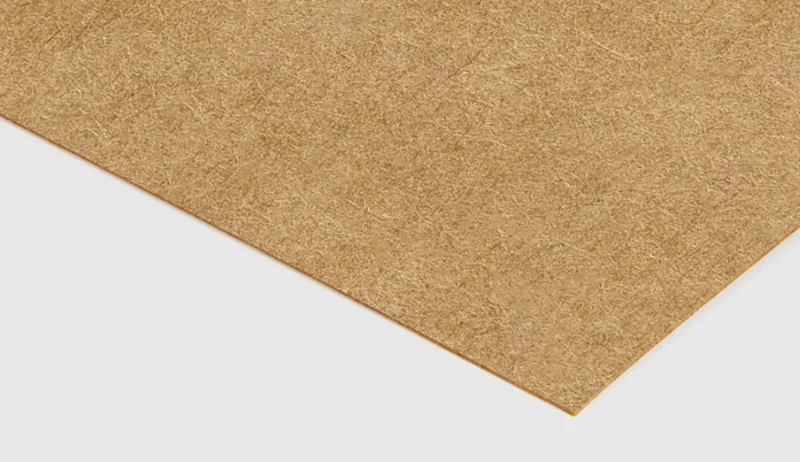
Kraft board generally refers to paperboard made with unbleached kraft fibers. Its natural brown appearance gives packaging a simple, paper-focused character, while the long fibers in kraft pulp can contribute to strength and tear resistance.
For folding cartons, buyers may encounter terms such as CUK (Coated Unbleached Kraft), SUS (Solid Unbleached Sulfate) and UUK (Uncoated Unbleached Kraft). These grades do not have identical construction or surfaces.
Some CUK boards combine an unbleached kraft structure with a coated printing face. As a result, a kraft-based carton does not always have a brown surface on every side. The Paperboard Packaging Council describes CUK as an unbleached kraft-fiber board with a natural brown base and a coated top surface. See its paperboard grade overview.
Advantages of kraft board
1. Natural visual identity
The brown fiber appearance suits brands that want a simple, understated or paper-focused design. It can also work well with one-color printing, dark inks and minimal graphics.
2. Useful strength characteristics
Unbleached kraft fibers can provide good tear resistance and durability. Certain kraft cartonboard grades suit beverage carriers, heavier retail products and packaging that needs a stronger structure.
3. Flexible printing options
Uncoated kraft creates a different print appearance from white SBS or FBB. Colors may look more subdued, and the brown base can influence the final result. A coated kraft grade provides a smoother surface when the design needs clearer printed details.
Limitations of kraft board
The natural brown surface may not reproduce bright colors or delicate pastel shades as clearly as white paperboard. Designers should consider the base color when preparing artwork.
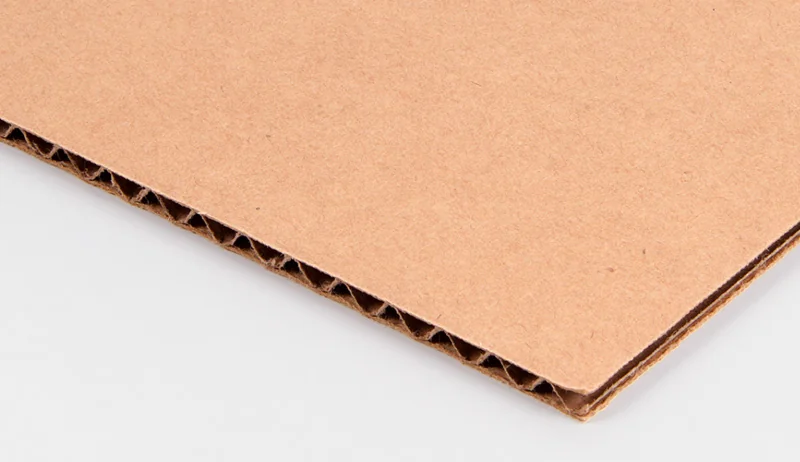
Also, the term “kraft” covers several products. Do not confuse folding carton kraft board with kraft paper for wrapping or kraftliner used as a liner in corrugated board. They serve different structural purposes.
Best uses
Kraft board suits:
- Natural-style food and bakery cartons.
- Beverage carriers and multipacks.
- Hardware and heavier retail packaging.
- Simple cosmetic and personal care cartons.
- Brands that prefer a visible natural fiber appearance.
Recycled Board Options
Recycled board uses recovered paper fibers from sources such as converted paper waste and post-consumer paper products. Manufacturers may use different fiber mixes and layer constructions to create coated or uncoated grades.
Two common categories include:
- CRB (Coated Recycled Board): Recycled-fiber board with a coated printing surface. In some markets, buyers also encounter terms such as CCNB (Clay-Coated News Back) or WLC (White Lined Chipboard).
- URB (Uncoated Recycled Board): Recycled board without a comparable clay-coated printing surface. It often suits internal packaging or applications where appearance receives less emphasis.
Advantages of recycled board
1. Supports recycled-content targets
A suitable grade can help brands incorporate recovered fibers into their packaging material strategy. Buyers should request evidence of the recycled content rather than relying only on a general recycled-board description.
2. Can offer a cost-conscious option
Some recycled grades cost less than premium virgin-fiber boards. Actual savings depend on the grade, coating, thickness, availability and order volume.
3. Provides different surface choices
Coated recycled board offers a printable face, while uncoated versions suit simpler applications. The reverse side may appear grey, brown or another shade depending on the fiber mix and construction.
Limitations of recycled board
Recycled board grades can vary in surface appearance, cleanliness, stiffness and print performance. Buyers should review the actual material sample and technical specification, especially when the carton requires fine graphics, consistent color or a premium appearance.
For direct food-contact packaging, do not assume that recycled fiber content automatically meets the relevant requirements. Check the exact board grade, intended contact conditions and market-specific documentation. Some applications may require a suitable functional barrier or a different material choice.
Best uses
Recycled board may suit:
- Dry food cartons using a qualified grade.
- Household and general retail packaging.
- Secondary packaging.
- Cost-conscious cartons with moderate print requirements.
- Projects that specify recycled content and can accept the available surface characteristics.
How to Choose the Right Grade for Your Product
Start with the product and the finished carton rather than choosing a grade by name alone.
1. Consider product weight and protection
A lightweight carton for a small cosmetic item has different needs from a carton holding multiple products or a heavier retail item. Review the product weight, box dimensions, panel size and stacking conditions before selecting board thickness.
2. Define the print and finish requirements
If your design uses fine text, bright colors, large white areas or detailed foil stamping, SBS may offer the surface consistency you need. FBB can also support high-quality printing, while kraft and recycled grades need more consideration of their base color and surface.
3. Review folding and converting performance
A folding carton needs to score, crease, fold and glue reliably. Ask the supplier to evaluate:
- Grain direction.
- Crease cracking and fold appearance.
- Die-cutting accuracy.
- Glue compatibility.
- Board stiffness in machine and cross directions.
- Performance on the intended filling or packing line.
4. Compare grammage, caliper and stiffness
GSM measures the weight of the board per square meter. Caliper measures its thickness. Stiffness describes how well the board resists bending.
These measurements do not mean the same thing. Two grades with the same GSM may have different thickness and stiffness because their fiber composition and construction differ.
Do not specify a carton material using GSM alone. Request the relevant technical data and compare grades at the required carton dimensions.
5. Check sustainability and compliance requirements
Identify whether your project requires virgin fiber, recycled content or certified sourcing. Ask for the relevant documentation and check whether the claim applies to the exact grade and supply chain.
For food, pharmaceutical or other regulated applications, confirm the material’s suitability for the intended use and destination market. A paperboard family name alone cannot establish compliance.
6. Approve a physical sample
A sample allows you to assess the actual surface, color, stiffness, folds, glue joints and finished carton appearance. For repeat orders, record the approved board grade and supplier product code to reduce the risk of unapproved substitutions.
Cost Comparison Table
Material price varies with market conditions, mill, grammage, caliper, coating, order quantity and availability. The table below shows general purchasing tendencies rather than fixed price rankings.
| Paperboard grade | Typical cost tendency | Main cost advantage | Potential cost consideration |
|---|---|---|---|
| SBS | Often higher | Strong print surface and premium appearance | May exceed the requirements of simple cartons |
| FBB | Medium to high | Stiffness-to-weight efficiency | Grade and coating options affect pricing |
| Kraft Board | Varies by grade | Can combine useful strength with a natural surface | Coated and uncoated versions differ in cost |
| Recycled Board | Often cost-conscious | Can offer a lower-cost route for suitable cartons | Surface or performance requirements may limit grade choice |
How to compare quotations fairly
When you request quotes from different folding carton manufacturers, provide the same project specifications:
- Finished carton dimensions and structure.
- Required paperboard grade or acceptable alternatives.
- GSM, caliper or performance target, where available.
- Printing colors and surface finishing.
- Product weight and packaging requirements.
- Order quantity and delivery destination.
Ask each supplier to identify the actual paperboard grade and mill or product code. If one supplier quotes SBS and another quotes FBB, the unit prices may not represent equivalent materials or performance.
A lower material price does not always create a lower total packaging cost. Poor folding performance, print defects, material waste or carton damage can add costs later. Compare the finished packaging performance as well as the quoted price.
FAQ
The main choices include SBS, FBB, kraft board and recycled board. SBS offers a bright white print surface, FBB balances stiffness and weight, kraft board provides a natural appearance and useful strength, while recycled board offers options with recovered fiber content.
SBS uses bleached chemical pulp throughout its fiber structure and usually offers a consistent white appearance. FBB typically combines chemical pulp outer layers with a mechanical or high-yield pulp middle layer. FBB often provides a favorable stiffness-to-weight balance, while SBS suits projects that place greater emphasis on a premium white print surface.
Neither grade is always stronger. FBB often delivers good stiffness at a lower grammage because of its layered construction, but actual performance depends on the specific grade, caliper, stiffness measurements and carton design. Compare technical specifications rather than relying on the grade name.
Yes. Kraft cartonboard suits many food, beverage and retail cartons. It offers a natural brown appearance and useful strength characteristics. Some grades have coated printing surfaces, so buyers should specify whether they need an uncoated natural finish or a coated kraft board.
Some recycled-board grades serve selected food packaging applications, particularly when the food does not directly contact the board and the material meets applicable requirements. For direct food contact, verify the exact grade, barrier system and regulatory documentation for the destination market.
No. GSM measures basis weight, not stiffness or structural performance. Board construction, fiber type, caliper, grain direction and carton geometry also affect how the finished box performs.
SBS is a common choice when the brand needs a bright white surface, detailed printing and decorative finishes. FBB can also suit cosmetic cartons when the project needs an efficient stiffness-to-weight balance. The final choice depends on the design, structure, budget and required appearance.