
Table of Contents
In the toy industry, packaging does more than protect products—it plays a key role in how people present, perceive, and purchase them. Well-designed toy packaging helps brands stand out on shelves, improves customer experience, and supports logistics during shipping.
From years working in paper packaging manufacturing, one trend is clear. Brands are moving to paper structures for sustainability. They also want better print quality and stronger brand storytelling. Today, most mainstream retail toys rely heavily on paperboard-based solutions, with structural variation being the main differentiator.
According to market research, the global toy packaging market is worth about $12.7 billion in 2024. Analysts expect it to exceed $18 billion by 2030. New structure and design innovations drive steady growth.
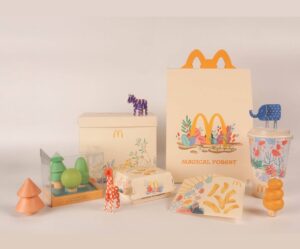
Main Types of Paper-Based Toy Packaging
1. Folding Carton Boxes
Folding cartons are the most widely used format in toy packaging.
- Made from paperboard or cardboard
- Lightweight and easy to assemble
- Excellent for high-quality printing
Common applications include:
- Puzzle boxes
- Educational toys
- Small to medium-sized retail toys
Industry data shows folding cartons make up over 40% of toy packaging formats. This is mainly due to their low cost and easy scaling.
For many brands, this is the entry point into custom toy packaging, offering flexibility without high tooling costs.
2. Window Boxes
Window boxes are an upgrade from standard cartons, designed to display the product inside.
- Paperboard structure with a transparent window
- Maintains box strength while improving visibility
- Suitable for retail environments where visual appeal is critical
Typical uses:
- Dolls
- Character toys
- Gift-ready toy sets
Manufacturers often make the window from a thin, clear film, such as PET. This lets customers see the product without opening the box. This format balances protection and presentation effectively.
3. Rigid Boxes (Premium Toy Packaging)
High-end or collectible toys use rigid boxes.
- Made from thick greyboard (typically 1.2–3mm)
- Wrapped with printed or specialty paper
- Strong and durable
Common structures:
- Lid-and-base boxes
- Magnetic closure boxes
- Drawer-style boxes
These are widely used for:
- Collector edition toys
- Premium figurines
- High-value gift sets
With the rise of adult toy collectors, premium packaging demand is increasing. Reports indicate that collectible toys are one of the fastest-growing segments in the market.
Brands often choose rigid structures for custom toy boxes when brand image and the unboxing experience matter most.
4. Corrugated Toy Boxes
Corrugated packaging is typically used for larger toys or shipping purposes.
- Multi-layer board structure
- High compression strength
- Suitable for heavy or bulky items
Applications include:
- Ride-on toys
- Large construction sets
- E-commerce shipping boxes
Corrugated packaging plays a critical role in protecting products during transportation. Industry data shows that companies use corrugated materials in over 70% of shipping packaging worldwide. This highlights their importance in logistics.
5. Drawer Boxes and Slide Boxes
Drawer-style boxes are designed for both functionality and experience.
- Sliding inner tray with outer sleeve
- Smooth opening mechanism
- Often combined with inserts
Common uses:
- Educational kits
- Puzzle sets
- Mid-to-premium toys
This design makes it easier for users to interact with the product. It is often used in custom toy packaging. Brands choose it to create a more engaging unboxing experience.
6. Blind Boxes
Blind boxes have become a major trend in recent years.
- The product inside is hidden
- Encourages repeat purchases
- Designed for collectible toy series
This format relies heavily on printed design rather than visibility. The packaging itself becomes part of the product appeal.
The popularity of Blind boxes has significantly increased in Asia and is expanding globally, driven by collectible culture and limited-edition releases.
7. Paper-Based Inserts and Internal Structures
Internal packaging is just as important as the outer box.
Common insert types include:
- Paperboard dividers
- Molded pulp trays
- Folded paper structures
In some cases, manufacturers use clear blister inserts (shaped plastic trays) inside paper boxes to hold products securely. People typically use these when they need precise positioning or visibility.
Proper insert design reduces product movement and damage during shipping, improving overall customer satisfaction.
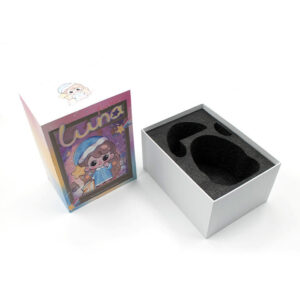
Materials Used in Toy Packaging
Common materials include:
The shift toward paper-based solutions is driven by both performance and sustainability.
- SBS paperboard for high-quality printing
- Kraft paperboard for eco-friendly positioning
- Greyboard for rigid structures
- Corrugated board for strength and protection
Recyclability and regulatory support will drive paper and board packaging materials to grow the fastest.
Key Trends in Toy Packaging
1. Sustainability and Paper-Based Transition
Brands are reducing plastic use and shifting toward recyclable paper materials.
2. E-commerce Optimization
Packaging must now withstand shipping while maintaining presentation quality.
3. Premiumization
Higher-value toys require better structures and finishes to justify pricing.
4. Collectible Packaging Growth
Blind box formats and limited editions are driving repeat purchases.
Choosing the Right Packaging Type
Selecting the right toy packaging depends on:
- Product size and weight
- Target market (children vs collectors)
- Price positioning
- Sales channel (retail vs online)
For example:
- Entry-level toys → folding cartons
- Mid-range toys → window boxes or drawer boxes
- Premium toys → rigid or custom toy boxes
The right structure balances cost, protection, and brand presentation.
Final Insight
Toy packaging has evolved into a strategic tool that combines design, engineering, and marketing. Paper-based solutions now dominate due to their flexibility, printability, and sustainability advantages.
As the market grows and consumer expectations increase, brands that invest in well-structured packaging—especially custom toy packaging—will gain a clear advantage. Whether using folding cartons, rigid boxes, or Blind boxes, the goal remains the same: create packaging that protects the product and enhances its value.
FAQ
It refers to the materials and structures used to protect, display, and market toys.
Folding cartons are the most widely used due to cost efficiency and flexibility.
They create a surprise element that encourages repeat purchases and collection behavior.
Paperboard, plastic, and corrugated materials are commonly used, depending on the product.
Yes. Many brands now use recyclable paperboard and molded pulp inserts.
Attractive packaging improves shelf visibility and influences purchasing decisions.
It refers to packaging designed specifically for a brand, including structure, size, and printing.