
Table of contents
Understanding the premium packaging manufacturing process is the best way to evaluate whether a supplier can deliver consistent quality at scale. This article walks you through every stage inside a mid-to-high-end packaging factory.
You will see exactly how premium cosmetic boxes, rigid gift boxes, and folding cartons are manufactured, from raw material inspection to finished product quality control.
Raw Material Inspection: Where Quality Begins
Premium packaging starts with premium materials. Before any production run begins, every batch of raw material undergoes inspection.
Paperboard and Paper Grades
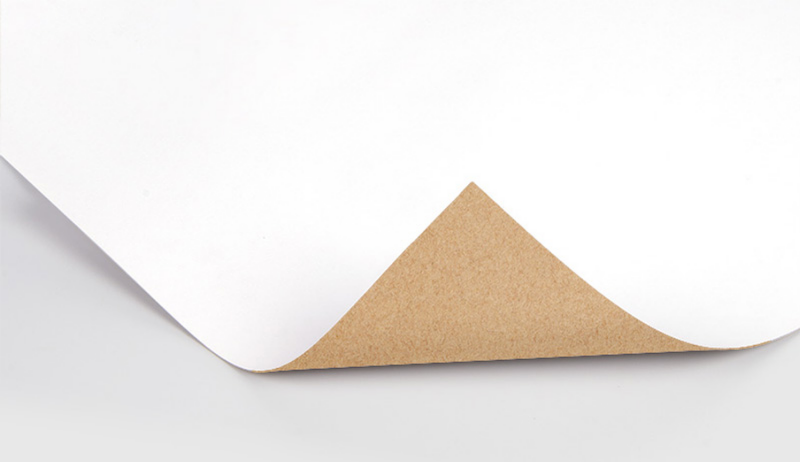
Factories that serve international brands typically stock multiple grades of paperboard. Greyboard (for rigid boxes), art paper, kraft paper, and specialty textured papers each arrive with supplier certifications. Quality control teams check thickness, smoothness, moisture content, and color consistency before approving materials for production.
For food and cosmetic packaging, material certificates must verify compliance with FDA or EU regulations. This paper trail matters when your products ship to regulated markets.
Foil, Coating, and Adhesive Testing
Decorative materials such as hot stamping foil, UV coating, and laminating film are also tested before use. Adhesives are checked for bond strength and ageing resistance. Premium manufacturers reject any material that falls below their internal standards.
Printing and Decoration
The printing stage transforms flat paperboard into the visually striking surface that defines premium packaging.
Offset Printing for Color Accuracy
Most high-end packaging uses offset printing. This method delivers precise Pantone color matching and consistent results across large print runs. Before production starts, technicians run a press proof to confirm color accuracy against the brand’s approved artwork.
Decorative Finishes
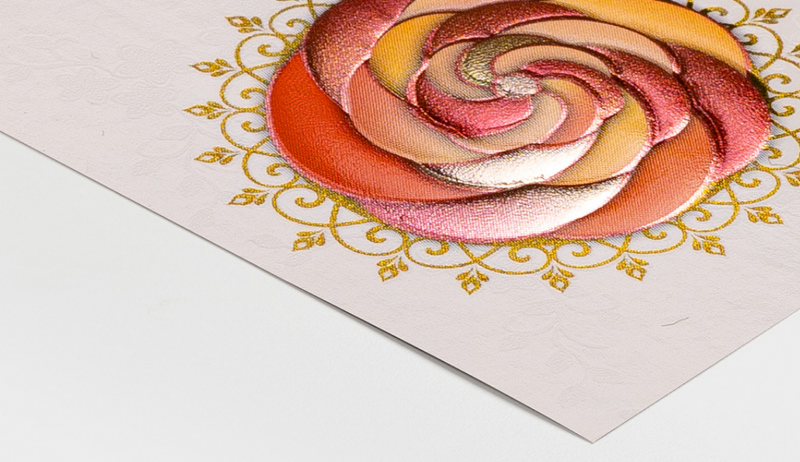
After printing, decorative finishes are applied. Hot foil stamping adds metallic accents. Embossing creates raised textures. Spot UV coating adds selective gloss highlights. Each finish requires dedicated tooling and skilled operators. A single luxury box can combine three or four different finishes.
Die-Cutting and Folding
Once printed sheets are ready, they move to die-cutting. Precision steel-rule dies cut each sheet into the exact shape required for folding into boxes.
Creasing and Scoring
For folding cartons, creasing lines are pressed into the paperboard to create clean, sharp fold lines. Poor creasing leads to cracked paper surfaces and uneven box assembly. Premium factories maintain tight tolerances on crease depth and position.
Waste Stripping
After die-cutting, excess material is stripped away. Modern factories use automated stripping machines that remove waste while leaving the box blanks intact.
Box Assembly and Structural Finishing
Box assembly varies by type. Folding cartons are glued and folded flat for shipping. Rigid boxes require manual or semi-automatic assembly.
Rigid Box Construction
The Rigid boxes are built around a greyboard frame. Workers wrap the greyboard with printed art paper, then assemble the base and lid separately. Corner tucking, edge gluing, and interior lining placement require skilled craftsmanship. Rigid box assembly is the most labor-intensive stage in packaging production.
Folding Carton Gluing
Folding cartons pass through automated folder-gluers that apply adhesive and fold the box into its flat form. High-speed gluers can process thousands of units per hour while cameras inspect glue placement and fold accuracy.
Quality Control Throughout Production
QC is not a single checkpoint at the end of the line. It is embedded in every production stage.
Inline Inspection
1: During printing, operators check color density, registration, and surface defects.
2: During die-cutting, samples are pulled every 500 sheets to verify cut dimensions.
3: During box assembly, every machine has automated sensors that flag misaligned folds or missing adhesive.
Final QC and Sampling
Before shipment, finished boxes undergo final inspection. QC teams check:
- External dimensions against spec
- Color accuracy and finish quality
- Box opening and closing function
- Interior lining placement
- Structural integrity
A random sample from each production batch is tested for adhesive strength, fold endurance, and compression resistance.
Packaging and Shipping
Boxes ready for shipment are packed in protective layers. Rigid boxes are individually wrapped or separated with dividers to prevent scuffing. Cartons are palletized and stretch-wrapped for ocean or air freight. For premium orders, some manufacturers offer custom export packaging with your brand’s shipping cartons.
Why Factory Transparency Matters for Your Brand
When you work with a packaging manufacturer who opens their factory to inspection, you reduce your supply chain risk. You can verify quality standards, production capacity, and lead time reliability before placing a large order.
At Hongjia packaging, we welcome international buyers to tour our facility or arrange a video walkthrough. Contact us to discuss your custom packaging project.
FAQ
A: Look for ISO 9001 (quality management), BSCI (social compliance), and FDA or EU food-grade certifications depending on your target market. These certifications demonstrate that the factory follows international standards.
A: Typical lead time is 25-40 days from artwork approval. This includes tooling creation, printing, die-cutting, assembly, and quality control. Rush orders can sometimes be completed in 15-20 days.
A: Most premium packaging manufacturers welcome factory visits. If travel is not feasible, many offer video walkthroughs and virtual tours.
A: MOQ for rigid boxes typically ranges from 500 to 2000 units depending on complexity. Simple folding cartons can start at 1000 units. Custom sizes and finishes may require higher MOQs.
A: Request samples before production, specify your QC criteria in the contract, and consider third-party inspection services. Premium manufacturers also offer inline QC reports during production.
A: Provide your product dimensions, target box type, material preference, desired finishes, order quantity, and target price range. The more details you supply, the more accurate the quote.
A: Your manufacturer provides commercial invoices and packing lists. Use a freight forwarder experienced in your country’s import regulations. Most manufacturers can recommend shipping partners.