
Table of contents
- Straight Tuck End – Best Uses
- Reverse Tuck End – Material Savings
- Auto-Lock / Crash Lock Bottom
- Snap Lock & Seal End
- Comparison Table
- Decision Guide by Product Weight
- FAQ
- 1. What are the most common folding carton styles?
- 2. What is the difference between straight tuck end and reverse tuck end?
- 3. Is a reverse tuck carton cheaper than a straight tuck carton?
- 4. What is an auto-lock bottom carton?
- 5. Is a crash lock box suitable for glass bottles?
- 6. What is the difference between snap-lock and auto-lock bottoms?
- 7. When should I choose a seal-end carton?
Choosing the right folding carton style affects more than how a box looks. The structure determines how customers open it, how quickly workers can assemble it, how efficiently manufacturers use paperboard and how securely the carton holds its contents.
For most lightweight retail products, straight tuck end and reverse tuck end cartons offer practical, economical solutions. Straight tuck end provides a cleaner front-facing appearance, while reverse tuck end often improves paperboard layout efficiency. For heavier products or faster manual assembly, an auto-lock bottom carton offers a more secure base. Snap-lock and seal-end designs serve different assembly and production requirements.
Understanding these folding carton styles before finalizing your design helps you choose a structure that fits your product, filling process and budget.
Straight Tuck End – Best Uses
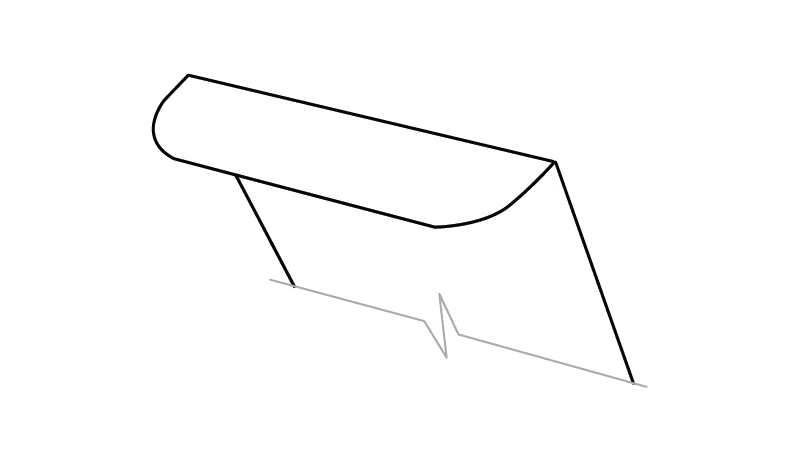
A Straight Tuck End (STE) carton has top and bottom tuck flaps that fold and close in the same direction. Both flaps typically extend from the same main panel and tuck into the opposite side of the carton.
This arrangement can create a clean front-facing panel because the tuck edges sit toward the back when the carton faces the customer. The structure works particularly well when brands want an uninterrupted display area for product information, logos or graphics.
Main advantages
- Clean front appearance: The front panel can present a more continuous surface without visible tuck edges.
- Easy opening: Customers can open and close the carton through simple tuck flaps.
- Flexible presentation: Brands can add printed graphics, windows, product information or hang tabs.
- Suitable for retail displays: The clean front can work well on shelves and display racks.
Best applications
Straight tuck end cartons commonly suit cosmetics, skincare, perfume, small electronics accessories, pharmaceutical products and other lightweight retail goods.
For example, a cosmetic carton may need a clear front panel to display its product name and branding. A straight tuck structure can keep the main design area visually clean while providing convenient access at both ends.
What should buyers consider?
Because both tuck flaps extend from the same panel, the flat carton layout may leave more unused space between blanks than a reverse tuck design. This can affect paperboard yield and material cost.
However, the actual difference depends on carton dimensions, die-line layout, sheet size and production constraints. Ask your supplier to compare the proposed layouts before choosing a structure based on appearance alone.
Reverse Tuck End – Material Savings
A Reverse Tuck End (RTE) carton has top and bottom tuck flaps that close in opposite directions. One flap folds toward the front, while the other folds toward the back.
This arrangement allows manufacturers to position carton blanks more efficiently on a paperboard sheet in many designs. The opposite tuck directions can help the flaps nest together, reduce unused space and improve material utilization.
Main advantages
1. More efficient material layout
The reverse arrangement often helps manufacturers fit more carton blanks into a production sheet. Better sheet utilization can reduce paperboard consumption per box.
2. Convenient opening and closing
Customers can open either end independently. This structure suits products that need regular access without a complicated closure.
3. Versatile retail applications
Reverse tuck cartons work well for a wide range of lightweight products, including personal care items, small accessories, food products and consumer goods.
4. Suitable for different packing methods
Manufacturers can design reverse tuck cartons for manual packing or compatible automated cartoning lines. The final design must match the equipment and folding sequence.
What should buyers consider?
Unlike straight tuck end cartons, a reverse tuck carton may show a tuck edge or closure line on the main display panel, depending on the orientation and die-line design.
This does not necessarily affect function, but it can influence the appearance of a premium retail package. Designers should also check whether the closure interferes with important artwork, barcodes or product information.
Reverse tuck end works especially well when material efficiency and practical retail packaging matter more than an uninterrupted front panel.
Auto-Lock / Crash Lock Bottom
An auto-lock bottom carton uses a specially designed base that folds into position when the operator opens the flat carton. Manufacturers typically pre-glue part of the bottom structure during production. The user can then erect the carton and allow the base panels to lock into place.
The terms auto-lock bottom, auto-bottom and crash-lock bottom commonly describe this type of construction.
Why choose an auto-lock bottom carton?
Faster assembly
Workers do not need to fold every bottom flap individually. They open the flat carton, and the pre-glued base forms its locking structure.
More secure base construction
The interlocking bottom panels distribute support across the base. This design can offer better bottom security than a standard tuck-end closure when the product places greater demands on the carton.
Useful for heavier products
Brands often consider crash lock box structures for products such as glass containers, jars, bottles and larger retail items. The actual load capacity still depends on board grade, carton dimensions, glue quality and bottom design.
Suitable for repetitive packing
Businesses that pack many identical cartons may benefit from the faster setup process, especially when workers need to assemble boxes quickly.
Points to consider
An auto-lock structure usually requires additional converting and gluing work. This can increase manufacturing complexity and unit cost compared with a basic tuck-end carton.
The pre-glued bottom also means the carton design must account for storage, shipping and erection requirements. Before mass production, ask the supplier to provide a sample and test the base with the actual product weight.
An auto-lock bottom improves the base structure, but it does not automatically make a folding carton suitable for every heavy product. A fragile glass bottle may still need an insert, while a tall product may require additional structural support.
Snap Lock & Seal End
Snap-lock and seal-end cartons both provide secure closures, but they use different assembly methods. Buyers should not treat these structures as interchangeable.
Snap-lock bottom (1-2-3 bottom)
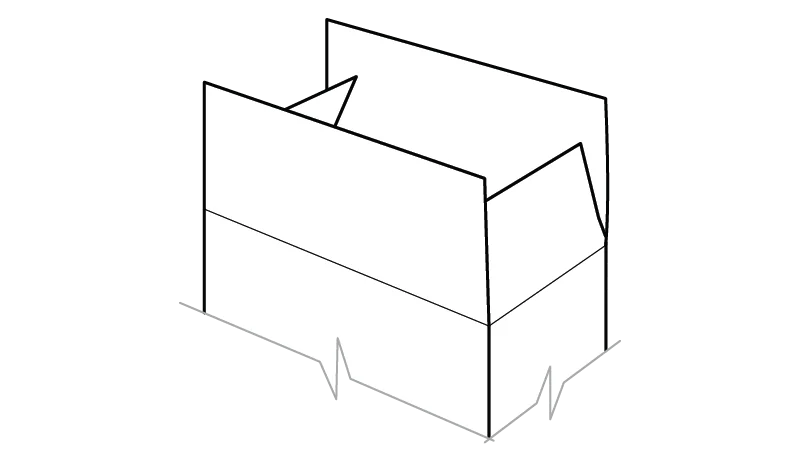
A snap-lock carton uses interlocking bottom flaps that workers fold together in a specific sequence. The flaps lock into position without requiring a pre-glued base.
The term “1-2-3 bottom” describes the sequence of folding the panels into place.
Advantages:
- Provides a more secure base than a simple tuck closure in many applications.
- Does not require the same pre-glued construction as an auto-lock bottom.
- Offers a practical option for products with moderate or higher weight demands.
- Allows flat storage before assembly.
Limitations:
Workers need to assemble the bottom manually, which takes more time than opening a pre-glued auto-lock carton. Incorrect folding can also prevent the panels from locking securely.
Snap-lock cartons may suit heavier cosmetics, glass containers, small household products and other retail items when the packing process allows manual assembly.
Seal-end carton
A seal-end carton closes through adhesive rather than a reusable tuck flap. During production or filling, the operator or packaging machine folds the end panels and applies adhesive to seal the carton.
Many seal-end designs support high-volume packing lines because the equipment can form, fill and close cartons in a controlled sequence.
Advantages:
- Provides a secure sealed closure.
- Works well with compatible automated filling equipment.
- Supports repetitive, high-volume production.
- Can create a neat finished appearance at the carton ends.
Limitations:
A sealed end does not offer the same convenient reopening and reclosing function as a tuck-end structure. The design also needs to match the filling machine, adhesive application and packing sequence.
Seal-end cartons suit products that need a closed package during distribution, especially in production environments where automated filling improves consistency and speed.
Comparison Table
The following table summarizes the key differences between the main folding carton styles.
| Comparison factor | Straight Tuck End | Reverse Tuck End | Auto-Lock / Crash Lock | Snap-Lock Bottom | Seal-End |
|---|---|---|---|---|---|
| Bottom structure | Tuck flaps | Tuck flaps | Pre-glued interlocking panels | Manually interlocking panels | Adhesive-sealed flaps |
| Top closure | Tuck flap | Tuck flap | Usually tuck flap | Usually tuck flap | Adhesive-sealed or machine-closed |
| Assembly | Simple | Simple | Fast erection | Manual folding sequence | Usually integrated with filling process |
| Front appearance | Often cleaner | May show a tuck edge | Depends on top closure | Depends on top closure | Clean sealed ends |
| Material utilization | Can be less efficient in some layouts | Often more efficient | Depends on die-line and base design | Depends on die-line | Depends on carton design |
| Bottom security | Suitable for light products | Suitable for light products | Stronger base design for suitable applications | Secure when correctly assembled | Secure sealed closure |
| Typical applications | Cosmetics, perfume, retail | General retail cartons | Bottles, jars, heavier products | Medium-to-heavier products | High-volume packaged goods |
No structure guarantees better performance in every project. Paperboard grade, caliper, carton dimensions, die-line design and production quality all influence the finished package.
Decision Guide by Product Weight
Product weight provides a useful starting point, but it should not determine the carton structure on its own. A compact carton holding a dense glass item creates different demands from a large carton containing a lightweight product.
Use the following guide as an initial selection reference.
Lightweight products
Recommended options: Straight Tuck End or Reverse Tuck End
These structures suit products such as:
- Lip balm and small skincare products.
- Soap and small personal care items.
- Lightweight accessories.
- Small electronic components.
- Packaged food and confectionery.
Choose straight tuck end when the front panel needs a cleaner appearance. Choose reverse tuck end when material efficiency and a practical closure matter more.
Medium-weight products
Recommended options: Reverse Tuck End or Snap-Lock Bottom
For products with greater weight or a less stable shape, consider a more secure bottom structure.
Typical applications include selected cosmetic bottles, small jars, personal care sets and retail products with multiple components.
Check the box dimensions, board stiffness and bottom closure together. A larger carton may need a stronger structure even when its contents do not weigh much.
Heavier products
Recommended option: Auto-Lock / Crash-Lock Bottom
For heavier items such as glass bottles, jars or compact household products, an auto-lock bottom may offer a more convenient and secure base.
A snap-lock bottom can also work when manual assembly fits the packing process. For high-volume production, compare the setup speed and total assembly cost of both options.
Products packed on automated lines
Consider Reverse Tuck End or Seal-End
The carton must match the equipment’s forming, filling and closing sequence. A structure that works well for manual packing may not perform correctly on an automated line.
Before approving the die-line, share the machine specifications and packing process with the folding carton manufacturer. A production sample or line trial can help identify feeding, opening, folding and sealing problems.
FAQ
1. What are the most common folding carton styles?
Common folding carton styles include straight tuck end, reverse tuck end, auto-lock bottom, snap-lock bottom and seal-end cartons. Each structure offers different advantages in appearance, assembly, material usage and closure security.
2. What is the difference between straight tuck end and reverse tuck end?
Straight tuck end cartons have top and bottom flaps that fold in the same direction. Reverse tuck end cartons have flaps that fold in opposite directions. Straight tuck often creates a cleaner front-facing panel, while reverse tuck can improve paperboard sheet utilization.
3. Is a reverse tuck carton cheaper than a straight tuck carton?
It can be, because its flap arrangement often allows more efficient carton nesting on a paperboard sheet. However, actual pricing depends on dimensions, material grade, sheet layout, printing, finishing and order quantity. Ask the supplier to compare both die-lines.
4. What is an auto-lock bottom carton?
An auto-lock bottom carton has a pre-glued base that forms its locking structure when the operator opens the flat carton. It speeds up assembly and provides a more secure base design than a basic tuck-end closure in suitable applications.
5. Is a crash lock box suitable for glass bottles?
It can be suitable for glass bottles when the manufacturer selects an appropriate board grade, bottom structure and internal support. Test the carton with the actual filled bottle before production. The box may also need a fitted insert to reduce movement.
6. What is the difference between snap-lock and auto-lock bottoms?
A snap-lock bottom requires workers to fold several interlocking panels together manually. An auto-lock bottom uses a pre-glued structure that forms when the worker opens the carton. Snap-lock requires more assembly time, while auto-lock offers faster erection.
7. When should I choose a seal-end carton?
Choose a seal-end carton when the product needs a closed package and your filling process supports adhesive sealing. This structure often suits high-volume production and compatible automated cartoning lines, but it does not offer convenient consumer reclosure.