
Table of contents
- Cosmetic Packaging Does More Than Protect the Product
- Start With the Product, Not the Box
- Choosing the Right Box Structure
- Material Selection Matters More Than Most Brands Realize
- Sustainability Is No Longer Optional
- Packaging Finishes That Add Value
- Balancing Cost and Brand Impact
- Choosing a Packaging Partner
- FAQ
Walk into any beauty store and you’ll notice something interesting before you even read a product label.
Some products immediately feel premium. Others appear inexpensive, even if the formula inside is excellent.
In many cases, the difference comes down to packaging.
After working in the packaging industry for decades, I’ve seen countless cosmetic brands invest heavily in product development while treating packaging as an afterthought. Unfortunately, consumers don’t experience products in that order. They see the package first.
For skincare, makeup, and fragrance brands, packaging is often the first opportunity to communicate quality, build trust, and justify pricing. The challenge is that there is no single packaging solution that works for every cosmetic product.
A lightweight facial serum, a luxury perfume, and a holiday gift set all have completely different packaging requirements.
Understanding those differences is the first step toward making a smart packaging decision.
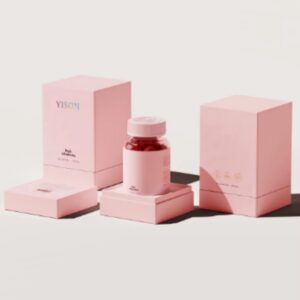
Cosmetic Packaging Does More Than Protect the Product
Years ago, cosmetic packaging was primarily designed for transportation and shelf display. Today, its role is much broader.
Packaging helps consumers answer important questions before they ever try the product:
- Is this brand premium or budget-friendly?
- Does the product feel trustworthy?
- Is it environmentally responsible?
- Is it worth the asking price?
According to consumer research published by the Paper and Packaging Board, packaging continues to influence purchasing decisions across multiple retail categories. In cosmetics, where appearance and brand perception play a major role, packaging can directly affect sales performance.
This is particularly true in online retail.
When consumers cannot touch or test a product before buying, packaging often becomes one of the strongest indicators of quality.
Start With the Product, Not the Box
One of the most common mistakes new beauty brands make is choosing a packaging style before evaluating the product itself.
A beautiful box is useless if it doesn’t properly protect what’s inside.
Before selecting any packaging structure, consider three questions:
How Fragile Is the Product?
A glass perfume bottle requires very different protection than a lightweight lipstick.
In our experience, many damaged products are not caused by weak outer packaging but by insufficient internal support. A well-designed paper insert can often prevent breakage more effectively than simply choosing a thicker box.
How Will the Product Be Sold?
Products displayed in retail stores have different priorities than products shipped directly to consumers.
Retail packaging often focuses on shelf appeal and branding.
E-commerce packaging must also withstand transportation, handling, and last-mile delivery conditions.
What Price Position Does the Product Occupy?
Imagine a luxury fragrance selling for $150.
If it arrives inside a thin carton with minimal finishing, consumers may question the value of the product.
Now imagine the same fragrance presented in a rigid box with a custom insert, soft-touch finish, and foil-stamped logo.
The product hasn’t changed, but the perceived value certainly has.
Choosing the Right Box Structure
Different cosmetic products benefit from different packaging formats.
The goal isn’t to choose the most expensive option. It’s to choose the most appropriate one.
Folding Cartons
Folding cartons remain the most widely used format in the cosmetics industry.
They offer an excellent balance between cost, print quality, and functionality.
You’ll commonly find folding cartons used for:
- Skincare products
- Makeup products
- Essential oils
- Personal care items
Because they ship flat before assembly, folding cartons also help reduce storage and freight costs.
For emerging brands and high-volume product lines, they are often the most practical solution.
Rigid Boxes
Rigid boxes occupy a completely different position in the market.
These boxes are commonly used for:
- Luxury skincare
- Premium fragrances
- Beauty gift sets
- Limited-edition collections
What makes rigid boxes effective is not simply their strength.
They create an experience.
Many luxury brands understand that customers are paying for more than a product. They are paying for how that product makes them feel.
Rigid packaging helps communicate that message before the product is even opened.
Magnetic Closure Boxes
Among premium cosmetic packaging formats, magnetic closure boxes continue to grow in popularity.
The reason is simple.
They combine protection with presentation.
The smooth opening action creates a memorable unboxing experience, making them especially suitable for influencer kits, seasonal promotions, and premium gift collections.
Drawer Boxes
Drawer boxes provide a different type of customer interaction.
Instead of lifting a lid, consumers slide out an inner tray.
This small action creates a sense of anticipation and discovery that many beauty brands find valuable.
For subscription products and premium skincare kits, drawer boxes can significantly enhance the customer experience.
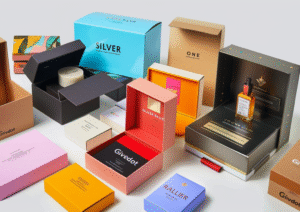
Material Selection Matters More Than Most Brands Realize
The material used to manufacture a cosmetic box affects much more than cost.
It influences print quality, sustainability performance, durability, and overall brand perception.
SBS Paperboard
SBS paperboard remains one of the most popular materials in cosmetic packaging.
Its smooth surface allows vibrant colors and sharp graphics, making it ideal for products that rely heavily on visual branding.
Kraft Paper
Kraft paper has become increasingly popular as sustainability concerns continue to influence consumer behavior.
Many natural skincare and organic beauty brands choose kraft packaging because it immediately communicates an environmentally conscious image.
Greyboard
Greyboard forms the structural core of most rigid boxes.
Without it, luxury cosmetic packaging simply wouldn’t have the same strength or premium feel.
Specialty Papers
Luxury brands often invest in specialty papers to create distinctive textures and finishes.
Linen paper, pearl paper, and soft-touch papers are commonly used to create a more sophisticated customer experience.
Sustainability Is No Longer Optional
Five years ago, sustainable packaging was often viewed as a marketing advantage.
Today, it’s becoming a market expectation.
The Forest Stewardship Council (FSC) continues to report growing demand for responsibly sourced paper materials as brands and consumers place greater emphasis on environmental responsibility.
What we’re seeing in the cosmetic industry is a gradual shift toward:
- FSC-certified paperboard
- Recyclable box structures
- Paper-based inserts
- Reduced material consumption
Importantly, sustainable packaging doesn’t necessarily mean sacrificing appearance.
Many premium cosmetic brands now successfully combine luxury presentation with environmentally responsible materials.
Packaging Finishes That Add Value
One question we frequently hear from beauty brands is:
“Which finishing process should we choose?”
The answer depends on the brand story you’re trying to tell.
Foil stamping remains popular for luxury skincare and fragrance packaging because it creates visual contrast and highlights logos.
Embossing and debossing add texture, allowing customers to physically interact with the packaging.
Soft-touch lamination creates a smooth, velvet-like surface that feels premium in hand.
The key is restraint.
Some of the most successful cosmetic packaging designs use only one or two finishing techniques rather than every option available.
Balancing Cost and Brand Impact
Many businesses assume better packaging always means spending more money.
That isn’t necessarily true.
In practice, the most successful cosmetic packaging projects usually focus on efficiency rather than excess.
A carefully designed folding carton may outperform an expensive rigid box if it better aligns with the product, target audience, and pricing strategy.
The goal should never be to create the most elaborate package.
The goal is to create packaging that supports the product and strengthens the brand.
Choosing a Packaging Partner
The right packaging supplier should do more than manufacture boxes.
They should help identify potential problems, suggest cost-saving opportunities, and recommend structures that fit both the product and the market.
At Hongjia Packaging Technology (Shenzhen) Co., Ltd., we work with cosmetic brands worldwide to develop packaging solutions that combine product protection, visual appeal, and production efficiency.
Our capabilities include:
- Cosmetic boxes
- Perfume boxes
- Skincare packaging
- Rigid boxes
- Magnetic gift boxes
- Folding cartons
- Luxury gift packaging
Whether you’re launching a new beauty product or upgrading an existing packaging design, our team can help turn ideas into practical packaging solutions.
For inquiries, contact:
The best cosmetic packaging is rarely the most expensive or the most complicated. It’s the packaging that protects the product, supports the brand story, and creates a positive experience from the moment a customer sees it until the moment they open it.
FAQ
The best packaging depends on the product type, target market, and brand positioning. Folding cartons are ideal for many retail products, while rigid boxes are commonly used for luxury cosmetics and gift sets.
SBS paperboard, kraft paper, greyboard, and specialty papers are among the most widely used materials in cosmetic packaging.
Not necessarily. Many recyclable paper-based materials are competitively priced, particularly for medium and large production runs.
Perfume packaging often uses rigid boxes with paper inserts to provide both protection and a premium presentation.
Packaging plays a significant role in brand recognition, perceived value, customer experience, and purchasing decisions.
Foil stamping, embossing, debossing, spot UV, and soft-touch lamination are commonly used to enhance luxury packaging.
Most custom cosmetic packaging projects require approximately 10–25 working days after artwork approval.