
Table of contents
- What Is Luxury Packaging?
- Why Luxury Packaging Influences Consumer Perception
- Materials Used in Luxury Packaging
- Luxury Packaging Finishes That Define Premium Quality
- Popular Luxury Packaging Box Styles
- Luxury Packaging Applications Across Industries
- How Luxury Packaging Supports Brand Growth
- Luxury Packaging Trends for 2026
- Working with a Luxury Packaging Manufacturer
- FAQ
Luxury packaging is often misunderstood as simply “expensive packaging.” In reality, it is not defined by cost, but by how effectively it communicates brand value, product positioning, and customer experience.
In the packaging industry, we often say:
A product is first judged by its packaging before it is ever tested or used.
For example, the same 50ml fragrance can be perceived as a $30 product or a $300 luxury item depending entirely on how it is packaged and presented.
This is why luxury packaging has become a critical part of branding strategy across cosmetics, jewelry, fragrance, wine, and premium gift industries.
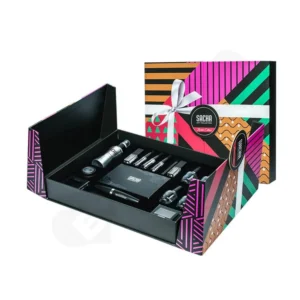
What Is Luxury Packaging?
Luxury packaging refers to packaging solutions designed to enhance perceived product value through structure, material selection, finishing techniques, and user experience.
Unlike standard packaging, luxury packaging focuses on emotional impact rather than basic product protection alone.
In simple terms:
Luxury packaging is not just what protects the product, but what defines how the product is perceived.
Why Luxury Packaging Influences Consumer Perception
In our experience working with premium brands, packaging is often the deciding factor between “interest” and “purchase.”
Consumers rarely evaluate technical specifications first. Instead, they respond to visual and tactile cues.
For example:
A skincare cream placed in a basic folding carton may be seen as a standard product.
The same product in a rigid box with soft-touch lamination and foil stamping immediately feels more premium.
This psychological shift is one of the most powerful tools in packaging design.
According to research from the Paper and Packaging Board, packaging plays a direct role in shaping purchase decisions, particularly in visually driven categories like cosmetics and personal care.
Materials Used in Luxury Packaging
Luxury packaging relies heavily on material selection, as this directly impacts both appearance and structural quality.
Greyboard
Greyboard is the foundation of most rigid luxury boxes.
It provides structure, durability, and a strong premium feel.
Without greyboard, most high-end gift boxes would lose their rigidity and luxury identity.
Specialty Paper
Specialty paper is widely used to elevate surface texture and visual appeal.
Common options include:
- Soft-touch paper
- Linen-textured paper
- Pearl paper
- Leather-feel paper
These materials are often selected by brands that want to differentiate themselves on retail shelves.
FSC-Certified Paper
Sustainability has become a major requirement in luxury packaging.
FSC-certified materials allow brands to maintain a premium image while meeting environmental expectations.
We have seen a steady increase in requests for FSC-certified luxury packaging, especially from European and North American markets.
Luxury Packaging Finishes That Define Premium Quality
Finishing is where luxury packaging truly becomes distinctive.
However, one common mistake many brands make is overusing too many effects.
In practice, the most effective luxury packaging usually uses only two or three finishing techniques.
Foil Stamping
Used to highlight logos and brand elements, especially in gold, silver, or holographic effects.
Embossing and Debossing
These techniques create a physical depth that customers can feel, not just see.
Spot UV
Spot UV adds contrast between matte and glossy surfaces, helping key design elements stand out.
Soft-Touch Lamination
This creates a smooth, velvet-like surface that significantly improves tactile experience.
From a manufacturing perspective, soft-touch finishes are one of the most requested upgrades in luxury cosmetic packaging.
Popular Luxury Packaging Box Styles
Different box structures communicate different brand values.
Rigid Boxes
Rigid boxes are the most widely used structure in luxury packaging.
They are commonly used for:
- Cosmetics
- Perfume
- Jewelry
- Gift sets
Their strength lies in presentation rather than transportation efficiency.
Magnetic Gift Boxes
Magnetic closure boxes create a smooth opening experience that immediately feels premium.
Many brands use them for corporate gifts and high-end promotional sets because they combine convenience with luxury perception.
Drawer Boxes
Drawer-style packaging introduces an element of interaction.
Instead of simply opening a lid, customers slide out the product, creating a more engaging unboxing experience.
Shoulder Neck Boxes
These boxes are commonly seen in luxury cosmetics and perfume packaging.
The structural “step” between lid and base visually reinforces a sense of craftsmanship and precision.
Luxury Packaging Applications Across Industries
Luxury packaging is not limited to one sector. It is widely used across multiple industries where perception directly impacts pricing.
Cosmetics
Luxury skincare relies heavily on packaging to communicate effectiveness and trust.
Perfume
Perfume packaging is one of the strongest examples of emotional branding through packaging.
Jewelry
Jewelry packaging focuses on protection and presentation equally.
Wine and Spirits
In this category, packaging often plays a role in gifting and premium positioning.
Gourmet Products
High-end food brands use luxury packaging to justify premium pricing.
How Luxury Packaging Supports Brand Growth
Luxury packaging is not just design—it is a commercial tool.
It helps brands achieve:
- Higher perceived product value
- Stronger brand recognition
- Increased customer loyalty
- Better unboxing experience for social media sharing
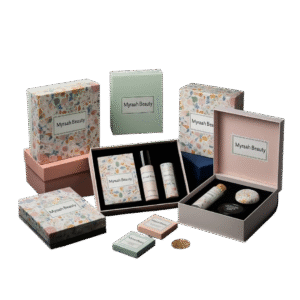
In many cases, packaging allows brands to move from mid-range pricing to premium positioning without changing the product itself.
Luxury Packaging Trends for 2026
The luxury packaging industry is evolving rapidly.
Sustainable Luxury Packaging
More brands are moving toward recyclable and FSC-certified materials while maintaining premium aesthetics.
Minimalist Design
Simple, clean designs are becoming more popular than overly decorative packaging.
Paper-Based Inserts
Foam inserts are increasingly being replaced by molded or folded paper solutions.
Smart Packaging
QR codes and digital integration are being used to connect physical packaging with online experiences.
Working with a Luxury Packaging Manufacturer
Choosing the right packaging supplier is critical for achieving consistent quality and cost efficiency.
At Hongjia Packaging Technology (Shenzhen) Co., Ltd., we specialize in luxury packaging solutions for global brands.
Our product range includes:
- Luxury rigid boxes
- Magnetic gift boxes
- Cosmetic packaging
- Jewelry packaging
- Perfume boxes
- Folding cartons
We support OEM and ODM development to help brands turn design concepts into manufacturable packaging solutions.
For inquiries, contact:
In luxury packaging, the difference between ordinary and exceptional is not always visible at first glance—but it is always felt by the customer.
FAQ
Luxury packaging is defined by materials, structure, finishing, and user experience that enhance perceived product value.
Common materials include greyboard, specialty paper, and FSC-certified paper.
Yes, rigid boxes are one of the most common luxury packaging structures.
Many brands now use FSC-certified and recyclable materials to combine sustainability with luxury design.
Cosmetics, perfume, jewelry, wine, and premium food industries frequently use luxury packaging.
Yes, it improves perceived value, brand positioning, and customer experience, which can positively impact sales.
Foil stamping, embossing, spot UV, and soft-touch lamination are widely used.