
Table of contents
Surface finishes for luxury cosmetic packaging turn a plain paperboard box into a premium, tactile object. They include foil stamping, embossing, debossing, spot UV, and soft-touch lamination. These finishes serve two core functions. They lift brand feel and shelf presence. They also help custom cosmetic boxes match a high-end positioning at a controlled cost. Whether you order lipstick cartons, serum sets, or fragrance kits, choosing the right cosmetic packaging boxes lets the finish carry the first impression.
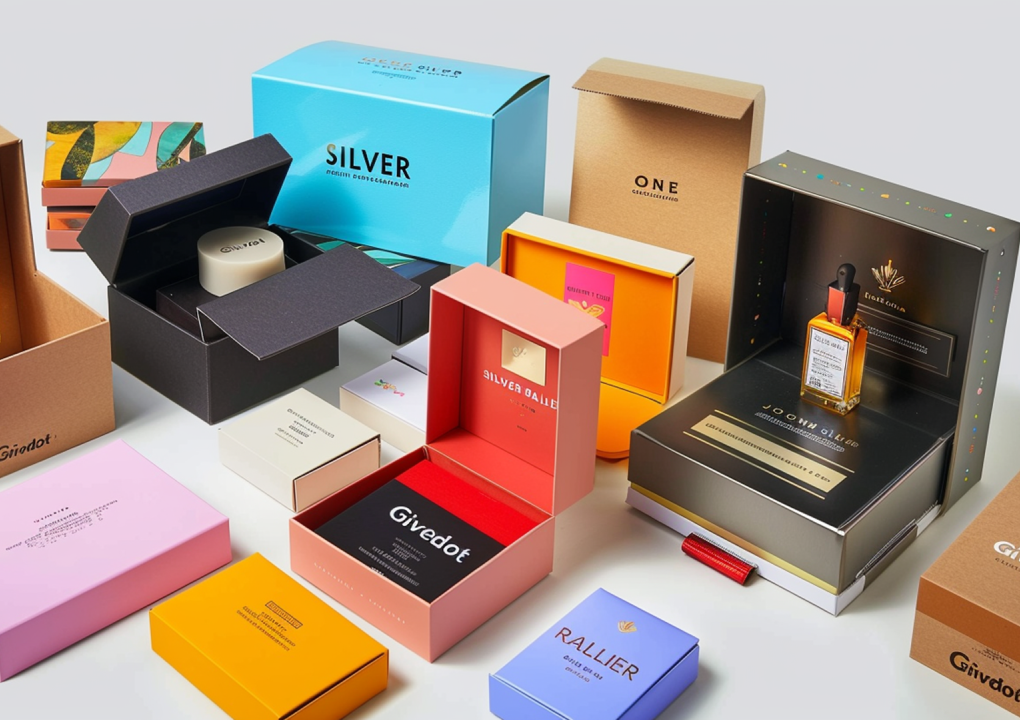
Why Surface Finishes Define the Luxury Feel
The luxury feel does not come from the paperboard alone. It comes from surface treatment. The same board can feel completely different after different finishes.
From Paperboard to Touch
In practice, a customer forms a judgment within seconds of picking up the package. Touch, gloss, and embossed detail create the luxury feel. A plain carton can still look flat, even with beautiful print.
One mistake we often see is a brand spending heavily on print while ignoring surface finish. The product then looks similar to competitors on the shelf. Surface finish is the step that turns print into experience.
How Premium Brands Make Trade-Offs
Premium brands rarely stack every finish. They choose one or two core finishes to strengthen the main brand message. The rest stays restrained. Less and precise feels more premium than more and busy.
This trade-off also affects cost. Focusing budget on the logo and key visuals usually returns more than spreading it across the whole box.
Four Core Surface Finishes
Luxury cosmetic packaging uses a short list of finishes, but each one sends a different feel. Choosing the right one is the first step in aligning custom cosmetic boxes with a premium position.
Foil Stamping
Foil stamping is the most direct luxury signal. A metallic foil is heat-pressed onto the board to create a metal shine for logos, borders, and product names. Gold and silver are common, but matte gold and rose gold add variety.
When we make cosmetic boxes, we usually apply foil only to the main brand name, not a large area. Local foil stamping looks more refined than full-panel foil, and it is easier to control cost.
Embossing and Debossing
Embossing and debossing create a raised or recessed relief through a die. The embossing lifts the surface. Debossing presses it down. Both add touch and depth, and they combine well with foil stamping.
The relief is harder to see in a photo than foil, but the hand feel is very different. Premium buyers often value that tactile feedback.
Soft-Touch Lamination
Soft-touch lamination adds a fine matte, velvety feel to the carton. It suits creams, serums, and high-end gift sets. It usually pairs with spot UV to create a contrast between matte and gloss.
One drawback is fingerprints. Light surfaces show them clearly. When we choose soft-touch lamination, we remind brands to think about real usage.
Spot UV
Spot UV creates a high-gloss coating on a chosen area, contrasting with the matte surface around it. It highlights a logo, product name, or pattern detail. Spot UV costs less than foil stamping but still adds clear visual depth.
Spot UV and soft-touch lamination are a common pair: a large matte base with a glossy logo detail.
| Finish | Feel Signal | Relative Cost | Best Position |
|---|---|---|---|
| Foil stamping | Metallic, premium | Medium-high | Logo, border |
| Embossing / debossing | Raised touch | Medium | Brand name, pattern |
| Soft-touch lamination | Velvet matte | Medium | Large surface |
| Spot UV | High-gloss contrast | Low-medium | Logo, detail |

How to Combine Finishes
More finishes do not mean better packaging. A good combination keeps the message clear. A bad one makes the box look busy.
Focus on One Finish
For a limited budget, one finish is safest. A full soft-touch lamination plus a spot UV logo already gives enough luxury feel. One finish also samples faster and creates fewer errors.
When we advise new brands, we usually start them with one or two finishes, not four or five at once.
Prioritize the Combination
If the budget allows, prioritize “touch plus highlight.” Soft-touch lamination carries the overall feel. Foil stamping or spot UV carries the visual focus. Embossing can layer on the focus area, but it does not need to cover the box.
The key is a clear hierarchy. The main message gets the strongest finish. Secondary information stays quiet, so elements do not compete.
Cost and Volume Strategy
Finish costs move with finish type, coverage area, and volume. Understanding the structure helps you put budget where customers feel it most.
Controlling the Premium at Small Volume
Small-volume brands fear tooling and setup premiums. Foil stamping and embossing need dies, while soft-touch lamination and spot UV need setup cost to spread. One practical move is to keep the finish on the logo and key areas only.
At small volume, we suggest a standard box with local finishes instead of complex tooling. Upgrade after volume stabilizes.
Spreading Finish Cost at Large Volume
At large volume, tooling and setup costs spread across many boxes. A brand can afford full soft-touch lamination or full-panel foil. A direct annual agreement with a cosmetic packaging supplier can also push unit finish cost down.
More importantly, a large change should roll out in phases. Pilot one series first, confirm feedback and line fit, then expand.
Supplier Selection Points
Finish quality varies clearly between suppliers. Do not choose from a sample book alone. Look at real production samples and batch consistency.
Check Production Samples, Not Sample Books
Sample-book images are often hand-picked and do not reflect batch output. We suggest asking the supplier for a production sample that matches the final process. A production sample reveals setup, color, and registration issues.
One good production sample is worth more than ten sample-book pages. It shows the real finished box before ordering.
How to Screen a Cosmetic Packaging Supplier
Beyond price, screen a cosmetic packaging supplier on process ability, machine stability, and sampling speed. Foil registration, soft-touch feel, and embossing depth all need on-site confirmation.
A reliable supplier states its limits instead of promising everything. Clear communication about limits shows real process understanding.
FAQ
Foil stamping and soft-touch lamination are the most common. Foil stamping gives metallic shine and a premium signal. Soft-touch lamination gives a velvet feel. They often pair with spot UV for a matte-and-gloss contrast. The choice depends on brand position and budget.
Not under normal use. Foil stamping bonds through heat and pressure, and adhesion depends on board surface, temperature, and pressure. A supplier should run an adhesion test. Stable foil and the right surface treatment prevent batch issues.
Yes. The velvety matte surface can show fingerprints on dark or light boxes. When we choose soft-touch lamination, we remind brands to think about real usage. If fingerprints are a problem, use it locally or choose an anti-fingerprint coating.
Embossing works best on brand names, logos, and emphasized patterns. It adds a raised feel and pairs well with foil stamping. Embossing is not ideal for very fine text, because die precision and board spring-back limit detail.
It depends on finish type and coverage. Spot UV costs less, foil stamping and embossing need dies, and soft-touch lamination costs more over large areas. At small volume, keep finishes on key areas. At large volume, unit cost spreads.
Look at production samples, process ability, machine stability, and sampling speed. Do not rely only on sample books and price. Ask for a production sample that matches the final process to catch color, registration, and feel issues early.
Possibly. More finishes do not mean better. A clear hierarchy matters more. Emphasize the main brand message with one or two finishes and keep the rest clean. Too much layering makes packaging look cheap.